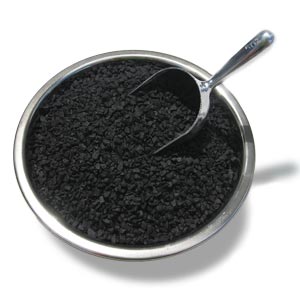
Introduction: The Nano-Revolution in Material Science
In the relentless pursuit of materials that are stronger, lighter, and more durable, a new frontier has emerged: nanotechnology. At the forefront of this revolution are nano carbides, a class of materials poised to redefine performance standards across Indian industries. From the aerospace sector's demand for high-temperature resilience to the electronics industry's need for advanced thermal management, nano carbide surface engineering offers solutions that were once the stuff of science fiction.
But what exactly are nano carbides? Imagine taking a conventional ceramic carbide, known for its hardness, and shrinking its crystalline structure down to the nanometer scale. This process of nano carbide functionalization dramatically enhances its intrinsic properties. The result is a material that isn't just hard, but also exceptionally resistant to wear, corrosion, and extreme temperatures. When applied as a coating, this technology—often through sophisticated nano carbide film deposition techniques—imparts these superior qualities to ordinary materials, transforming them into high-performance components. For India's burgeoning R&D landscape and its ambitious 'Make in India' initiative, understanding and harnessing the power of nano carbide coatings is not just an opportunity; it's a strategic imperative.
Why Indian Researchers are Turning to Nano Carbide Surface Treatment
The buzz around nano carbides isn't just hype. For researchers and engineers in India, these advanced materials offer a tangible competitive edge. The unique advantages of applying a nano carbide coating are numerous, providing solutions to long-standing industrial challenges:
- Unprecedented Hardness and Wear Resistance: Nano carbide coatings exhibit hardness values that can exceed those of conventional materials by several orders of magnitude. This translates to longer-lasting cutting tools, more durable engine components, and wear-resistant surfaces for any application facing friction and abrasion.
- Superior High-Temperature Stability: Materials like Silicon Carbide (SiC) and Zirconium Carbide (ZrC) maintain their structural integrity at extreme temperatures, making them indispensable for aerospace, defence, and energy applications where components are exposed to intense heat.
- Enhanced Corrosion Resistance: A key benefit of nano carbides surface modification techniques is the creation of a dense, inert barrier. This protective layer shields substrates from corrosive environments, extending the lifespan of parts used in chemical processing, marine, and automotive industries.
- Tailorable Electrical and Thermal Properties: Nano carbide functionalization allows for the fine-tuning of electrical conductivity and thermal dissipation. This is particularly crucial in the electronics sector, where nano carbides are being explored for next-generation semiconductors and efficient heat sinks.
- Improved Biocompatibility: Certain nano carbides are biocompatible, opening up exciting possibilities in the medical field. As coatings for surgical implants and tools, they can reduce wear and improve the longevity of medical devices, enhancing patient outcomes.
Industrial Applications: Where Nano Carbides Make a Difference
The theoretical benefits of nano carbide research translate into practical, high-impact applications across India's key industrial sectors.
Aerospace & Defence
Nano carbide coatings are applied to turbine blades, engine nozzles, and structural components to protect them from extreme heat and oxidative stress, enhancing flight safety and engine efficiency.
Automotive Manufacturing
From coating engine pistons and cylinders to creating ultra-hard cutting tools for manufacturing lines, nano carbides improve vehicle performance, fuel efficiency, and production speed.
Electronics & Semiconductors
With excellent thermal conductivity, nano carbides in electronics serve as superior heat sinks. Their unique semiconductor properties are also being harnessed for high-power, high-frequency electronic devices.
Medical Technology
Biocompatible nano carbide coatings on surgical implants like hip and knee joints drastically reduce wear and tear, increasing their lifespan and preventing adverse reactions within the body.
Opportunities and Trends in the Indian Nano Carbides Market
The nano carbides market in India is on a steep growth trajectory. Propelled by government support for advanced manufacturing and a vibrant academic research ecosystem, the demand for high-performance materials is surging. Key trends indicate a shift from theoretical research to industrial-scale implementation. The synthesis of nano carbides is becoming more sophisticated, with Indian institutions pioneering cost-effective and scalable production methods.
For professionals and researchers, this presents a golden opportunity. There is a growing need for materials scientists and engineers skilled in nano carbides surface modification techniques. Companies are actively seeking experts who can integrate these advanced coatings into existing production lines. Furthermore, the availability of high-quality raw materials is crucial. Reputable nano carbides manufacturers and suppliers in India, like Hiyka, are playing a pivotal role by providing access to consistent, high-purity nano carbide powders, thereby fueling innovation and enabling industries to compete on a global scale. The future of Indian manufacturing is intrinsically linked to its ability to adopt and master technologies like nano carbide surface engineering.