An Introduction to Nano Carbide Materials
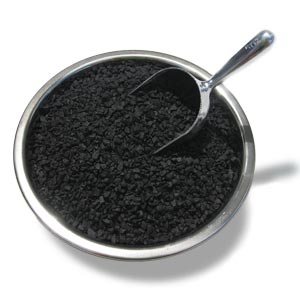
In the relentless pursuit of materials that are stronger, lighter, and more durable, nanotechnology has opened a new frontier. At the forefront of this revolution are high-purity nano carbides—a class of materials poised to redefine industrial capabilities. These are not just incremental improvements; they represent a quantum leap in material science. Comprising compounds of carbon with metals or metalloids, nano carbides like Silicon Carbide (SiC), Boron Carbide (B4C), and Zirconium Carbide (ZrC) possess particle sizes on the nanometer scale, unlocking properties that are simply unattainable with their bulk-sized counterparts.
For India, a nation rapidly ascending as a global hub for manufacturing, research, and development, the adoption of such advanced materials is not just an option but a necessity. The Indian industrial landscape, from automotive to aerospace and electronics to energy, demands materials that can withstand extreme conditions and deliver superior performance. Industrial nano carbides provide the answer, offering a powerful tool to enhance product quality, improve efficiency, and drive innovation. This guide serves as a comprehensive resource for Indian researchers, engineers, and industry leaders looking to understand and leverage the transformative power of nano carbide technology.
Why Researchers are Turning to Nano Carbides
For the scientific community in India, high-purity nano carbide materials offer a fertile ground for groundbreaking research. Their unique properties open up new avenues for experimentation and discovery. Here are the key benefits that make them indispensable:
-
Exceptional Hardness & Wear Resistance
Nano carbides are among the hardest materials known. This makes them ideal for developing next-generation protective coatings and cutting tools that last longer and perform better under mechanical stress.
-
High Thermal & Chemical Stability
Their ability to withstand extreme temperatures and harsh chemical environments allows for research into applications like furnace linings, crucibles for molten metals, and components for chemical reactors.
-
Tunable Electronic Properties
Materials like Silicon Carbide (SiC) are wide-bandgap semiconductors. Their nanoforms are crucial for developing high-power, high-frequency electronic devices that are more efficient than traditional silicon-based components.
-
High Surface Area-to-Volume Ratio
This inherent property of nanoparticles makes nano carbides excellent candidates for catalytic applications, enhancing reaction rates and efficiency in chemical processes.
Transforming Industries: Key Applications of Nano Carbides
Aerospace & Defence
In an industry where every gram matters, nano carbide composites offer superior strength-to-weight ratios. They are used in manufacturing lightweight armor, components for jet engines that operate at high temperatures, and durable coatings for spacecraft to protect against micrometeoroid impacts and thermal stress.
Automotive Manufacturing
The push for more efficient and durable vehicles is driving the adoption of nano carbide coatings for engine parts, brake systems, and bearings. These coatings drastically reduce friction and wear, leading to better fuel economy and longer component lifespan.
Advanced Electronics
Silicon Carbide (SiC) nanopowders are critical for the next generation of power electronics. They are used in creating semiconductors for electric vehicles, renewable energy inverters, and 5G communication systems, enabling devices that are smaller, faster, and more energy-efficient.
Cutting Tools & Abrasives
The exceptional hardness of materials like Boron Carbide and Titanium Carbide makes them perfect for creating high-performance cutting tools, grinding wheels, and industrial abrasives. These tools can machine hardened steels and other tough materials with precision and longevity.
The Indian Advantage: Trends and Opportunities
The landscape for advanced materials in India is buzzing with potential. Government initiatives like 'Make in India' and the Production Linked Incentive (PLI) schemes are creating a fertile environment for high-tech manufacturing. In this context, industrial nano carbides are set to play a pivotal role. The demand for high-performance materials is surging, particularly in the electronics system design and manufacturing (ESDM), automotive, and renewable energy sectors.
Indian research institutions and universities are also ramping up their focus on material science and nanotechnology. This academic push, combined with industrial demand, creates a perfect synergy for innovation in nano carbide synthesis and application. For businesses, this translates into a significant opportunity. Reliable nano carbide suppliers who can provide high-purity, consistent-quality materials are crucial partners for both R&D labs and large-scale industrial producers. Finding high purity nano carbides for sale is becoming easier, enabling companies to integrate these advanced materials into their production lines and gain a competitive edge in the global market.
Frequently Asked Questions
High-purity nano carbides are advanced ceramic materials with particle sizes in the nanometer range (typically under 100 nm). Their high purity and small particle size give them exceptional properties like extreme hardness, high thermal stability, and excellent wear resistance, making them superior to conventional materials.
For India's growing manufacturing, aerospace, and electronics sectors, nano carbides offer a competitive edge. They enable the production of more durable, efficient, and high-performance components, aligning perfectly with initiatives like 'Make in India' and the push for technological self-reliance.
Their main applications include creating wear-resistant coatings for cutting tools and industrial machinery, reinforcing composites in aerospace and automotive parts, developing advanced semiconductors and thermal management solutions in electronics, and serving as catalysts in the chemical industry.
Common synthesis methods include carbothermal reduction, chemical vapor deposition (CVD), plasma synthesis, and sol-gel processes. The chosen method depends on the desired particle size, purity, and specific type of nano carbide being produced.
Companies like Hiyka are leading suppliers of high-purity nano carbide materials in India. They provide a wide range of nano carbides, including Silicon Carbide (SiC), Boron Carbide (B4C), and Zirconium Carbide (ZrC), catering to both research and industrial-scale requirements.