Unveiling the Potential: Nano CaCO3 and Calcium Carbonate Nanoparticles in Indian Research and Industry
Dive into the world of Nano CaCO3 and Calcium Carbonate Nanoparticles, exploring their transformative impact on various sectors and the burgeoning opportunities for Indian researchers and professionals.
Learn MoreIntroduction to Nano CaCO3: A Game-Changer for Indian R&D
In the dynamic landscape of materials science and nanotechnology, Nano CaCO3, or Calcium Carbonate Nanoparticles, stands out as a material of immense promise. Its unique properties, stemming from its nanoscale dimensions, open up a plethora of applications across diverse industries. For Indian researchers and professionals, understanding and harnessing the power of these nanomaterials is not just an academic pursuit but a strategic imperative for technological advancement and economic growth. This blog post delves into the fascinating world of Nano CaCO3, exploring its synthesis, characteristics, and the profound impact it is poised to make in India's burgeoning research and industrial sectors.
The journey of Calcium Carbonate Nanoparticles from laboratory synthesis to industrial application is marked by innovation and a relentless quest for enhanced material performance. Unlike its bulk counterpart, Nano CaCO3 exhibits superior surface area, reactivity, and mechanical properties, making it an ideal candidate for advanced material development. From reinforcing plastics to improving the efficacy of drug delivery systems, the versatility of Nano CaCO3 is truly remarkable. As India continues to strengthen its position in global R&D, focusing on cutting-edge nanomaterial synthesis and application becomes crucial. This article aims to provide a comprehensive overview, tailored for the discerning Indian scientific community, highlighting both the theoretical underpinnings and practical implications of Nano CaCO3.
Unlocking Research Potential: Benefits of Nano Calcium Carbonate for Indian Scientists
- Enhanced Material Properties: Nano CaCO3 significantly improves the mechanical strength, impact resistance, and surface finish of polymers, composites, and coatings, enabling the development of superior products.
- Increased Reactivity and Surface Area: The high surface-to-volume ratio of Calcium Carbonate Nanoparticles leads to increased reactivity, making them excellent catalysts, adsorbents, and carriers in various chemical and biological processes.
- Cost-Effectiveness and Sustainability: As a naturally abundant and relatively inexpensive material, Nano CaCO3 offers a sustainable alternative to more costly additives, reducing production costs while maintaining high performance.
- Versatile Applications: Its adaptability allows for use in a wide array of fields, from advanced plastics and paints to pharmaceuticals and environmental remediation, fostering interdisciplinary research opportunities.
- Novel Drug Delivery Systems: In biomedical research, Nano Calcium Carbonate is being explored for targeted drug delivery, gene therapy, and bioimaging due to its biocompatibility and ability to encapsulate active compounds.
- Environmental Solutions: Its use in water treatment for heavy metal adsorption and CO2 capture technologies presents significant opportunities for addressing pressing environmental challenges in India.
- Advancements in Nanomaterial Synthesis: Research into Nano CaCO3 drives innovation in nanomaterial synthesis techniques, leading to more efficient and scalable production methods for various nanoparticles.
Transforming Industries: Key Applications of Calcium Carbonate Nanoparticles
Plastics and Polymers
Nano CaCO3 serves as an excellent reinforcing filler in plastics and polymers, significantly enhancing their mechanical properties such as tensile strength, impact resistance, and stiffness. It also improves processability and reduces material costs, making it invaluable in the automotive, packaging, and construction sectors.
Paints and Coatings
In paints and coatings, Calcium Carbonate Nanoparticles improve opacity, brightness, and weatherability. They also act as rheology modifiers, preventing sedimentation and enhancing the overall durability and aesthetic appeal of the final product.
Rubber and Elastomers
The incorporation of Nano CaCO3 into rubber and elastomer formulations leads to improved tensile strength, tear resistance, and abrasion resistance, crucial for applications in tires, seals, and other industrial rubber products.
Pharmaceuticals and Cosmetics
Due to its biocompatibility, Nano Calcium Carbonate is increasingly used in pharmaceuticals as a drug carrier, excipient, and in bone tissue engineering. In cosmetics, it acts as a gentle abrasive, opacifier, and thickener, finding use in toothpastes, creams, and powders.
Construction Materials
Adding Nano CaCO3 to cement and concrete mixtures can enhance their strength, durability, and workability. It contributes to denser structures and improved resistance to environmental degradation, extending the lifespan of infrastructure.
Agriculture and Environmental Remediation
In agriculture, Nano CaCO3 can be used as a soil amendment to regulate pH and enhance nutrient uptake. Environmentally, it shows promise in water purification for adsorbing pollutants and in carbon capture technologies, addressing critical sustainability challenges.
India's Nanotechnology Horizon: Opportunities and Trends in Nano Calcium Applications
India is rapidly emerging as a global hub for nanotechnology research and development, with significant investments in both public and private sectors. The focus on `Nanomaterial Synthesis` and `Nanoparticle Characterization` is intensifying, driven by the demand for advanced materials in key industries. `Nano CaCO3` and `Calcium Carbonate Nanoparticles` are at the forefront of this revolution, offering unparalleled opportunities for innovation. Government initiatives like the 'Make in India' campaign and increased funding for scientific research are providing a fertile ground for the growth of `Nano Calcium Applications`.
Current trends indicate a strong push towards sustainable `Nanotechnology Research`. Indian scientists are exploring eco-friendly methods for `Nano CaCO3` production, minimizing environmental impact while maximizing efficiency. The integration of `CaCO3 Nanomaterials` into biodegradable polymers and composites is gaining traction, aligning with global efforts towards a circular economy. Furthermore, the development of smart `Nano Powder` systems for precision agriculture and targeted drug delivery represents a significant area of growth, promising to revolutionize healthcare and food security in India.
Collaboration between academic institutions, research laboratories, and industrial partners is crucial for translating `Nanomaterial Synthesis` breakthroughs into commercial products. India's vast pool of scientific talent, coupled with a growing entrepreneurial ecosystem, positions it perfectly to become a leader in `Advanced Nanomaterials`. The increasing number of `nano calcium carbonate research papers` from Indian institutions underscores the vibrant research environment and the potential for groundbreaking discoveries in the field of `Nanochemistry`.
Frequently Asked Questions about Nano CaCO3
Related Products for Your Research

Calcium Carbonate Nanoparticles (25g)
View Product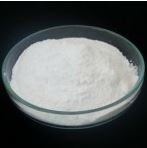
Calcium Carbonate nanoparticles (100g)
View Product
Calcium Carbonate Microparticles, ca. 3um
View Product
Calcium Carbonate Microparticles, ca. 6um
View ProductReady to Advance Your Nanotechnology Research?
Explore our extensive range of high-quality nanomaterials, including various grades of Nano CaCO3 and Calcium Carbonate Nanoparticles, designed to meet the rigorous demands of cutting-edge research and industrial applications.
Explore Our Products