
Unlocking the Potential of Nano Calcium Carbonate: A Deep Dive for Indian Researchers and Industries
Explore the cutting-edge world of CaCO3 nanoparticles and their transformative impact across various sectors, offering unparalleled opportunities for innovation and growth in India's scientific and industrial landscape.
Explore Nano InnovationsIntroduction to Nano Calcium Carbonate (NCC)
Nano Calcium Carbonate (NCC), or CaCO3 Nanoparticles, represents a frontier in advanced nanomaterials, offering a unique blend of properties that are revolutionizing various industries. For Indian researchers and professionals, understanding the profound implications of NCC is crucial for fostering innovation, developing sustainable solutions, and staying competitive in the global market. Unlike conventional calcium carbonate, NCC possesses an ultra-fine particle size, typically ranging from 1 to 100 nanometers, which dramatically increases its surface area-to-volume ratio. This enhanced surface reactivity and unique quantum effects at the nanoscale impart superior mechanical, optical, and chemical properties, making it an indispensable component in a multitude of advanced applications. From reinforcing polymers and enhancing the performance of paints to enabling novel drug delivery systems and contributing to environmental remediation, NCC's versatility is unmatched. This comprehensive guide delves into the intricate science, diverse applications, and burgeoning market opportunities of NCC, specifically tailored to address the dynamic R&D landscape and evolving industrial demands within India. We aim to provide a detailed perspective for scientists, engineers, and industry leaders looking to harness the power of these advanced nanomaterials.
Key Benefits for Researchers and Industries
- Enhanced Material Properties: NCC significantly improves the mechanical strength, stiffness, impact resistance, and thermal stability of composite materials. When incorporated into polymers, for instance, it can lead to lighter yet stronger products, crucial for sectors like automotive and aerospace. This allows for the development of materials with superior performance characteristics that were previously unattainable with traditional fillers.
- Improved Process Efficiency and Cost-Effectiveness: The fine particle size and high reactivity of NCC can optimize manufacturing processes. It can act as a rheology modifier, improving flow properties during processing, and can also reduce the overall material consumption due to its high efficiency as a filler. This translates into reduced energy consumption, faster production cycles, and ultimately, lower manufacturing costs.
- Development of Novel Products with Superior Performance: By enabling the creation of materials with tailored properties, NCC opens doors for entirely new product innovations. This includes smart coatings with self-healing capabilities, advanced drug delivery systems with targeted release, and high-performance engineering plastics that meet stringent industry standards.
- Contribution to Sustainable and Eco-friendly Technologies: NCC can be synthesized from abundant natural resources and, when used as a filler, can reduce the reliance on petroleum-based polymers. Its application in wastewater treatment and air purification also highlights its role in environmental protection, aligning with global sustainability goals and promoting greener industrial practices.
- Access to High-Growth Market Segments: As industries increasingly seek advanced materials for performance enhancement and sustainability, the demand for NCC is rapidly expanding. By integrating NCC into their product portfolios, Indian industries can tap into these high-growth segments, securing a competitive advantage in both domestic and international markets.
- Facilitation of Interdisciplinary Research Collaborations: The broad applicability of NCC encourages cross-disciplinary research, bringing together chemists, material scientists, engineers, and biologists. This collaborative environment fosters holistic innovation, leading to breakthroughs in areas like biomaterials, energy storage, and environmental science, crucial for India's scientific advancement.
Diverse Applications of Nano Calcium Carbonate
Polymers & Plastics
NCC is extensively used as a functional filler in various polymers, including PVC, polypropylene, polyethylene, and rubber. It significantly enhances mechanical properties such as tensile strength, impact strength, and flexural modulus. Furthermore, it improves surface finish, dimensional stability, and processability, making it vital for automotive parts, construction materials, and consumer goods.
Paints & Coatings
In the paints and coatings industry, NCC acts as a high-performance extender and pigment. Its fine particle size and high whiteness improve opacity, brightness, and color stability. It also contributes to enhanced scratch resistance, weatherability, and anti-settling properties, leading to more durable and aesthetically pleasing finishes.
Adhesives & Sealants
The incorporation of NCC in adhesives and sealants can significantly improve their bond strength, cohesion, and rheological properties. It helps in controlling viscosity, reducing shrinkage, and enhancing the overall durability and performance of these critical bonding agents in construction, automotive, and packaging applications.
Pharmaceuticals & Cosmetics
Due to its biocompatibility, high purity, and controlled particle size, NCC finds applications in the pharmaceutical sector as an excipient, a tablet binder, and in novel drug delivery systems. In cosmetics, it is used for UV protection, as a matting agent, and to improve the texture and stability of formulations.
Paper Industry
NCC serves as a superior filler and coating pigment in the paper industry. It significantly improves paper brightness, opacity, smoothness, and printability while reducing the consumption of more expensive wood pulp fibers. This leads to higher quality paper products with improved environmental footprints.
Environmental Remediation
The high surface area and reactivity of CaCO3 nanoparticles make them effective adsorbents for heavy metals, dyes, and other organic pollutants in wastewater treatment. They can also be utilized in air purification systems to capture harmful gases, offering a sustainable solution for environmental protection.
Opportunities and Emerging Trends in India
The market demand for nano calcium carbonate in India is witnessing significant growth, driven by the country's expanding manufacturing sector, increasing focus on advanced nanomaterials, and a robust research ecosystem. India's rapid industrialization and burgeoning population create a vast consumer base, demanding high-performance and sustainable products, where NCC plays a pivotal role. Indian institutions and private sector companies are actively engaged in cutting-edge nanotechnology research, exploring novel synthesis routes, surface functionalization techniques, and diverse applications of CaCO3 nanoparticles. This vibrant research environment is crucial for developing indigenous technologies and reducing reliance on imports.
Key trends shaping the NCC landscape in India include:
- Development of Bio-based NCC: There is a growing emphasis on synthesizing NCC from sustainable and renewable sources, such as eggshells or mollusk shells, aligning with eco-friendly initiatives and promoting circular economy principles. This bio-based approach not only reduces environmental impact but also offers unique material properties.
- Integration of NCC in Smart Materials: Researchers are exploring the integration of NCC into smart materials, including self-healing composites, responsive coatings, and sensors. These advanced materials promise revolutionary applications in infrastructure, electronics, and biomedical fields, offering real-time monitoring and adaptive functionalities.
- Growing Adoption in Automotive and Construction Industries: The automotive sector in India is increasingly adopting NCC for lightweighting applications, improving fuel efficiency, and enhancing the durability of plastic components. Similarly, in the construction industry, NCC is used to create high-strength concrete, durable paints, and advanced sealants, contributing to more resilient and sustainable infrastructure.
- "Make in India" Initiative: The government's "Make in India" initiative provides a strong impetus for domestic production and innovation in nano chemicals and advanced nanomaterials. This policy encourages local manufacturing, fosters technological self-reliance, and creates a fertile ground for the commercialization of NCC-based products, driving economic growth and job creation.
- Focus on Nanomaterial Synthesis and Nano Engineering: There is a concentrated effort on developing scalable and cost-effective nanomaterial synthesis methods to meet the increasing industrial demand. Furthermore, nano engineering principles are being applied to precisely control the size, shape, and surface chemistry of carbonate nanostructures, optimizing their performance for specific applications.
- Collaborative Research and Development: Increased collaboration between academia, research institutions, and industry is a significant trend, accelerating the translation of laboratory breakthroughs into commercial products. This synergy is vital for addressing complex industrial challenges and unlocking the full potential of nanotech applications in India.
This surge in interest and investment positions India as a key player in the global nanotech applications landscape, with substantial opportunities for investment, research, and industrial collaboration, ultimately driving the nation towards a future powered by advanced nanomaterials.
Frequently Asked Questions about Nano Calcium Carbonate
Nano Calcium Carbonate (NCC), also known as CaCO3 Nanoparticles, refers to calcium carbonate particles with dimensions typically ranging from 1 to 100 nanometers. These ultra-fine particles exhibit enhanced surface area, reactivity, and unique physical and chemical properties compared to their larger counterparts, making them highly valuable in various advanced applications.
CaCO3 nanoparticles are widely used across diverse industries. Key applications include reinforcing fillers in polymers and plastics, enhancing opacity and durability in paints and coatings, improving rheology in adhesives, serving as excipients and drug delivery agents in pharmaceuticals, and acting as a filler in the paper and rubber industries. They are also gaining traction in environmental remediation for pollutant adsorption.
For Indian industries, NCC offers significant benefits such as enabling the development of high-performance, lightweight materials, improving product quality and cost-efficiency, and fostering innovation in sectors like automotive, construction, and healthcare. Its adoption supports the 'Make in India' initiative by promoting domestic production of advanced nanomaterials and enhancing global competitiveness.
Future trends in Nano Calcium Carbonate research include the synthesis of bio-based and functionalized NCC for sustainable and smart material applications, exploring its role in advanced energy storage and conversion, and developing novel composite materials with enhanced multi-functional properties. There's also a growing focus on scalable and cost-effective production methods to meet increasing industrial demand.

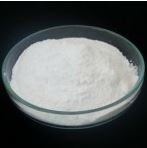

Ready to Innovate with Nano Calcium Carbonate?
Explore our premium range of CaCO3 nanoparticles and advanced nanomaterials to accelerate your research and industrial applications. Reinste is committed to providing high-quality solutions for your nanotech applications.
View Our Products