
Unlocking the Potential of Nano Calcium Carbonate: A Comprehensive Guide for Indian R&D
Explore the latest advancements, diverse applications, and significant opportunities that Nano CaCO3 presents for researchers and professionals across India.
Explore ApplicationsIntroduction to Nano Calcium Carbonate for Indian Innovation
Nano Calcium Carbonate (Nano CaCO3) represents a frontier in nanomaterials science, offering unparalleled properties compared to its bulk counterpart. With particle sizes typically ranging from 1 to 100 nanometers, these nanoparticles exhibit increased surface area, enhanced reactivity, and unique optical, mechanical, and electrical characteristics. For Indian researchers and professionals, understanding Nano CaCO3 is crucial as the nation rapidly advances in various industrial and technological sectors, demanding innovative materials for sustainable growth and competitive advantage.
The burgeoning research and development landscape in India, coupled with a strong emphasis on indigenous innovation, positions Nano Calcium Carbonate as a material of immense strategic importance. From advanced polymer composites to pharmaceutical formulations and environmental remediation, the versatility of CaCO3 Nanoparticle technology is set to revolutionize multiple industries. This guide delves into the core aspects of Nano CaCO3, highlighting its relevance and potential impact on India's scientific and industrial future.
Key Benefits for Indian Researchers and Innovators
- Enhanced Material Properties: Nano CaCO3 significantly improves the mechanical strength, stiffness, and impact resistance of polymer composites, making it ideal for advanced materials development in automotive, construction, and packaging industries.
- Cost-Effective Solutions: As a naturally abundant mineral, calcium carbonate, when processed into Nanoparticle form, offers a more economical alternative to other high-performance fillers, reducing production costs for Indian manufacturers.
- Versatile Applications: Its broad applicability extends from paints and coatings to paper, plastics, pharmaceuticals, and even food products, enabling diversification and innovation across various sectors.
- Sustainable Development: Utilizing Nano CaCO3 can contribute to greener manufacturing processes by reducing reliance on petroleum-based materials and improving product longevity.
- Advancements in Nanotechnology: Research into Nano CaCO3 synthesis and functionalization drives deeper understanding and capabilities in the broader field of Nanotechnology and Nanochemistry, fostering scientific excellence.
Diverse Applications of Nano Calcium Carbonate
Polymer and Plastic Industry
Nano CaCO3 is widely used as a filler in plastics and polymers, enhancing tensile strength, impact resistance, and surface smoothness. It's crucial for PVC pipes, automotive parts, and packaging films, offering cost reduction and performance improvement. This application is vital for India's growing manufacturing sector.
Paints, Coatings, and Inks
In paints and coatings, Nano Calcium Carbonate improves opacity, gloss, and rheological properties, while also serving as an extender to reduce titanium dioxide usage. Its fine particle size ensures smooth finishes and excellent dispersion, a key factor in high-quality Indian architectural and industrial coatings.
Paper Manufacturing
As a filler and coating pigment, Nano CaCO3 enhances paper brightness, opacity, and printability. It allows for lighter paper with improved strength, contributing to more sustainable and efficient paper production processes, aligning with India's environmental goals.
Pharmaceuticals and Cosmetics
In pharmaceuticals, Nano CaCO3 is used as an excipient, a calcium supplement, and an antacid. In cosmetics, it acts as a mild abrasive, opacifying agent, and filler. Its high purity and fine particle size are critical for these sensitive applications, a growing area for Indian biotech and pharma.
India-Specific Opportunities and Emerging Trends in Nano CaCO3
India's rapid industrialization and increasing focus on advanced materials present significant opportunities for the growth and adoption of Nano Calcium Carbonate. The "Make in India" initiative, coupled with substantial investments in research infrastructure, is fueling innovation in Nanotechnology. Indian researchers are actively exploring new methods for Nanoparticle synthesis, focusing on cost-effective and environmentally friendly approaches.
One key trend is the development of surface-modified Nano CaCO3, which enhances compatibility with various polymer matrices, leading to superior Nanocomposites. There's also a growing interest in using Nano CaCO3 for environmental applications, such as water treatment and CO2 capture, addressing critical challenges faced by the nation. Furthermore, the demand for high-performance, lightweight materials in the automotive and aerospace sectors in India is driving further research into advanced Nano CaCO3 applications. The latest news on nano calcium carbonate often highlights collaborative projects between Indian academic institutions and industry, accelerating technology transfer and commercialization.
Government Initiatives and Research Funding
Government bodies like the Department of Science & Technology (DST) and Council of Scientific & Industrial Research (CSIR) are providing grants and fostering centers of excellence dedicated to Nanomaterials research. These initiatives are crucial for scaling up the production and application of Nano CaCO3, ensuring that India remains at the forefront of Nanochemistry and materials science.
Frequently Asked Questions about Nano Calcium Carbonate

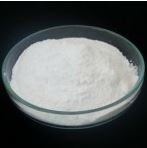

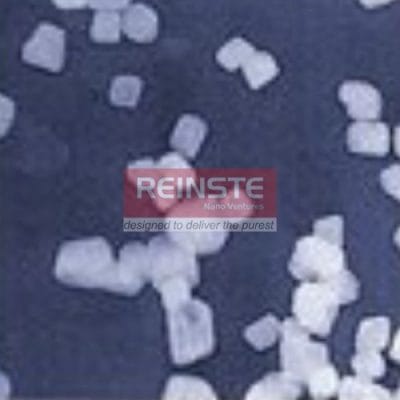
Ready to Advance Your Research with Nano Calcium Carbonate?
Whether you are developing new composites, optimizing existing formulations, or exploring novel applications in Nanotechnology, Reinste offers high-quality Nano Calcium Carbonate products to meet your specific needs.
Get a Quote or Custom Solution