
Unlocking the Potential: Nano CaCO3 and Calcium Carbonate Nanoparticles in Polymer Nanocomposites for Indian R&D
Explore the transformative impact of Nano CaCO3 and Calcium Carbonate Nanoparticles in enhancing polymer properties, crucial for cutting-edge research and industrial innovation in India.
Explore ApplicationsThe Dawn of a New Era: Nano CaCO3 in Indian Polymer Science
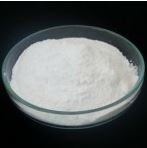
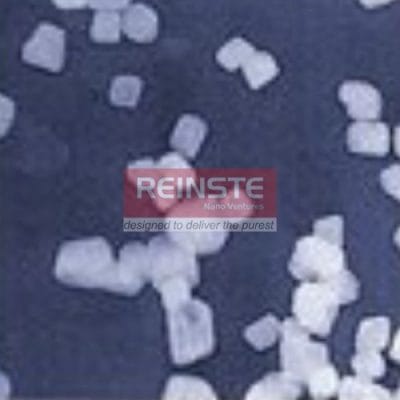
India's rapid industrialization and burgeoning research landscape demand innovative materials that are not only high-performing but also cost-effective and sustainable. In this context, Nano CaCO3, or Calcium Carbonate Nanoparticles, are emerging as a game-changer, particularly in the realm of Polymer Nanocomposites. These ultra-fine particles, typically ranging from 1 to 100 nanometers, offer a unique combination of properties that can significantly enhance the performance of various polymer systems.
The traditional use of calcium carbonate as a filler in polymers is well-established, primarily for cost reduction and property modification. However, the nanoscale dimension of Nano CaCO3 introduces a paradigm shift. At this scale, surface area-to-volume ratio dramatically increases, leading to enhanced interfacial interactions between the nanoparticles and the polymer matrix. This results in superior mechanical, thermal, and barrier properties that are unattainable with conventional micro-sized fillers.
For Indian researchers and professionals, understanding and harnessing the potential of CaCO3 Nanocomposites is paramount. From automotive components requiring lightweight yet robust materials to advanced packaging solutions demanding improved barrier properties, the applications are vast and growing. This blog delves into the science behind these remarkable nano fillers, their benefits, diverse applications, and the exciting opportunities and trends shaping their future in the Indian market.
The strategic integration of Nanomaterials Research and Nanotechnology Applications into India's R&D framework is not just an academic pursuit; it's a critical driver for economic growth and technological self-reliance. By embracing these advanced materials, India can position itself at the forefront of global material science innovation, developing products that meet both domestic needs and international standards.
Key Benefits for Indian Researchers and Industries
Enhanced Mechanical Properties
Nano CaCO3 significantly improves tensile strength, flexural modulus, and impact resistance of polymers. This is crucial for developing durable and robust materials for applications in automotive, construction, and consumer goods, directly addressing the need for high-performance components in India's growing manufacturing sector.
Improved Thermal Stability
The incorporation of Calcium Carbonate Nanoparticles helps in increasing the heat deflection temperature and reducing the thermal expansion coefficient of polymers. This is vital for products exposed to varying temperature conditions, common in India's diverse climatic regions, ensuring longevity and reliability.
Superior Barrier Properties
For packaging applications, Nano CaCO3 can reduce the permeability of gases and moisture, extending the shelf life of perishable goods. This innovation is particularly relevant for the Indian food and pharmaceutical industries, where effective preservation is key.
Cost-Effectiveness and Sustainability
As a naturally abundant mineral, calcium carbonate offers a cost-effective alternative to more expensive synthetic fillers. Utilizing nano fillers also contributes to sustainable material development by potentially reducing the overall polymer content while maintaining or improving performance.
Enhanced Processability
Well-dispersed Nano CaCO3 can improve the melt flow properties of polymers, facilitating easier processing and molding. This leads to reduced manufacturing costs and increased production efficiency, a significant advantage for Indian industries aiming for global competitiveness.
Versatility in Applications
The ability to tailor surface modifications of CaCO3 Nanocomposites allows for their integration into a wide range of polymers, including polyethylene, polypropylene, PVC, and more. This versatility opens up new avenues for product development across various sectors in India.
Diverse Industrial Applications of CaCO3 Nanocomposites
Automotive Sector
Lightweight Polymer Nanocomposites with Nano CaCO3 are used in interior and exterior components, reducing vehicle weight and improving fuel efficiency. This aligns with India's push for greener transportation and advanced manufacturing.
Packaging Solutions
Enhanced barrier films for food and pharmaceutical packaging, offering extended shelf life and reduced material usage. This is vital for India's vast consumer market and export potential.
Construction Materials
Improved durability and strength in PVC pipes, window profiles, and roofing materials. CaCO3 Nanocomposites contribute to longer-lasting infrastructure, crucial for India's growing urban landscape.
Electronics and Electricals
Used in insulation, cables, and electronic components for better thermal management and electrical properties. India's booming electronics manufacturing sector can greatly benefit from these advanced materials.
Agriculture and Textiles
Potential in agricultural films for enhanced durability and in textiles for improved strength and functional properties. These Nanotechnology Applications are opening new frontiers for innovation in traditional Indian industries.
Medical Devices
Research is exploring the use of Nano CaCO3 in biocompatible polymer composites for medical implants and drug delivery systems, contributing to India's growing healthcare technology sector.
India's Nanomaterials Landscape: Opportunities and Future Trends
The landscape for Nanomaterials Research and Nanotechnology Applications in India is vibrant and expanding. Government initiatives, increased funding for R&D, and a growing pool of skilled professionals are creating fertile ground for advancements in areas like Nano CaCO3 and Polymer Nanocomposites. Indian institutions are actively engaged in Nanoparticle Synthesis and Nanoparticle Characterization, pushing the boundaries of material science.
One significant trend is the focus on sustainable materials. Nano CaCO3, being derived from an abundant natural resource, fits perfectly into this narrative. Researchers are exploring ways to further functionalize these nano fillers to achieve even better dispersion and compatibility with various polymer matrices, reducing the reliance on petroleum-based materials and contributing to a circular economy.
Another key opportunity lies in the development of smart materials. By combining Calcium Carbonate Nanoparticles with other functional nanomaterials, Indian scientists are working on composites with sensing capabilities, self-healing properties, and enhanced electrical conductivity. These innovations hold immense promise for advanced electronics, smart infrastructure, and next-generation medical devices.
The "Make in India" initiative provides a strong impetus for indigenous production of advanced materials. This includes scaling up the manufacturing of high-quality Nano CaCO3 and developing expertise in formulating CaCO3 Nanocomposites tailored to specific industrial requirements. Collaboration between academia and industry is crucial to translate laboratory breakthroughs into commercial successes.
Finally, the global demand for high-performance, lightweight, and eco-friendly materials continues to grow. India, with its strong scientific talent and manufacturing capabilities, is well-positioned to become a global hub for Material Science Nano innovations. The continued exploration of nano calcium carbonate in polymers will undoubtedly play a pivotal role in shaping India's industrial future and its contribution to global Nanotechnology Applications.
Frequently Asked Questions about Nano CaCO3 and Polymer Nanocomposites


Ready to Innovate with Nanomaterials?
Connect with our experts to explore how Nano CaCO3 can transform your polymer research and industrial applications.
Get in Touch Today