Reinste Logo
Calcium carbonate nanoparticles, key to enhanced concrete strength

Unlocking Concrete Strength: The Transformative Role of Nano CaCO3 and Calcium Carbonate Nanoparticles in India

Explore how cutting-edge nanomaterials are revolutionizing construction, offering unprecedented strength and durability for Indian infrastructure projects and research endeavors.

Learn More

The Nanoscale Revolution: How Nano CaCO3 is Reshaping Indian Construction and Research

India's rapid infrastructural development demands innovative materials that can withstand the test of time, extreme weather conditions, and increasing load-bearing requirements. Traditional construction materials, while robust, often reach a plateau in terms of performance. This is where the realm of nanomaterials, particularly Nano Calcium Carbonate (Nano CaCO3) and calcium carbonate nanoparticles, emerges as a game-changer. For Indian researchers and professionals, understanding and harnessing these advanced materials is not just an academic pursuit but a strategic imperative for national progress.

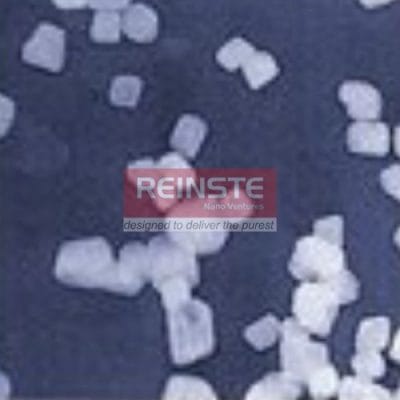
Nano CaCO3, with its ultra-fine particle size, exhibits properties vastly superior to its bulk counterpart. When incorporated into concrete, it acts as a nucleation site for cement hydration, leading to a denser, more homogeneous microstructure. This results in significantly enhanced mechanical properties, including compressive strength, flexural strength, and durability. Beyond concrete, the applications of these nanoparticles span diverse sectors, from polymers and paints to pharmaceuticals and environmental remediation, marking a true paradigm shift in materials science.

The Indian research and development landscape is ripe for exploring these innovations. With a growing emphasis on sustainable and high-performance construction, the integration of nano concrete strength solutions offers a pathway to greener buildings and more resilient infrastructure. This blog delves into the intricate science behind Nano CaCO3, its myriad applications, and the immense opportunities it presents for India's scientific and industrial communities. We aim to provide a humanized, informative perspective, tailored for those at the forefront of this exciting field.

From its unique synthesis methods to its profound impact on material properties, Nano CaCO3 represents a frontier in nanomaterials science. As we navigate the complexities of modern engineering challenges, these tiny particles hold the potential to unlock monumental advancements, promising a future where materials are not just strong, but intelligently designed for optimal performance and longevity.

Key Benefits of Nano CaCO3 for Indian Researchers and Industry

  • Enhanced Concrete Strength and Durability

    Nano CaCO3 significantly improves the compressive and flexural strength of concrete, leading to structures that are more resilient to stress, cracking, and environmental degradation, crucial for India's diverse climatic conditions.

  • Improved Workability and Rheology

    The spherical nature and fine size of calcium carbonate nanoparticles can enhance the flow properties of cement paste, allowing for easier placement and compaction, reducing the need for excessive water and superplasticizers.

  • Reduced Permeability and Increased Resistance

    By filling nanoscale pores, Nano CaCO3 reduces the permeability of concrete, making it more resistant to chloride ingress, sulfate attack, and other harmful substances, extending the lifespan of structures.

  • Eco-Friendly and Sustainable Construction

    The use of Nano CaCO3 can potentially reduce the cement content required while achieving superior strength, contributing to a lower carbon footprint and more sustainable construction practices in India.

  • Versatile Applications Beyond Concrete

    Beyond concrete, these nanoparticles find use in paints, coatings, plastics, rubber, and even biomedical applications, opening diverse research avenues and industrial opportunities for Indian innovators.

  • Cost-Effectiveness in the Long Run

    While initial costs might seem higher, the extended lifespan, reduced maintenance, and superior performance offered by nano-enhanced materials lead to significant long-term cost savings for large-scale projects.

Diverse Industrial Applications of Calcium Carbonate Nanoparticles

Advanced Construction Materials

Beyond conventional concrete, Nano CaCO3 is integral to high-performance concrete, self-compacting concrete, and repair mortars. Its ability to enhance early strength and reduce shrinkage is invaluable for rapid construction and durable infrastructure, including bridges, high-rise buildings, and critical public works in India.

The applications extend to specialized concretes for extreme environments, where resistance to chemical attack and high temperatures is paramount. This makes it a crucial component for projects in coastal regions or industrial zones.

Paints, Coatings, and Adhesives

In the coatings industry, calcium carbonate nanoparticles improve opacity, brightness, and weather resistance. They act as excellent extenders, reducing the need for more expensive pigments while enhancing film integrity and anti-corrosion properties. For automotive and marine coatings, this translates to longer-lasting protection.

In adhesives, they contribute to better bond strength, rheology control, and reduced shrinkage, vital for various industrial and consumer products.

Plastics and Polymers Industry

Nano CaCO3 serves as a functional filler in plastics, improving mechanical properties such as impact strength, stiffness, and dimensional stability. It also aids in processing by reducing melt viscosity. This is critical for applications ranging from automotive parts and packaging to pipes and electrical components.

The fine particle size ensures excellent dispersion, leading to transparent or translucent films and sheets, expanding its utility in advanced polymer composites.

Paper and Pulp Industry

As a filler and coating pigment, Nano CaCO3 enhances paper brightness, opacity, and printability. Its use allows for lighter-weight papers with improved surface characteristics, reducing wood pulp consumption and making the paper production process more sustainable and cost-effective.

This is particularly relevant for the growing demand for high-quality printing and packaging materials in India.

Pharmaceuticals and Biomedical Fields

In the biomedical sector, calcium carbonate nanoparticles are explored for drug delivery systems, bone tissue engineering, and as calcium supplements due to their biocompatibility and biodegradability. Their high surface area allows for efficient drug loading and controlled release.

Research in India is actively investigating their potential in targeted therapies and regenerative medicine, leveraging advanced nanomaterials science.

Environmental Remediation

Nano CaCO3 can be utilized for water treatment, acting as an adsorbent for heavy metals and other pollutants. Its high reactivity and surface area make it effective in removing contaminants from industrial wastewater and drinking water sources, contributing to environmental protection efforts.

This application aligns with India's increasing focus on clean water initiatives and sustainable waste management.

Frequently Asked Questions about Nano CaCO3 and Nanomaterials

Ready to Advance Your Research with Nanomaterials?

Connect with Reinste to explore our comprehensive range of high-quality Nano CaCO3 and other advanced nanomaterials tailored for your specific research and industrial needs.

Explore Our Nanomaterials

Get in Touch with Our Experts