The Future of Materials: Nano Calcium Carbonate in Indian Research & Industry
Dive into the transformative world of Nano Calcium Carbonate, exploring its pivotal role in advancing Indian R&D and industrial innovation.
Explore Now
Introduction to Nano Calcium Carbonate: A Game-Changer for India
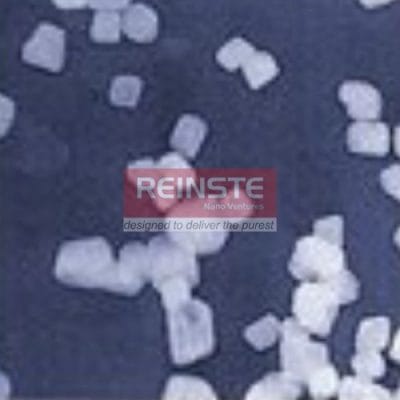
In the rapidly evolving landscape of materials science, Nano Calcium Carbonate (Nano CaCO3) stands out as a revolutionary material with immense potential. Characterized by its incredibly small particle size, typically ranging from 1 to 100 nanometers, Nano CaCO3 exhibits properties far superior to its conventional micron-sized counterparts. This nanoscale advantage translates into enhanced surface area, increased reactivity, and improved mechanical performance when integrated into various matrices. For Indian researchers and professionals, understanding and leveraging Nano CaCO3 is not just an academic pursuit but a strategic imperative to drive innovation and maintain global competitiveness.
India's robust R&D sector and burgeoning industrial base are perfectly poised to harness the power of nanotechnology. The demand for high-performance, cost-effective, and sustainable materials is escalating across diverse sectors, from automotive and construction to packaging and healthcare. Nano CaCO3, with its versatility and ability to impart superior characteristics, offers a compelling solution to these demands. Its unique attributes make it an ideal candidate for developing next-generation products that are lighter, stronger, and more environmentally friendly. This blog delves into the multifaceted world of Nano CaCO3, highlighting its significance, applications, and the vast opportunities it presents for India's scientific and industrial future.
The journey of Nano CaCO3 from laboratory synthesis to industrial application is a testament to the power of nanotechnology. Its ability to act as a reinforcing filler, a functional additive, or a performance enhancer makes it indispensable in modern material engineering. As India continues its trajectory towards becoming a global manufacturing and innovation hub, the adoption of advanced nanomaterials like Nano CaCO3 will play a crucial role in shaping its economic growth and technological prowess. This section sets the stage for a deeper exploration into how this remarkable nanomaterial is set to redefine industries and research paradigms across the nation.
Further exploration into the synthesis methods, characterization techniques, and the fundamental science behind Nano CaCO3's enhanced properties reveals a complex yet fascinating field. Researchers are continually developing novel approaches to produce Nano CaCO3 with tailored morphologies and surface modifications, enabling its use in highly specialized applications. The economic implications for India are significant, as local production and innovation in Nano CaCO3 can reduce reliance on imports and foster a self-reliant nanotechnology ecosystem.
The integration of Nano CaCO3 into existing industrial processes often requires careful optimization and process engineering. However, the benefits, including improved product quality, reduced material usage, and enhanced cost-efficiency, often outweigh the initial challenges. This makes Nano CaCO3 an attractive proposition for Indian manufacturers looking to upgrade their product lines and gain a competitive edge in both domestic and international markets. The collaborative efforts between academia and industry are vital in translating research breakthroughs into scalable and commercially viable solutions, ensuring that India fully capitalizes on the potential of this advanced nanomaterial.
Key Benefits for Indian Researchers and Innovators
-
Enhanced Material Performance: Nano CaCO3 significantly improves mechanical properties like tensile strength, impact resistance, and stiffness in polymers, composites, and coatings, enabling the development of more durable and robust products essential for India's infrastructure and manufacturing sectors.
-
Cost-Effectiveness and Resource Optimization: As a natural and abundant mineral, Nano CaCO3 offers a cost-effective alternative to more expensive synthetic fillers. Its high efficiency at lower loading levels can lead to reduced material consumption and manufacturing costs, a crucial factor for price-sensitive Indian markets.
-
Versatility in Applications: Its broad compatibility with various polymer systems and matrices makes Nano CaCO3 highly versatile. Indian researchers can explore its use in a wide array of applications, from construction materials and automotive parts to advanced packaging and biomedical devices, fostering interdisciplinary innovation.
-
Environmental Sustainability: Nano CaCO3 can contribute to greener product development by enabling the reduction of fossil fuel-based materials, improving product longevity, and facilitating the creation of lightweight components that reduce energy consumption, aligning with India's environmental goals.
-
Innovation in Advanced Materials: For researchers, Nano CaCO3 opens avenues for fundamental and applied research in nanotechnology, composite materials, surface chemistry, and polymer science. It provides a platform for developing novel functionalities and smart materials, pushing the boundaries of scientific discovery in India.
-
Market Competitiveness: By integrating Nano CaCO3 into products, Indian manufacturers can enhance product quality and performance, making them more competitive in both domestic and international markets. This drives economic growth and strengthens India's position in the global nanotechnology sector.
These benefits collectively underscore the strategic importance of Nano CaCO3 for India. Its widespread adoption can lead to significant advancements in various industries, fostering a culture of innovation and sustainability. The ability to produce materials with superior characteristics at competitive prices is a key driver for economic progress and will enable Indian industries to meet the evolving demands of a globalized market.
Industrial Applications: Driving Growth Across Sectors
Plastics and Polymers
Nano CaCO3 is a vital additive in the plastics industry, particularly in PVC, polypropylene, and polyethylene. It enhances mechanical properties like stiffness, impact strength, and tensile strength, while also improving processability and reducing costs. In India, this is crucial for the manufacturing of pipes, cables, automotive components, and various consumer goods, contributing to more durable and efficient plastic products. Its use helps in achieving lightweight yet robust plastic parts, which are essential for modern engineering applications.
Paints and Coatings
In paints and coatings, Nano CaCO3 acts as an excellent extender and filler, improving opacity, brightness, and weatherability. It also enhances the rheological properties of paints, leading to better brushability and flow. For the Indian construction and automotive sectors, this means more durable, aesthetically pleasing, and protective coatings that can withstand diverse environmental conditions, extending the lifespan of painted surfaces and vehicles. Its fine particle size ensures smooth finishes and improved film integrity.
Rubber and Elastomers
The incorporation of Nano CaCO3 into rubber and elastomer compounds significantly enhances their mechanical properties, including tensile strength, tear resistance, and hardness. This is particularly beneficial for manufacturing tires, conveyor belts, gaskets, and seals in India, where industrial machinery and transportation demand high-performance rubber products. It also helps in reducing the use of more expensive reinforcing fillers like carbon black, offering a cost-effective solution without compromising quality.
Paper Industry
Nano CaCO3 is increasingly being used in the paper industry as a filler and coating pigment. It improves paper brightness, opacity, smoothness, and printability while reducing wood pulp consumption. For India's growing paper and packaging industry, this translates into higher quality paper products, reduced production costs, and a more sustainable manufacturing process, aligning with environmental conservation efforts. Its high surface area also aids in ink absorption and drying.
Adhesives and Sealants
In adhesives and sealants, Nano CaCO3 acts as a rheology modifier and reinforcing filler, improving bond strength, flexibility, and dimensional stability. This is critical for various construction, automotive, and industrial applications in India, ensuring robust and long-lasting adhesion in diverse environments. Its fine particle size helps in achieving uniform dispersion and prevents settling, leading to consistent product performance.
Advanced Materials and Biomedical
Beyond traditional industries, Nano CaCO3 is gaining traction in advanced materials research, including lightweight composites, and in biomedical applications like drug delivery systems and bone tissue engineering. Indian research institutions are actively exploring these cutting-edge uses, positioning the country at the forefront of nanotechnology innovation and healthcare solutions. Its biocompatibility and biodegradability make it an attractive candidate for various medical applications.
The diverse range of applications for Nano CaCO3 underscores its importance as a foundational nanomaterial. Each sector benefits from its unique properties, leading to products that are not only superior in performance but also more sustainable. As Indian industries continue to evolve, the integration of advanced materials like Nano CaCO3 will be key to unlocking new levels of efficiency, quality, and competitiveness.
India's Nanotechnology Landscape: Opportunities and Future Trends
India's commitment to scientific and industrial advancement has fostered a fertile ground for nanotechnology. The government's initiatives, coupled with increasing private sector investment, are driving significant growth in nanomaterial research and development. For Nano CaCO3, this translates into substantial opportunities for both domestic production and application innovation. Indian companies producing nano calcium carbonate are poised to meet the rising demand across various industries, from automotive to construction. The focus is not just on volume but also on developing specialized grades of Nano CaCO3 with tailored surface modifications for specific applications, enhancing their performance in complex matrices.
One of the prominent trends in India is the push towards sustainable and green nanotechnology. Researchers are actively exploring eco-friendly synthesis routes for Nano CaCO3, minimizing waste and energy consumption. This aligns with global efforts to reduce the environmental footprint of industrial processes. Furthermore, the integration of Nano CaCO3 into biodegradable polymers and composites is a growing area, offering solutions for plastic pollution and promoting a circular economy. This focus on sustainability is attracting significant R&D investment, making India a hub for green nanomaterial innovation.
Another key trend is the increasing collaboration between academic institutions, research laboratories, and industrial players. This synergy is crucial for translating laboratory breakthroughs into commercial products. Universities and institutes are focusing on fundamental research into CaCO3 nanoparticle properties, while industries are keen on industrial nanomaterials and their scalable production. This collaborative ecosystem is vital for accelerating the adoption of advanced nanotechnology solutions across Indian industries, ensuring that research directly addresses market needs and challenges.
The demand for Nano Composites CaCO3 is also on an upward trajectory. These composites offer superior mechanical, thermal, and barrier properties compared to traditional materials, making them ideal for high-performance applications. From lightweight automotive parts that improve fuel efficiency to advanced packaging solutions that extend shelf life, the potential for Nano Composites CaCO3 in India is immense. The market is also seeing a rise in demand for Nano Chemical Synthesis techniques that allow for precise control over particle size and morphology, opening new avenues for product development.
Looking ahead, the future of Nano CaCO3 in India is bright. With continued investment in Nanomaterial Research, a focus on Advanced Nanotechnology, and the emergence of more companies producing nano calcium carbonate, India is set to become a global leader in this field. The emphasis will be on developing smart nanomaterials, integrating AI and machine learning for material design, and expanding Nano Applications into novel areas like smart textiles and energy storage. These trends collectively paint a picture of a dynamic and innovative sector poised for significant growth and impact.
The regulatory framework around nanotechnology in India is also evolving, aiming to balance innovation with safety and ethical considerations. This structured approach provides confidence for both researchers and industries, fostering responsible development and deployment of nanomaterials. Furthermore, skill development programs are being initiated to train a new generation of scientists and engineers in nanotechnology, ensuring a steady supply of expertise for the growing sector.
International collaborations and technology transfer agreements are also playing a significant role in accelerating India's progress in Nano CaCO3 research and industrialization. By leveraging global expertise and sharing best practices, Indian entities can rapidly advance their capabilities and bring cutting-edge products to market faster. This global outlook, combined with strong domestic innovation, will solidify India's position as a key player in the global nanotechnology arena.
Frequently Asked Questions About Nano Calcium Carbonate
Discover Related Nanomaterial Products

Ready to Explore Nano CaCO3 Solutions?
Connect with Reinste's experts to discover how Nano Calcium Carbonate can revolutionize your research and industrial applications. We offer tailored solutions and high-quality nanomaterials to meet your specific needs.
Contact Us for Custom Solutions