Reinste Logo

Sustainable Nanomaterials: Green Nanotechnology and Nano CaCO3 Applications for Indian Innovation

Explore the cutting-edge world of sustainable nanomaterials and green nanotechnology, focusing on Nano CaCO3 applications. This comprehensive guide for Indian researchers and professionals delves into the synthesis, properties, and diverse uses of calcium carbonate nanoparticles, highlighting their role in advanced nanomaterials research and sustainable development.

Explore Now
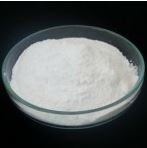
Calcium Carbonate Nanoparticles, representing sustainable nanomaterials

Introduction to Sustainable Nanomaterials and Nano CaCO3

In the dynamic landscape of modern science and technology, the pursuit of innovation is increasingly intertwined with the imperative of sustainability. For Indian researchers and professionals, this intersection is particularly vital, given the nation's rapid industrial growth and its commitment to environmental stewardship. At the forefront of this green revolution lies the fascinating realm of sustainable nanomaterials, a field that promises groundbreaking solutions without compromising our planet's future.

This blog post delves into the exciting world of green nanotechnology, with a specific focus on Nano CaCO3 (Calcium Carbonate Nanoparticles). We will explore how these tiny materials are making a colossal impact across various sectors, offering sustainable alternatives and enhancing performance in ways previously unimaginable. From their unique synthesis pathways to their diverse applications, CaCO3 nanoparticles represent a cornerstone of advanced materials research in India.

The demand for high-performance, eco-friendly materials is escalating globally, and India is no exception. Industries are seeking innovative ways to reduce their carbon footprint, minimize waste, and develop products that are both efficient and sustainable. Nanotechnology applications, particularly those involving Nano Calcium Carbonate, offer a compelling answer to these challenges. This article aims to provide a comprehensive overview, tailored for the Indian scientific community, highlighting the immense potential and practical implications of integrating sustainable nanomaterials into research and industrial practices. We will discuss the synthesis of Nano Calcium Synthesis methods, their characterization, and the benefits they bring to various sectors, fostering a deeper understanding of their role in a sustainable future.

The journey into the nanoscale reveals a universe of possibilities where conventional materials gain extraordinary properties. Nanomaterials research in India is thriving, with a growing emphasis on developing environmentally benign and cost-effective solutions. By embracing green nanotechnology principles, researchers are not only pushing the boundaries of scientific discovery but also contributing significantly to national and global sustainability goals. This piece will serve as an informative resource for anyone interested in the synthesis, properties, and transformative power of CaCO3 Nanoparticles and other advanced nanomaterials.

Key Benefits for Indian Researchers and Industries

The adoption of sustainable nanomaterials and green nanotechnology, especially with materials like Nano CaCO3, offers a multitude of advantages for India's research and industrial sectors.

  • Enhanced Material Performance: CaCO3 Nanoparticles, due to their high surface area and unique crystal structures, significantly improve the mechanical properties, thermal stability, and optical characteristics of composites. This is crucial for industries like plastics, rubber, and coatings, leading to more durable and efficient products.
  • Cost-Effectiveness: While initial research and development might require investment, the long-term benefits of using Nano Calcium Carbonate include reduced material consumption, improved processing efficiency, and extended product lifecycles, ultimately leading to significant cost savings for Indian manufacturers.
  • Environmental Sustainability: A core tenet of green nanotechnology is minimizing environmental impact. Sustainable applications of Nano CaCO3 contribute to this by enabling the development of biodegradable plastics, efficient water purification systems, and eco-friendly construction materials, aligning with India's environmental goals.
  • Innovation and Competitiveness: Investing in nanomaterials research and the development of advanced nanomaterials positions Indian industries at the forefront of global technological innovation. This fosters a competitive edge in international markets, attracting investments and collaborations.
  • Resource Efficiency: Nano CaCO3 can often replace more expensive or less environmentally friendly raw materials, promoting resource efficiency and reducing reliance on imported resources, which is a significant advantage for India's self-reliance initiatives.
  • Versatile Applications: The adaptability of Nano CaCO3 allows its use across a broad spectrum of sectors, from agriculture and healthcare to construction and electronics, opening up new avenues for product development and market expansion in India.

Diverse Applications of Nano CaCO3 in Indian Industries

The versatility of Nano CaCO3 makes it an invaluable component across a myriad of nanotechnology applications, driving innovation and sustainability in Indian industries.

Polymer and Plastic Industry

Nano CaCO3 is extensively used as a filler in polymers and plastics, enhancing mechanical strength, stiffness, impact resistance, and surface finish. It also helps reduce production costs by partially replacing more expensive polymer resins. This is vital for sectors producing automotive parts, packaging materials, and consumer goods in India. The focus here is on sustainable nanomaterials for durable plastic solutions.

Paints and Coatings

In paints and coatings, CaCO3 Nanoparticles improve opacity, brightness, weatherability, and abrasion resistance. They also act as a rheology modifier, improving paint consistency and application properties. This leads to more durable and aesthetically pleasing finishes for buildings, vehicles, and industrial equipment, aligning with green nanotechnology principles by potentially reducing the need for multiple coats.

Rubber Industry

For rubber products, Nano Calcium Carbonate serves as an effective reinforcing filler. It enhances tensile strength, tear resistance, and hardness, making rubber more durable and extending its lifespan. This is particularly beneficial for tire manufacturing, seals, and gaskets, contributing to the development of advanced nanomaterials for the automotive sector.

Paper Industry

The paper industry utilizes Nano CaCO3 as a filler and coating pigment. It improves paper brightness, opacity, smoothness, and printability, while also reducing manufacturing costs. This makes paper production more efficient and environmentally friendly, showcasing sustainable applications of Nano CaCO3.

Biomedical and Healthcare

Due to its biocompatibility and biodegradability, Nano CaCO3 is gaining traction in biomedical applications. It is explored for drug delivery systems, bone tissue engineering, and as a component in dental materials. Nanomaterials research in this area holds immense promise for improving healthcare outcomes in India.

Environmental Remediation

Nano CaCO3 can be used in water treatment for removing heavy metals and other pollutants due to its high adsorption capacity. It also has potential in CO2 capture technologies, contributing to cleaner air and water, which are critical sustainable applications of Nano CaCO3 for India.

Frequently Asked Questions about Nano CaCO3 and Green Nanotechnology

Sustainable nanomaterials are engineered materials at the nanoscale (1-100 nanometers) designed with an emphasis on minimizing environmental impact throughout their lifecycle—from synthesis to application and disposal. This includes using green chemistry principles, reducing energy consumption, and ensuring biocompatibility and biodegradability where appropriate. For Indian researchers, focusing on sustainable nanomaterials is crucial for developing environmentally responsible technological solutions.

Green nanotechnology specifically aims to create nanomaterials and nanoproducts without harming the environment or human health. It focuses on processes that reduce waste, use fewer toxic materials, and consume less energy. Traditional nanotechnology, while innovative, may not always prioritize these environmental considerations. Green nanotechnology, therefore, offers a more eco-conscious approach to leveraging the power of the nanoscale.

Nano CaCO3, or calcium carbonate nanoparticles, are ultrafine particles of calcium carbonate with dimensions in the nanometer range. Their nanoscale size imparts unique properties, including high surface area, enhanced reactivity, and improved mechanical strength when incorporated into various matrices. These properties make Nano CaCO3 highly versatile for applications in diverse sectors, from polymers and paints to biomedicine and environmental remediation. Researchers in India are increasingly exploring the synthesis and functionalization of Nano CaCO3 for advanced applications.

In India, Nano CaCO3 finds extensive applications across several industries. It is widely used as a filler in plastics, rubber, and paper industries to enhance mechanical properties, reduce material costs, and improve surface finish. In the paint and coatings sector, it improves opacity, brightness, and weather resistance. Furthermore, its biocompatibility makes it suitable for biomedical applications like drug delivery and bone tissue engineering. Environmental applications include water treatment and CO2 capture. These diverse applications underscore the importance of Nano CaCO3 in India's industrial and research landscape.

For a rapidly developing nation like India, sustainable nanomaterials research is paramount. It enables the development of advanced technologies that address critical challenges such as environmental pollution, resource scarcity, and public health, without compromising future generations. By focusing on green nanotechnology and sustainable practices, India can foster innovation that is both economically viable and environmentally responsible, positioning itself as a leader in sustainable technological advancements.

Ready to Innovate with Sustainable Nanomaterials?

Reinste is dedicated to providing high-quality nanomaterials and fostering advancements in green nanotechnology. Connect with our experts to explore how Nano CaCO3 and other advanced nanomaterials can transform your research and industrial applications.

Contact Our Experts

Get in Touch