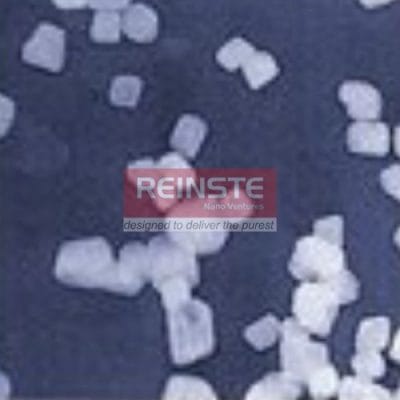
Reinste Logo

Nano Synthesis Methods: Advanced Approaches to Calcium Carbonate Nanoparticles for Indian R&D

Uncover the innovative techniques driving the creation of Nano CaCO3 and its transformative impact on various industries and research landscapes across India.

Explore Synthesis Methods

Introduction to Nano Calcium Carbonate and its Significance in India

Calcium Carbonate Nanoparticles (Nano CaCO3) represent a frontier in nanomaterials research, offering unparalleled properties compared to their conventional counterparts. With a burgeoning research and development sector and a rapidly expanding industrial landscape, India stands at the cusp of leveraging these Advanced Nanomaterials for a multitude of applications. Understanding the intricate Nano Synthesis Methods is crucial for unlocking the full potential of Nano CaCO3, paving the way for innovations in sectors ranging from plastics and coatings to pharmaceuticals and construction. The precise control over size, morphology, and surface chemistry during the synthesis of Calcium Carbonate Nanoparticles is paramount. This control dictates the nanoparticle's performance in various matrices, influencing properties like mechanical strength, optical clarity, and chemical reactivity. For Indian researchers and professionals, mastering these synthesis techniques means not only developing superior products but also contributing to a self-reliant and technologically advanced nation. This comprehensive article delves into the diverse methods of how is nano caco3 made, highlighting their principles, advantages, and the exciting opportunities they present within the Indian context, fostering a deeper understanding of these critical Nanotechnology Innovations. We will explore various Nano Synthesis Methods, from the foundational principles of controlled precipitation and carbonation to advanced techniques like microemulsion and hydrothermal synthesis, each offering unique pathways to tailor the properties of Nano CaCO3 for specific industrial and research demands. This exploration will provide valuable insights for those engaged in Nanomaterials Research and the development of Nano Composites and Nano Additives.

Unlocking Potential: Benefits of Nano CaCO3 for Indian Researchers

  • Enhanced Material Properties: Nano CaCO3 significantly improves mechanical strength, impact resistance, and surface finish in composites, crucial for advanced materials research.
  • Versatile Applications: Its high surface area and reactivity open doors for novel applications in drug delivery, catalysis, and environmental remediation, aligning with India's diverse research priorities.
  • Cost-Effectiveness: As a naturally abundant resource, Nano Calcium Carbonate offers a sustainable and economical alternative to other nanomaterials, reducing research and production costs.
  • Improved Dispersion: Advanced Nano Synthesis Methods lead to better particle dispersion, preventing aggregation and ensuring homogeneous integration into various matrices, vital for consistent research outcomes.
  • Reduced Material Usage: Due to its superior performance at nanoscale, smaller quantities of Nano CaCO3 are often required to achieve desired properties, contributing to resource efficiency.
  • Biocompatibility: Certain forms of Nano CaCO3 exhibit excellent biocompatibility, making them suitable for biomedical research, including bone tissue engineering and medical imaging.
  • Advancing Nanotechnology Innovations: Research into Nano CaCO3 synthesis and application directly contributes to India's growing expertise in Nanomaterials Research and Nanotechnology Innovations, fostering a competitive edge.

Transforming Industries: Key Applications of Nano Calcium Carbonate

Plastics and Polymers

As a high-performance Nano Additive, Nano CaCO3 enhances the mechanical properties, stiffness, and impact strength of plastics, making them ideal for automotive parts, packaging, and consumer goods. It also improves processability and reduces material costs, a significant advantage for the Indian manufacturing sector.

Paints and Coatings (Nano Coatings)

Nano CaCO3 acts as an excellent filler in paints and Nano Coatings, improving scratch resistance, gloss retention, and weatherability. Its fine particle size ensures smooth finishes and prevents settling, leading to durable and aesthetically pleasing surfaces for buildings and industrial equipment.

Rubber Industry (Nano Composites)

Incorporating Nano CaCO3 into rubber formulations creates advanced Nano Composites with improved tensile strength, tear resistance, and abrasion resistance. This is particularly beneficial for tire manufacturing, seals, and various industrial rubber products, extending their lifespan and performance.

Paper Industry

In the paper industry, Nano CaCO3 serves as a functional filler, enhancing paper brightness, opacity, and printability. It also helps in reducing wood pulp consumption, making the paper production process more sustainable and cost-effective, aligning with green initiatives.

Pharmaceuticals and Cosmetics

The high purity and controlled morphology of Nano CaCO3 make it suitable for pharmaceutical excipients, antacids, and calcium supplements. In cosmetics, it is used in powders and creams for its absorbent and opacifying properties, contributing to product efficacy and texture.

Construction Materials

Nano CaCO3 improves the strength, durability, and workability of concrete and cement-based materials. It can also reduce permeability, enhancing the lifespan of structures, which is vital for India's rapidly developing infrastructure projects and sustainable construction practices.

Frequently Asked Questions about Nano Calcium Carbonate

Ready to Advance Your Research in Nanomaterials?

Connect with Reinste to explore our range of advanced nanomaterials and research solutions. Let's innovate together for a brighter future.

Get in Touch Today

Contact Us