
Nano Calcium Carbonate: Unveiling Environmental Impact, Toxicity, and Sustainable Solutions for Indian R&D
Dive into the complex world of Nano Calcium Carbonate (CaCO3 Nanoparticles), exploring its environmental footprint, potential health implications, and the path towards sustainable nanotechnology practices vital for India's scientific and industrial future.
Explore NowUnderstanding Nano Calcium Carbonate: A Critical Overview for Indian Innovators
In the rapidly evolving landscape of nanotechnology research and innovation, Nano Calcium Carbonate (CaCO3 Nanoparticles) has emerged as a particularly versatile and widely utilized nanomaterial. Its distinctive properties, fundamentally derived from its nanoscale dimensions – typically ranging from 1 to 100 nanometers – bestow upon it an array of enhanced functionalities that are not observed in its bulk counterparts. These unique characteristics make Nano Calcium Carbonate indispensable across a myriad of diverse sectors, spanning from the manufacturing of advanced plastics and high-performance paints to critical applications in pharmaceuticals and food additives. For the vibrant community of Indian researchers and dedicated professionals, a nuanced understanding of the intricate balance between the immense technological potential of CaCO3 Nanoparticles and their associated Nano Environmental Impact and potential Nanomaterial Toxicity is not just important, but absolutely paramount. As India steadfastly pursues its ambitious goals for scientific innovation and sustainable development, a comprehensive grasp of the full lifecycle of CaCO3 Nanoparticles, including their synthesis, application, and interactions within various complex ecosystems, becomes an increasingly crucial imperative for responsible progress.
This blog post is meticulously crafted to provide an in-depth, authoritative analysis, specifically tailored for the dynamic Indian context, exploring the cutting-edge aspects of Nano Calcium Carbonate. We will meticulously delve into its fundamental nanomaterial chemistry, discuss the most advanced methodologies for nanoparticle synthesis, and critically evaluate the multifaceted environmental impact of nano calcium carbonate. Furthermore, this comprehensive guide will shed crucial light on the vital considerations surrounding the development and application of biocompatible nanomaterials, emphasizing the pressing and undeniable need for robust sustainable nanotechnology practices. Our overarching goal is to empower the Indian R&D community, industry leaders, and policymakers with the essential knowledge required to harness the transformative benefits of Nano CaCO3 Applications in a responsible and ethically sound manner, thereby fostering groundbreaking innovation while simultaneously safeguarding our precious planet for future generations. The insights presented here are designed to inform strategic decisions and encourage a balanced approach to nanotechnology research.
The global market for CaCO3 Nanoparticles is currently experiencing an unprecedented surge in growth, primarily propelled by their superior performance characteristics when compared to their conventional bulk counterparts. In India, this global growth trajectory is vividly mirrored in the significant increase in research funding allocations, the proliferation of advanced scientific publications, and a marked acceleration in industrial adoption across various sectors. However, this impressive technological progress necessitates a rigorous and continuous examination of the potential risks. What are the precise implications when these incredibly tiny particles inevitably enter our complex water systems? How do they interact at a molecular level with diverse biological systems, including human cells and environmental flora and fauna? These are not merely abstract academic questions but represent fundamental, real-world challenges that demand robust scientific inquiry, transparent data collection, and the proactive establishment of comprehensive regulatory frameworks. By addressing these critical concerns head-on with scientific rigor and foresight, India can strategically position itself as a global leader in the realm of responsible nanotechnology research and ethical application, setting a benchmark for sustainable nanotechnology development worldwide.
Key Benefits for Indian Researchers and Innovators in Nano Calcium Carbonate
For the discerning researcher and professional in India, delving into Nano Calcium Carbonate offers a plethora of advantages:
- Enhanced Material Properties: CaCO3 Nanoparticles impart superior mechanical strength, surface area, and optical properties to composites, coatings, and polymers, opening avenues for high-performance materials.
- Cost-Effective Fillers: As an abundant and naturally occurring mineral, Nano Calcium Carbonate serves as an economical filler, reducing production costs while improving product quality in industries like plastics, paper, and rubber.
- Biomedical Applications: Its inherent biocompatibility makes Nano Calcium Carbonate a promising candidate for drug delivery systems, bone tissue engineering, and bioimaging, aligning with India's growing focus on advanced healthcare solutions.
- Environmental Remediation: Research into Nano CaCO3 Applications includes its potential in water purification, CO2 capture, and soil stabilization, offering innovative solutions to India's environmental challenges.
- Advanced Catalysis: The high surface area of CaCO3 Nanoparticles makes them excellent supports for catalysts, enhancing reaction efficiency and selectivity in various chemical processes, crucial for industrial chemical synthesis.
- Sustainable Nanotechnology Development: Investigating the Nano Environmental Impact and Nanomaterial Toxicity of Nano Calcium Carbonate contributes directly to developing safer and more sustainable nanotechnology practices, a global imperative.
Diverse Industrial Applications of Nano Calcium Carbonate in India
The versatility of CaCO3 Nanoparticles translates into a wide array of Nano CaCO3 Applications across various Indian industries:
Plastics and Polymers
In the burgeoning plastics industry, Nano Calcium Carbonate serves as a crucial reinforcing filler, significantly enhancing the stiffness, impact strength, and surface finish of a wide range of polymers. This makes it an ideal additive for high-demand products such as automotive components, durable packaging materials, and robust construction elements. Its integration not only reduces raw material costs but also substantially improves the overall performance and longevity of the final plastic products, contributing to more efficient manufacturing processes and higher quality outputs in various Nano CaCO3 Applications.
Paints and Coatings
As a highly effective filler and extender, CaCO3 Nanoparticles play a pivotal role in improving the opacity, brightness, and rheological properties of paints and coatings. Their nanoscale size allows for superior dispersion and interaction within the matrix, leading to enhanced scrub resistance, improved durability, and a smoother finish. These benefits are critical for both decorative paints used in homes and industrial coatings designed for harsh environments, making Nano Calcium Carbonate a preferred choice for advanced formulations and a key area of nanotechnology research.
Rubber and Elastomers
In the manufacturing of various rubber products, including high-performance tires, sealing gaskets, and industrial belts, Nano Calcium Carbonate functions as a powerful reinforcing filler. Its incorporation leads to significant improvements in tensile strength, tear resistance, and abrasion resistance, thereby substantially extending the product lifespan and enhancing operational safety. This application highlights the material's ability to impart superior mechanical properties at the nanoscale, a testament to advanced nanomaterial chemistry.
Paper and Pulp Industry
For the paper manufacturing sector, CaCO3 Nanoparticles are extensively utilized as both a high-quality coating pigment and an efficient filler. Their use significantly enhances the brightness, opacity, and printability of paper products, leading to superior visual appeal and performance. Moreover, by allowing for a reduction in the consumption of virgin wood pulp, Nano Calcium Carbonate directly contributes to more resource-efficient and environmentally friendly production processes, aligning perfectly with the principles of sustainable nanotechnology and reducing the Nano Environmental Impact of paper production.
Pharmaceuticals and Cosmetics
Given its inherently biocompatible nanomaterials nature, Nano Calcium Carbonate is increasingly finding critical applications in the pharmaceutical and cosmetic industries. In pharmaceuticals, it is explored for advanced drug delivery systems, acting as a safe and effective excipient in tablets and capsules. In personal care products, it offers unique textural and functional benefits, from sunscreens to dental care, where its safety profile and low Nanomaterial Toxicity are rigorously evaluated, ensuring consumer well-being.
Food and Agriculture
In the food industry, Nano Calcium Carbonate is employed as a vital dietary calcium supplement, fortifying various food products to address nutritional deficiencies. It also functions as an effective anti-caking agent, preventing clumping in powdered foods. In the agricultural sector, ongoing nanotechnology research is exploring its potential role in enhancing soil quality, improving nutrient delivery to crops, and as a component in advanced plant protection systems, all while carefully assessing and minimizing its Nano Environmental Impact.
India's Nanotechnology Horizon: Opportunities and Sustainable Trends with Nano Calcium Carbonate
India's unwavering commitment to scientific advancement, coupled with its robust 'Make in India' initiatives, is collectively creating an exceptionally fertile ground for groundbreaking nanotechnology research. The strategic national focus on indigenization, self-reliance, and the integration of sustainable practices positions the country uniquely to emerge as a global leader in the responsible development and application of Nano Calcium Carbonate. There is a palpable and growing emphasis within the Indian scientific community on thoroughly understanding the nuanced environmental impact of nano calcium carbonate and proactively mitigating any potential nanomaterial toxicity. This critical focus is actively driving extensive research towards the development of greener, more eco-friendly nanoparticle synthesis methods and the widespread adoption of comprehensive lifecycle assessments for all CaCO3 Nanoparticles from conception to disposal.
A particularly significant and accelerating trend observed across India is the vigorous push for the development and utilization of biocompatible nanomaterials, especially for their transformative potential in advanced medical and agricultural applications. This ambitious endeavor involves not only meticulously ensuring the inherent safety and inertness of Nano Calcium Carbonate within biological systems but also ingeniously engineering these nanoparticles for highly specific and beneficial biological interactions, thereby effectively minimizing any potential adverse effects. Collaborative efforts, fostering synergistic partnerships between leading academic institutions, cutting-edge research laboratories, and innovative industry players, are recognized as absolutely crucial to significantly accelerate the seamless translation of groundbreaking laboratory discoveries into commercially viable and market-ready Nano CaCO3 Applications that address real-world challenges and needs.
Furthermore, the transformative concept of sustainable nanotechnology is rapidly gaining substantial traction and widespread acceptance within India. This holistic approach advocates for the meticulous design and production of Nano Calcium Carbonate with a significantly reduced environmental footprint throughout its entire lifecycle – encompassing its initial production, its diverse applications, and its eventual responsible disposal. Indian researchers are pioneering novel and innovative methods to produce CaCO3 Nanoparticles from abundant and often overlooked waste materials, such as various industrial by-products. This ingenious approach aligns perfectly with the foundational principles of a circular economy, as it not only addresses critical waste management challenges but also offers a remarkably cost-effective and environmentally superior alternative to conventional, resource-intensive synthesis routes, thereby enhancing the overall Nano Environmental Impact profile.
The regulatory landscape governing nanomaterials in India is also undergoing a dynamic and progressive evolution. As more robust scientific data emerges concerning the Nano Environmental Impact and the nuanced aspects of Nanomaterial Toxicity, there will be an increasing and undeniable need for the establishment of standardized testing protocols, clear and unambiguous guidelines for safe handling practices, and comprehensive frameworks for the responsible application of Nano Calcium Carbonate. This proactive and forward-thinking regulatory approach will be instrumental in fostering greater public trust, ensuring the long-term viability, and securing the sustainable growth of Nano Calcium Carbonate as a truly transformative and indispensable material within India's ambitious industrial growth narrative and its broader scientific advancement.
Frequently Asked Questions about Nano Calcium Carbonate


Advance Your Research with High-Quality Nano Calcium Carbonate
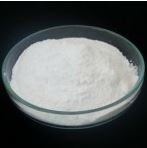
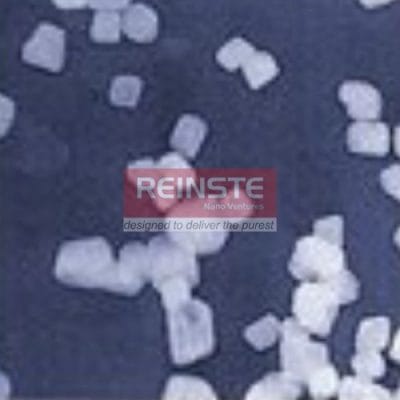
Ready to explore the full potential of CaCO3 Nanoparticles in your next project? Reinste provides premium Nano Calcium Carbonate and other advanced nanomaterials tailored for diverse research and industrial Nano CaCO3 Applications.
Get a Quote Today