
Nano Calcium Carbonate: Revolutionizing Indian R&D and Industrial Applications
Explore the transformative potential of Nano CaCO3 and calcium carbonate nanoparticles in Indian research and industry, driving innovation in advanced nanomaterial synthesis and diverse applications.
Learn MoreIntroduction to Nano Calcium Carbonate: A Paradigm Shift for India
In the dynamic landscape of materials science, Nano CaCO3, or calcium carbonate nanoparticles, stands out as a revolutionary material with unprecedented potential. Unlike its bulk counterpart, the nanoscale dimensions of Nano CaCO3 bestow upon it unique physical and chemical properties, including an exceptionally high surface area, enhanced reactivity, superior mechanical strength, and distinct optical characteristics. This makes it an indispensable component in a myriad of advanced applications across various sectors such as polymers, paints, paper, pharmaceuticals, and environmental remediation. For Indian researchers and professionals, understanding and harnessing the power of these advanced nanomaterials is crucial for driving innovation, fostering self-reliance, and maintaining a competitive edge in global markets. The ability to precisely control particle size and morphology during nanomaterial synthesis opens up a vast array of possibilities for tailoring materials to specific performance requirements.
India's robust R&D infrastructure and burgeoning industrial sector are ripe for the comprehensive integration of advanced nanomaterial synthesis techniques and intensive nanotechnology research. The inherent versatility of Nano CaCO3 allows for its application in everything from enhancing the durability and fire retardancy of plastics and paints to improving the bioavailability in drug delivery systems and augmenting the efficiency of environmental remediation efforts. This blog serves as a comprehensive guide into the multifaceted world of calcium carbonate nanoparticles, meticulously exploring their synthesis methodologies, sophisticated characterization techniques, diverse industrial applications, and the immense opportunities they present for India's scientific and industrial advancement. We aim to provide a humanized, informative, and deeply insightful perspective, tailored specifically to resonate with the aspirations, ongoing research, and practical challenges faced by Indian innovators and industrial leaders.
The journey into the realm of Nano CaCO3 applications is not merely about adopting new materials; it's about fostering a vibrant culture of innovation, promoting sustainable development, and creating high-value products. As we delve into the intricacies of nanomaterial characterization, exploring techniques that reveal the hidden properties of these tiny structures, and highlight the latest nanotech innovations, it becomes unequivocally clear that these minute particles hold the key to colossal advancements. This is particularly true for a nation like India, which is strategically poised for significant technological leaps and aiming for global leadership in advanced materials.
Key Benefits of Nano CaCO3 for Indian Researchers
- Enhanced Material Properties: Nano CaCO3 significantly improves the mechanical strength, impact resistance, and surface finish of polymers and composites, opening new avenues for nano composites research and development.
- Increased Reactivity & Surface Area: The high surface-to-volume ratio of calcium carbonate nanoparticles allows for greater interaction with other materials, crucial for catalysis, adsorption, and drug delivery systems in nanotechnology research.
- Cost-Effectiveness: As a naturally abundant and relatively inexpensive material, Nano CaCO3 offers a cost-effective alternative to more exotic nanomaterials, making advanced nanomaterials accessible for broader research and industrial adoption in India.
- Versatile Functionalization: Its surface can be easily modified to achieve specific functionalities, enabling tailored Nano-CaCO3 applications in diverse fields from biomedical to environmental science.
- Eco-Friendly Solutions: Being non-toxic and biodegradable, Nano CaCO3 contributes to the development of sustainable and environmentally benign products and processes, aligning with India's green initiatives.
- Advancements in Nanomaterial Characterization: Research into Nano CaCO3 pushes the boundaries of nanomaterial characterization techniques, fostering expertise in advanced analytical methods crucial for the entire nanotechnology sector.
- Fueling Nanotech Innovations: Engagement with Nano CaCO3 research stimulates novel ideas and patents, contributing significantly to India's intellectual property in nanotech innovations.
Diverse Industrial Applications of Nano CaCO3 in India
Paints & Coatings
Nano CaCO3 acts as an excellent filler, enhancing opacity, brightness, and rheological properties of paints. It improves scrub resistance and reduces cracking, making it vital for durable and high-performance coatings, especially in India's varied climatic conditions. This is a key area for Nano-CaCO3 applications.
Plastics & Rubber
Incorporating calcium carbonate nanoparticles into plastics and rubber significantly improves their mechanical properties, such as tensile strength, impact strength, and stiffness. It also reduces material costs, making it a preferred choice for nano composites in automotive, packaging, and construction sectors.
Paper Industry
Nano CaCO3 is used as a filler and coating pigment, improving paper brightness, opacity, and printability. It allows for reduced wood pulp usage, contributing to more sustainable paper production methods, a critical aspect for India's burgeoning paper industry.
Pharmaceuticals & Cosmetics
In pharmaceuticals, Nano CaCO3 finds use as a drug delivery vehicle, an excipient, and a calcium supplement due to its biocompatibility. In cosmetics, it's used in sunscreens, powders, and creams for its UV-blocking and texture-enhancing properties, driving nanotechnology research in these areas.
Environmental Remediation
Its high surface area makes Nano CaCO3 effective in adsorbing heavy metals and pollutants from water and wastewater, offering promising solutions for environmental challenges in India. This highlights the importance of advanced nanomaterials in sustainable development.
Agriculture & Food
In agriculture, it can be used for soil amendment and as a slow-release fertilizer. In food, it serves as a calcium fortifier. These Nano-CaCO3 applications are gaining traction for improving crop yield and nutritional value, aligning with India's food security goals.
India's Nanotechnology Landscape: Opportunities and Trends in Nano CaCO3
The comprehensive market analysis of nano CaCO3 in India reveals a rapidly expanding sector, characterized by burgeoning industrial demand and significant government impetus for advanced nanotechnology research. India is strategically investing in enhancing its nanomaterial synthesis and characterization capabilities, recognizing their profound potential to revolutionize various manufacturing and service industries. Leading research institutions and universities across the country are actively engaged in developing novel, cost-effective, and scalable methods for producing calcium carbonate nanoparticles with precisely tailored properties, specifically catering to the diverse and evolving requirements of Indian industries.
A pivotal trend observed in India is the strong focus on sustainable and green synthesis routes for Nano CaCO3. This involves developing processes that minimize environmental impact, reduce energy consumption, and utilize renewable resources, all while maximizing production efficiency. This commitment to eco-friendly practices aligns perfectly with global efforts towards sustainable development and positions India as a proactive leader in developing responsible nanotech innovations. Furthermore, there's a growing emphasis on fostering robust interdisciplinary collaborations between material scientists, chemists, chemical engineers, environmental scientists, and even biologists. Such collaborations are essential to unlock new and groundbreaking Nano-CaCO3 applications in emerging fields like biomedicine, smart textiles, and advanced construction materials.
The demand for nano composites incorporating Nano CaCO3 is also experiencing a significant surge, particularly within the automotive, construction, and packaging industries. These sectors are increasingly seeking materials that offer improved performance characteristics, such as enhanced durability, lighter weight, and superior aesthetic appeal, often at reduced material costs. As nanomaterial characterization techniques become more sophisticated, accessible, and standardized, Indian industries can ensure higher quality control, precise property tuning, and accelerate the development of more advanced and competitive products. This vibrant and supportive ecosystem of fundamental research, applied development, and rapid industrial adoption firmly positions India at the forefront of CaCO3 nanotechnology, promising a future replete with groundbreaking advanced nanomaterials that address both local and global challenges.
Government initiatives, such as the Department of Science & Technology's Nano Mission, are providing crucial funding, state-of-the-art infrastructure support, and policy frameworks for nanotechnology research. This sustained support encourages both fundamental scientific inquiry and applied technological development in critical areas like Nano CaCO3. This supportive environment fosters the growth of innovative startups and empowers established companies to explore, develop, and successfully commercialize cutting-edge nanotech innovations, thereby contributing significantly to India's economic growth, technological self-reliance, and global scientific standing.
Frequently Asked Questions about Nano Calcium Carbonate
Nano CaCO3 refers to calcium carbonate nanoparticles, meaning particles with dimensions typically between 1 and 100 nanometers. The primary difference from regular (bulk) calcium carbonate lies in its vastly increased surface area and quantum effects at the nanoscale. These properties lead to enhanced reactivity, superior mechanical reinforcement capabilities, and unique optical properties, making it suitable for advanced Nano-CaCO3 applications that bulk CaCO3 cannot achieve.
Common methods for nanomaterial synthesis of Nano CaCO3 include precipitation (carbonation method), sol-gel processes, hydrothermal synthesis, and microemulsion techniques. Each method offers control over particle size, morphology, and surface characteristics, which are critical for optimizing Nano-CaCO3 applications. Research in India often focuses on developing cost-effective and scalable synthesis routes.
Nanomaterial characterization is crucial for ensuring the quality and performance of calcium carbonate nanoparticles. Techniques include Transmission Electron Microscopy (TEM) and Scanning Electron Microscopy (SEM) for morphology and size, X-ray Diffraction (XRD) for crystal structure, Brunauer–Emmett–Teller (BET) for surface area, Dynamic Light Scattering (DLS) for particle size distribution in suspension, and Thermogravimetric Analysis (TGA) for thermal stability. These methods are essential for advancing nanotechnology research and industrial quality control.
While Nano CaCO3 is generally considered less toxic than some other nanomaterials, proper safety protocols are essential. This includes using personal protective equipment (PPE) like masks and gloves to prevent inhalation or skin contact, especially when handling powders. Adequate ventilation in labs and industrial settings is also crucial. Researchers involved in nanotechnology research should always consult Material Safety Data Sheets (MSDS) and adhere to local and international guidelines for safe handling of advanced nanomaterials.
Explore Related Nano Calcium Carbonate Products

Calcium Carbonate Nanoparticles (25g)
View Product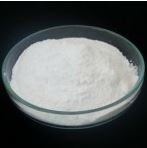
Calcium Carbonate nanoparticles (100g)
View Product
Calcium Carbonate Microparticles, ca. 3um
View Product
Calcium Carbonate Microparticles, ca. 6um
View ProductReady to Advance Your Research with Nano CaCO3?
Discover high-quality calcium carbonate nanoparticles and other advanced nanomaterials for your nanotechnology research and industrial Nano-CaCO3 applications.
Contact Us Today