Nano Calcium Carbonate: Revolutionizing Indian Industries with Nanotechnology
Explore the transformative potential of CaCO3 Nanoparticles and their diverse Nano CaCO3 Uses, driving innovation in research and industry across India.
Explore ApplicationsUnveiling the Potential of Nano Calcium Carbonate in India's R&D and Industry
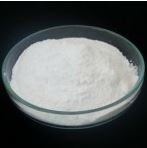
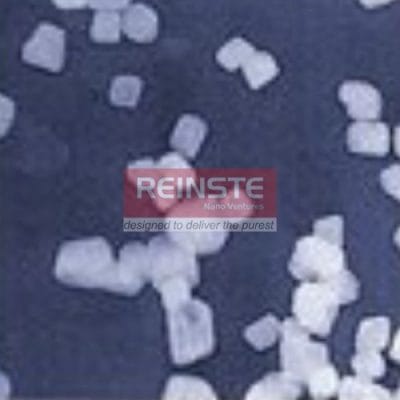
In the rapidly evolving landscape of nanomaterials and advanced nanotechnology products, Nano Calcium Carbonate (CaCO3 Nanoparticles) stands out as a versatile and highly sought-after material. Its unique properties, stemming from its nanoscale dimensions – typically particles less than 100 nanometers in size – open up a plethora of applications across various industries. Unlike conventional, micron-sized calcium carbonate, CaCO3 Nanoparticles exhibit enhanced surface area, higher reactivity, and superior performance characteristics, making them indispensable in modern material science.
For Indian researchers, scientists, and industry professionals, understanding and harnessing the power of Nano CaCO3 Uses is not just an academic pursuit but a crucial step towards driving innovation, enhancing product performance, and fostering sustainable industrial growth. India's vibrant research and development sector, coupled with its burgeoning manufacturing capabilities, presents immense opportunities for the strategic integration of such advanced nanomaterials. From reinforcing state-of-the-art polymers used in automotive and construction sectors to improving the efficiency and bioavailability of pharmaceutical formulations, Nano Calcium Carbonate is poised to play a pivotal role in shaping India's technological future.
This comprehensive blog aims to delve into the fascinating world of CaCO3 Nanoparticles. We will explore their distinctive physical and chemical properties, shed light on their diverse applications across a spectrum of industries, and critically examine the significant impact they can have on India's scientific advancements and industrial progress. Our focus will also be on the specific opportunities and trends relevant to the Indian context, ensuring that this resource is highly informative and actionable for local professionals engaged in nanoparticle research and development.
Key Benefits of Nano Calcium Carbonate for Indian Researchers and Industries
- Enhanced Material Properties: The ultra-fine particle size of Nano Calcium Carbonate allows for better dispersion and stronger interfacial bonding within polymer matrices and other composite materials. This leads to significantly improved mechanical properties such as tensile strength, flexural modulus, impact resistance, and hardness. For instance, in plastics, it can reduce brittleness while maintaining stiffness, making products more durable and extending their lifespan.
- Cost-Effective Filler with Superior Performance: As a naturally abundant and relatively inexpensive nano chemical, CaCO3 Nanoparticles offer a highly economical alternative to more expensive synthetic additives or specialty fillers. Despite its lower cost, it delivers superior performance benefits, allowing industries to reduce raw material costs without compromising on product quality or functionality. This economic advantage is particularly beneficial for cost-sensitive Indian manufacturing sectors.
- Versatile Applications Across Industries: The high surface area-to-volume ratio and fine particle size of Nano Calcium Carbonate make it incredibly versatile. It is suitable for a wide array of Nano CaCO3 Uses, ranging from its traditional roles in paints, paper, and rubber to advanced applications in pharmaceuticals, cosmetics, and even agriculture. This broad applicability provides researchers with a flexible material for diverse experimental designs and product formulations.
- Improved Rheology and Processing: In liquid systems like paints, coatings, and adhesives, CaCO3 Nanoparticles can act as an effective thixotropic agent. They help in controlling viscosity, improving flow properties, preventing pigment settling, and enhancing overall processability. This leads to smoother application, better finish, and reduced manufacturing complexities.
- Eco-Friendly and Sustainable Solutions: Utilizing nanomaterials like Nano Calcium Carbonate can contribute to more sustainable product formulations. Its ability to act as an effective filler can reduce the reliance on petroleum-based polymers, while its natural origin makes it a more environmentally benign choice. This aligns with India's growing focus on green technologies and sustainable development.
- Driving Innovation in Nanoparticle Research: For academic and industrial nanoparticle research in India, Nano Calcium Carbonate serves as a crucial building block. Its ease of modification and functionalization allows scientists to develop novel composite materials with tailor-made properties, opening new avenues for next-generation material science and nanotech applications specific to Indian industrial challenges.
- Enhanced Optical Properties: In applications requiring specific optical characteristics, such as in paper or coatings, Nano Calcium Carbonate can improve brightness, opacity, and whiteness due to its high refractive index and fine particle distribution, making it an excellent pigment extender.
- Improved Barrier Properties: When incorporated into films and packaging materials, CaCO3 Nanoparticles can enhance barrier properties against gases and moisture, thereby extending the shelf life of products, which is particularly relevant for the food and pharmaceutical industries in India.
Diverse Nano CaCO3 Uses Across Key Indian Industries
Polymers & Plastics
In the plastics industry, Nano Calcium Carbonate is a critical reinforcing filler. It significantly enhances mechanical properties such as tensile strength, flexural modulus, and impact resistance of various polymers, including PVC, polypropylene, and polyethylene. This makes it ideal for manufacturing durable automotive parts, robust packaging films, and high-performance construction materials, driving innovation in nanotech applications within the Indian plastics sector.
Paints & Coatings
As a key nanomaterial, CaCO3 Nanoparticles improve the performance of paints and coatings by enhancing opacity, brightness, and whiteness. They also contribute to increased weatherability, abrasion resistance, and anti-settling properties. Furthermore, it can act as a partial replacement for expensive titanium dioxide, offering a cost-effective solution for both decorative and industrial coatings in India.
Rubber & Elastomers
The incorporation of Nano Calcium Carbonate into rubber compounds significantly boosts their mechanical properties. It improves tensile strength, tear resistance, and hardness, while maintaining elasticity. This makes it an invaluable additive for manufacturing high-performance rubber products such as tires, conveyor belts, seals, gaskets, and hoses, thereby strengthening the quality of nanotechnology products in India's rubber industry.
Paper Industry
In the paper industry, Nano Calcium Carbonate is extensively used as both a filler and a coating pigment. It helps to improve the paper's brightness, opacity, smoothness, and printability, while also reducing production costs by replacing more expensive wood pulp. Its fine particle size ensures excellent sheet formation and reduced dusting, making it a sustainable choice for paper manufacturing in India.
Pharmaceuticals & Cosmetics
In the pharmaceutical sector, Nano Calcium Carbonate serves as a versatile excipient, tablet binder, and an active ingredient in calcium supplements due to its high bioavailability. In cosmetics, it is utilized in face powders, creams, and toothpastes for its abrasive, opacifying, and bulking properties. These applications underscore the diverse and critical Nano CaCO3 Uses in health and beauty products.
Agriculture & Environment
Beyond traditional industrial uses, Nano Calcium Carbonate finds application in agriculture as a soil conditioner, helping to adjust soil pH, improve nutrient uptake, and enhance crop yield. It is also used in animal feed as a vital calcium source. Environmentally, it can be employed in water treatment processes for heavy metal removal and pH adjustment, demonstrating the broad utility of Calcium Carbonate Nano in sustainable practices.
Adhesives & Sealants
In adhesives and sealants, CaCO3 Nanoparticles act as a rheology modifier, filler, and reinforcing agent. They improve the viscosity, sag resistance, and mechanical strength of various adhesive formulations, leading to better bonding performance and durability. This is particularly important for construction and automotive industries requiring high-performance bonding solutions.
Food Industry
As a safe and essential mineral, Nano Calcium Carbonate is used as a food additive (E170) and a dietary calcium supplement. Its fine particle size can potentially enhance calcium absorption. It also acts as an anti-caking agent and a white food coloring, providing versatile Nano CaCO3 Uses in food processing and fortification.
India's Nanomaterial Science: Opportunities and Future Trends
The Indian market for nanotechnology products, including advanced nano chemicals like Nano Calcium Carbonate, is experiencing robust growth. This surge is primarily driven by increasing industrialization, significant government support for scientific research and development, and a growing awareness among manufacturers about the performance advantages of advanced materials. Nano Calcium Carbonate, with its compelling combination of cost-effectiveness and superior performance benefits, is positioned at the forefront of this technological expansion.
Indian researchers are actively engaged in cutting-edge nanoparticle research, focusing on developing novel synthesis methods that are both scalable and environmentally friendly. Efforts are also concentrated on surface functionalization techniques to tailor CaCO3 Nanoparticles for highly specialized applications, such as smart coatings, drug delivery systems, and advanced composite materials. Leading institutions like the Indian Institutes of Technology (IITs), Council of Scientific & Industrial Research (CSIR) labs, and various universities are pivotal in these advancements, often collaborating with industrial partners to bridge the gap between lab-scale innovation and commercial production.
Key trends indicate a strong shift towards sustainable and eco-friendly nanomaterials and processes. The demand for Nano Calcium Carbonate is projected to rise significantly in emerging sectors such as biodegradable plastics, green building materials, and advanced agricultural inputs, aligning with global sustainability goals. Furthermore, the Indian government's 'Make in India' and 'Atmanirbhar Bharat' (Self-Reliant India) initiatives are providing substantial impetus to domestic production and utilization of advanced nanomaterials. These policies aim to reduce reliance on imports and foster a self-sustaining ecosystem for nanomaterial science and nanotech applications, positioning India as a significant player on the global nanotechnology stage.
The future outlook for Nano Calcium Carbonate in India is exceptionally promising. Continuous advancements in synthesis, characterization, and application development are expected to lead to new discoveries and innovative product formulations. As industries increasingly seek materials that offer enhanced performance, cost efficiency, and environmental benefits, Calcium Carbonate Nano will undoubtedly solidify its role as a critical component in various high-performance products. This sustained growth will further expand the horizons of Nano CaCO3 Uses, contributing significantly to India's economic growth and technological leadership in the 21st century.
Moreover, the burgeoning automotive and construction sectors in India, alongside the rapidly expanding packaging and healthcare industries, represent major end-users for Nano Calcium Carbonate. The imperative for lighter, stronger, and more durable materials in these sectors ensures a steady and increasing demand for advanced nanomaterials. This robust demand, coupled with a supportive policy environment and a strong research base, creates a fertile ground for the continued evolution and widespread adoption of Nano Calcium Carbonate technology across the nation.
Frequently Asked Questions about Nano Calcium Carbonate


Ready to Innovate with Nano Calcium Carbonate?
Connect with Reinste to explore high-quality CaCO3 Nanoparticles and advanced nanomaterials for your research and industrial needs.
Contact Our Experts