Nano Calcium Carbonate in Polymer Nanocomposites: Applications and Opportunities for Indian Researchers
Unlock the potential of advanced nanomaterials. Explore the transformative impact of Nano CaCO3 on various industries and discover new avenues for research and development in India.
Explore ApplicationsIntroduction to Nano Calcium Carbonate and its Significance
In the rapidly evolving landscape of materials science, Nano Calcium Carbonate (Nano CaCO3) stands out as a revolutionary nano filler, particularly in the realm of polymer nanocomposites. Its exceptional properties, stemming from its nanoscale dimensions, enable it to significantly enhance the mechanical, thermal, and optical characteristics of polymers, opening up a plethora of nanotechnology applications across diverse sectors. For Indian researchers and professionals, understanding and harnessing the potential of Calcium Carbonate Nano is not just an academic pursuit but a strategic imperative for industrial innovation and competitive advantage.
Unlike traditional micro-scale fillers, the high surface area-to-volume ratio and unique surface chemistry of Nano CaCO3 allow for superior dispersion within polymer matrices, leading to a more homogeneous composite material. This fine dispersion is critical for achieving the desired property enhancements, making Nano CaCO3 a preferred choice for high-performance applications. The global market for nanomaterials is booming, and India, with its robust R&D infrastructure and a growing manufacturing base, is poised to become a significant player in the Nano Chemicals Industry.
India's robust R&D ecosystem and burgeoning industrial sector are ripe for the integration of advanced nanomaterials research. The demand for high-performance, sustainable, and cost-effective materials is driving a surge in interest in Nano CaCO3 in plastics and other composite materials. This blog delves into the multifaceted aspects of Nanoparticle Science, exploring how these tiny particles are making a giant impact, and highlighting the specific opportunities and challenges for the Nano Chemicals Industry in India.
From automotive components to packaging solutions, and from construction materials to biomedical devices, the versatility of Nano CaCO3 as a nano filler is transforming traditional manufacturing processes. This comprehensive guide aims to provide a humanized and informative perspective, catering to the needs of Indian professionals seeking to leverage nano engineering principles for real-world applications and to stay abreast of the latest developments in advanced nanomaterials. The ability to tailor the surface chemistry of Nano CaCO3 further expands its utility, allowing for optimized compatibility with various polymer systems and specific application requirements.
Key Benefits of Nano Calcium Carbonate for Researchers and Industry
- Enhanced Mechanical Properties: Nano CaCO3 significantly improves tensile strength, impact resistance, and stiffness of polymers, making them more durable and robust. This is crucial for applications requiring high-performance materials such as automotive parts, construction composites, and durable consumer goods. The nanoscale dispersion effectively hinders crack propagation, leading to superior toughness.
- Improved Thermal Stability: Incorporating Calcium Carbonate Nano particles can elevate the heat distortion temperature of polymer composites, allowing them to withstand higher operating temperatures without degradation. This property is vital for components exposed to heat, extending their service life and enhancing overall product reliability.
- Reduced Material Costs: As a cost-effective nano filler, Nano CaCO3 can partially replace more expensive polymer resins, leading to significant cost savings in manufacturing without compromising performance. This economic advantage makes it highly attractive for large-scale industrial applications in India.
- Enhanced Surface Finish and Processability: The fine particle size of Nano CaCO3 contributes to a smoother surface finish in molded products, reducing the need for post-processing. Furthermore, it can improve the flow properties of polymer melts during injection molding or extrusion, leading to faster cycle times and reduced energy consumption, showcasing efficient nano engineering.
- Increased Opacity and Whiteness: For applications requiring specific optical properties, Nano CaCO3 can enhance opacity and whiteness, which is particularly beneficial in paints, coatings, paper, and certain plastic products where aesthetic appeal and light blocking are important.
- Improved Barrier Properties: In packaging applications, the tortuous path created by well-dispersed Nano CaCO3 particles can significantly improve the barrier properties of polymers against gases and moisture, extending the shelf life of perishable goods. This is a critical aspect of nanotechnology applications in food and pharmaceutical packaging.
- Versatility and Surface Modifiability: Its compatibility with a wide range of polymers makes Nano Calcium Carbonate an incredibly versatile material. Moreover, its surface can be easily modified with various coupling agents to further enhance its dispersion and interfacial adhesion with specific polymer matrices, optimizing performance for diverse nanotechnology applications.
Diverse Applications of Nano CaCO3 in Indian Industries
Plastics and Packaging
The use of nano calcium carbonate in plastics is widespread, improving the mechanical strength, stiffness, and impact resistance of various plastic products. From automotive interior parts like dashboards and door panels to consumer goods such as appliance housings and food packaging films, Nano CaCO3 enhances durability, reduces material consumption, and provides a smoother finish. It's particularly effective in polyolefins (PP, PE), PVC, and engineering plastics, forming robust Polymer Nanocomposites crucial for India's growing manufacturing sector.
Paints and Coatings
Nano Calcium Carbonate acts as an excellent extender and rheology modifier in paints and coatings. Its fine particle size allows for high loading without significantly increasing viscosity, improving scratch resistance, opacity, brightness, and overall film integrity. This makes it invaluable for architectural paints, industrial coatings, automotive finishes, and even specialized anti-corrosion coatings, showcasing significant nanotechnology applications that enhance product performance and longevity.
Rubber and Elastomers
In rubber and elastomer compounds, Nano CaCO3 serves as a reinforcing nano filler, enhancing tensile strength, tear strength, and abrasion resistance. It's crucial for improving the performance of tires, conveyor belts, seals, gaskets, and other flexible components where resilience and longevity are critical. The small particle size and large surface area contribute to better filler-matrix interaction, leading to superior mechanical properties, a testament to advanced Nanoparticle Science.
Adhesives and Sealants
The fine particle size and high surface area of Calcium Carbonate Nano improve the rheological properties and mechanical strength of adhesives and sealants. It aids in controlling viscosity, reducing shrinkage during curing, and enhancing bond strength and flexibility. This makes it vital for construction adhesives, automotive sealants, and various industrial bonding applications, highlighting the versatility of Advanced Nanomaterials in critical assembly processes.
Paper Industry
Nano CaCO3 is extensively used as a filler and coating pigment in the paper industry. It significantly improves brightness, opacity, smoothness, and printability of paper, while also allowing for a reduction in wood pulp consumption. This not only enhances the quality of paper products but also contributes to more sustainable and cost-effective paper manufacturing processes, making it a cornerstone for the Nano Chemicals Industry in this sector.
Biomedical Applications
Emerging research explores Nano CaCO3 for drug delivery systems, where its biocompatibility and ability to encapsulate active compounds are highly advantageous. It is also being investigated for bone tissue engineering as a scaffold material due to its similarity to natural bone mineral, and as a biocompatible filler in medical composites. Its non-toxic nature and ability to interact at the cellular level make it a promising material for future innovations in healthcare, a cutting-edge field of Nanomaterials Research.
Agriculture and Food Industry
Beyond industrial materials, Nano Calcium Carbonate is finding its way into agriculture for soil amendment and as a nutrient supplement. In the food industry, it can be used as a food additive (E170) for whitening, as an anti-caking agent, and as a dietary calcium supplement, particularly in fortified foods. These applications highlight the broad spectrum of nanotechnology applications and its impact on everyday life.
Water Treatment
The high surface area of Nano CaCO3 makes it an effective adsorbent for various pollutants in water treatment processes. It can be utilized to remove heavy metals, dyes, and other organic contaminants from wastewater, offering a cost-effective and efficient solution for environmental remediation. This is a critical area for nano engineering solutions in addressing India's water challenges.
Emerging Opportunities and Trends for Nano CaCO3 in India
The Indian market for Nano Calcium Carbonate is poised for significant growth, driven by increasing industrialization, a focus on advanced manufacturing, and a strong emphasis on research and development. Several key trends are shaping this landscape, presenting immense opportunities for researchers, manufacturers, and investors in the Nano Chemicals Industry:
Growing Demand in Automotive and Construction Sectors
With the "Make in India" initiative and robust infrastructure development, the automotive and construction sectors are experiencing unprecedented growth. This translates into a higher demand for high-performance polymer nanocomposites that are lighter, stronger, and more durable. Nano CaCO3 plays a crucial role in meeting these requirements, particularly in reducing vehicle weight for fuel efficiency, enhancing the longevity of construction materials like PVC pipes and profiles, and improving the aesthetics of interior components. This directly fuels the need for more sophisticated Nano Fillers and innovative nanotechnology applications.
Focus on Sustainable and Green Technologies
India is increasingly prioritizing sustainable development and circular economy principles. Nano Calcium Carbonate, being an abundant and naturally occurring mineral, offers an eco-friendly alternative to synthetic fillers, reducing reliance on petroleum-based products. Its application in biodegradable plastics, sustainable packaging solutions, and eco-friendly paints aligns perfectly with India's green initiatives, fostering innovation in Nanotechnology Applications that are environmentally conscious. Researchers are actively exploring methods to synthesize Calcium Carbonate Nano using waste materials, further enhancing its sustainability profile.
Advancements in Nanomaterials Research and Development
Indian academic institutions and research organizations are actively engaged in cutting-edge Nanomaterials Research. This includes exploring novel synthesis methods for Nano CaCO3 with controlled morphology and size, developing advanced surface modification techniques to improve dispersibility and compatibility with various polymers, and investigating new applications in fields like smart materials and energy storage. Collaborations between industry and academia are accelerating the commercialization of these Advanced Nanomaterials, creating a vibrant ecosystem for Nanoparticle Science and Nano Engineering, positioning India as a leader in this domain.
Expansion of the Nano Chemicals Industry and Supply Chain
The Nano Chemicals Industry in India is witnessing significant expansion, with both domestic and international players investing in production and R&D facilities. This growth ensures a steady supply of high-quality Nano CaCO3 and related nano fillers, making them more accessible and affordable for various industrial applications. The increasing sophistication of the supply chain, coupled with stringent quality control measures, ensures that Indian manufacturers have access to world-class Calcium Carbonate Nano products, facilitating greater adoption across sectors. Furthermore, the development of indigenous production capabilities reduces reliance on imports, strengthening India's self-reliance in advanced materials.
Government Support and Funding Initiatives
The Indian government, through various ministries and departments like the Department of Science & Technology (DST) and the Council of Scientific & Industrial Research (CSIR), is actively supporting Nanomaterials Research and Nanotechnology Applications. Funding programs, research grants, and the establishment of dedicated nanotechnology centers are encouraging innovation and fostering a skilled workforce. These initiatives are crucial for translating laboratory breakthroughs into industrial products and for ensuring India remains at the forefront of Nano Engineering and Advanced Nanomaterials development.
Frequently Asked Questions about Nano Calcium Carbonate
What is Nano Calcium Carbonate (Nano CaCO3)?
How does Nano CaCO3 enhance polymer properties?
What are the primary applications of Nano CaCO3 in India?
Is Nano CaCO3 environmentally friendly?
What are the challenges in working with Nano CaCO3?

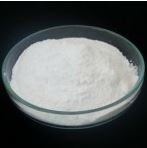

Ready to Integrate Nano CaCO3 into Your Research or Industry?
Connect with our experts to discover tailored solutions and high-quality Nano Calcium Carbonate products for your specific needs. Leverage the power of advanced nanomaterials and nano engineering to drive your innovations forward.
Contact Us Today