Nano CaCO3: Unlocking the Potential of Calcium Carbonate Nanoparticles in Indian Research & Industry
Discover how the unique properties of Nano CaCO3 are revolutionizing material science and opening new avenues for innovation across India's burgeoning research and industrial landscape.
Explore NowIntroduction to Nano Calcium Carbonate: A Game Changer for India
In the rapidly evolving landscape of material science, nanoparticles have emerged as a cornerstone for innovation, and among them, Nano Calcium Carbonate (Nano CaCO3) stands out as a material of immense promise. Comprising ultra-fine particles of calcium carbonate, typically ranging from 1 to 100 nanometers, Nano CaCO3 exhibits significantly enhanced properties compared to its bulk counterpart. This dramatic shift in characteristics at the nanoscale — including increased surface area, improved reactivity, and novel optical and mechanical attributes — makes it an invaluable asset for a myriad of applications. For Indian researchers and professionals, understanding and harnessing the power of Nano CaCO3 is not just an academic pursuit but a strategic imperative. India's robust growth in sectors like automotive, construction, plastics, and pharmaceuticals, coupled with a strong emphasis on indigenous research and development, positions Nano CaCO3 as a key enabler for advanced materials and sustainable solutions. This article delves into the fascinating world of Nano CaCO3, exploring its fundamental properties, diverse applications, and the burgeoning opportunities it presents for India's scientific and industrial future. We will discuss how these tiny particles are making a colossal impact, from reinforcing polymers to delivering drugs, and how Indian innovation is at the forefront of this nanomaterial revolution. The exploration of Nano CaCO3 is vital for those engaged in material science, chemical research, and nanotechnology, offering insights into advanced materials and nano synthesis techniques that are shaping the next generation of products and processes.
Key Benefits of Nano CaCO3 for Researchers and Industry
Enhanced Mechanical Properties
Significantly improves the tensile strength, impact resistance, and stiffness of polymers and composites, making materials more durable and versatile.
Superior Surface Area
The high surface-to-volume ratio of Nano CaCO3 allows for better interaction with other materials, enhancing reactivity and dispersion in formulations.
Improved Optical Properties
Can be used as a high-performance filler in transparent materials, offering good light transmission while maintaining mechanical integrity.
Cost-Effectiveness and Sustainability
As a derivative of abundant natural resources, Nano CaCO3 offers an economical alternative to other nanomaterials, contributing to more sustainable product development.
Versatile Rheology Modifier
Acts as an excellent rheological additive in paints, coatings, and sealants, improving flow characteristics, anti-settling, and thixotropy.
Biocompatibility
Its inherent biocompatibility makes it suitable for various biomedical and pharmaceutical applications, including drug delivery systems and bone tissue engineering.
Fire Retardancy
Contributes to the fire-retardant properties of materials by releasing CO2 upon decomposition, which helps to dilute flammable gases and form a char layer.
Reduced Material Usage
Due to its high efficiency at low loading levels, Nano CaCO3 can help reduce the overall material consumption in various formulations.
Environmental Applications
Potential for use in water treatment and CO2 capture technologies due to its high surface area and reactivity.
Diverse Applications of Nano CaCO3 Across Indian Industries
Polymers and Plastics
Nano CaCO3 is widely used as a reinforcing filler in various polymers such as PVC, polypropylene, polyethylene, and rubber. It enhances mechanical strength, stiffness, impact resistance, and surface finish, while also reducing material costs. In India, the booming plastics industry, from packaging to automotive components, benefits immensely from these advanced fillers, enabling lighter, stronger, and more cost-effective products.
Paints and Coatings
In the coatings industry, Nano CaCO3 acts as a functional filler, improving rheological properties, scrub resistance, gloss retention, and opacity. Its fine particle size allows for smooth finishes and high filler loading without compromising film integrity. Indian paint manufacturers are increasingly adopting Nano CaCO3 to produce high-performance, durable, and aesthetically pleasing paints for architectural, industrial, and automotive applications.
Adhesives and Sealants
Nano CaCO3 enhances the strength, viscosity, and thixotropy of adhesives and sealants. It improves bond strength, reduces shrinkage, and provides better sag resistance, making these products more reliable and easier to apply. This is particularly valuable in construction and automotive assembly in India, where robust and long-lasting bonding solutions are crucial.
Pharmaceuticals and Biomedical
Due to its biocompatibility and non-toxicity, Nano CaCO3 is being explored for drug delivery systems, bone tissue regeneration, and as a component in dental materials. Its high surface area can facilitate drug loading and controlled release. Indian pharmaceutical research is actively investigating these applications, aiming to develop innovative therapeutic solutions.
Paper Industry
In paper manufacturing, Nano CaCO3 serves as a filler and coating pigment, improving paper brightness, opacity, printability, and reducing wood pulp consumption. This leads to higher quality paper products and more sustainable production processes, benefiting India's large paper and packaging sector.
Construction Materials
Nano CaCO3 can be incorporated into concrete and cement to improve their mechanical properties, reduce permeability, and enhance durability. It contributes to the development of high-performance concrete, which is essential for India's rapidly expanding infrastructure projects, leading to stronger and more resilient buildings and bridges.
Agriculture
Emerging applications include controlled release of fertilizers and pesticides, and as a soil amendment to improve soil structure and nutrient availability. This offers potential for enhancing agricultural productivity and sustainability in India.
Nano CaCO3: Opportunities and Emerging Trends in India
India's journey in nanotechnology is marked by rapid advancements and a growing emphasis on indigenous innovation, making the field of Nano CaCO3 particularly fertile for research and industrial growth. The 'Make in India' initiative, coupled with significant government funding for science and technology, provides a robust ecosystem for the development and commercialization of nanomaterials. Indian academic institutions and research labs are actively engaged in nano synthesis, exploring novel methods for producing high-quality Nano CaCO3 with tailored properties. Collaborations between universities and industries are fostering the translation of laboratory breakthroughs into market-ready products, especially in advanced materials.
A key trend in India is the focus on sustainable and green nanotechnology. Researchers are exploring eco-friendly synthesis routes for Nano CaCO3, minimizing environmental impact and promoting circular economy principles. The demand for Nano CaCO3 is surging in sectors like automotive, construction, and packaging, driven by the need for lighter, stronger, and more energy-efficient materials. For instance, the automotive industry's push for vehicle lightweighting to improve fuel efficiency directly benefits from Nano CaCO3's reinforcing capabilities in composites.
Furthermore, the healthcare sector in India is witnessing increased interest in Nano CaCO3 for drug delivery and biomedical applications, leveraging its biocompatibility. The agricultural sector is also a burgeoning area, with research into Nano CaCO3 as a smart fertilizer and pesticide carrier. These developments underscore the vast opportunities for Indian researchers and professionals to contribute to and benefit from the Nano CaCO3 revolution, positioning India as a global leader in nanomaterials and nanotechnology applications.
Frequently Asked Questions About Nano CaCO3
Explore Related Products

Calcium Carbonate Nanoparticles (25g)
View Product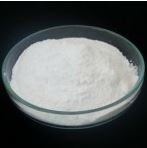
Calcium Carbonate nanoparticles (100g)
View Product
Calcium Carbonate Microparticles, ca. 3um
View Product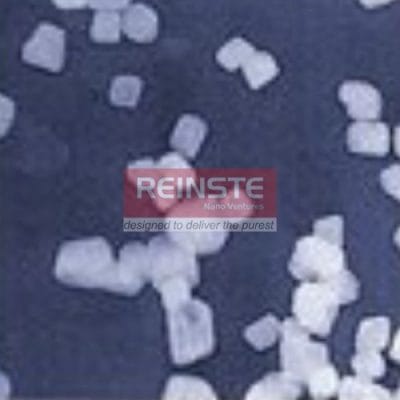
Calcium Carbonate microparticles (ca. 2-3 μm)
View ProductReady to Advance Your Research with Nano CaCO3?
Connect with our experts to explore high-quality Nano CaCO3 products and bespoke solutions for your specific applications.
Get in Touch Today