
Nano CaCO3: Unlocking the Potential of Calcium Carbonate Nanoparticles in Indian R&D
Delve into the fascinating world of Nano CaCO3, exploring its unique properties and diverse applications that are revolutionizing research and industry across India.
Explore NowIntroduction to Nano CaCO3: A Game-Changer for Indian R&D
In the rapidly evolving landscape of materials science, nanoparticles have emerged as pivotal components, offering unprecedented opportunities across various sectors. Among these, Nano Calcium Carbonate (Nano CaCO3) stands out due to its unique blend of properties, cost-effectiveness, and versatility. For Indian researchers and professionals, understanding and harnessing the power of Nano CaCO3 is not just an academic pursuit but a strategic imperative for innovation and industrial advancement.
Calcium carbonate (CaCO3) is one of the most abundant minerals on Earth, found in rocks, shells, and pearls. While its macroscopic forms have been utilized for centuries, reducing CaCO3 to the nanoscale unlocks a new realm of possibilities. Nanoparticles typically range from 1 to 100 nanometers in size, and at this scale, materials exhibit distinct physical and chemical properties compared to their bulk counterparts. Nano CaCO3, with its high surface area-to-volume ratio, enhanced reactivity, and tunable characteristics, is at the forefront of this nanomaterial revolution.
The relevance of Nano CaCO3 to Indian R&D and industry is profound. India's burgeoning manufacturing sector, coupled with a strong emphasis on sustainable development and technological self-reliance, creates a fertile ground for the adoption of advanced nanomaterials. From enhancing the performance of plastics and paints to revolutionizing drug delivery systems and environmental remediation, Nano CaCO3 offers solutions that are both innovative and economically viable. This blog post aims to provide a comprehensive overview, tailored for the Indian context, exploring the synthesis, characterization, applications, and future trends of Nano CaCO3.
As India strives for global leadership in science and technology, the strategic integration of nanomaterials like Nano CaCO3 into research and industrial processes will be crucial. This material promises not only to improve existing products and processes but also to inspire the creation of entirely new ones, driving economic growth and addressing critical societal needs.
Key Benefits of Nano CaCO3 for Indian Researchers
- Enhanced Reactivity and Surface Area: Nano CaCO3 boasts an exceptionally high surface area, leading to increased reactivity and better interaction with other materials. This is crucial for applications requiring rapid chemical reactions or strong interfacial adhesion, such as in catalysis or composite materials.
- Improved Mechanical Properties: When incorporated into polymers, plastics, or coatings, Nano CaCO3 can significantly enhance mechanical properties like tensile strength, impact resistance, and stiffness, making materials more durable and versatile.
- Optical Properties Modification: Due to its nanoscale dimensions, Nano CaCO3 can be used to modify the optical properties of materials, influencing transparency, opacity, and gloss, which is valuable in paints, coatings, and specialized optical films.
- Rheological Control: As a filler, Nano CaCO3 can act as a rheology modifier, influencing the flow behavior of liquids and pastes. This is particularly useful in formulations for paints, sealants, and adhesives, allowing for better processability and application.
- Biocompatibility and Biodegradability: Calcium carbonate is naturally occurring and biocompatible, making its nanoparticles suitable for biomedical applications, including drug delivery, bone tissue engineering, and as a component in biodegradable polymers.
- Cost-Effectiveness: Compared to many other nanomaterials, Nano CaCO3 is relatively inexpensive to produce, making it an attractive option for large-scale industrial applications and for researchers working within budget constraints.
- Environmental Applications: Its high adsorption capacity makes Nano CaCO3 effective in environmental remediation, such as removing heavy metals and pollutants from water, aligning with India's growing focus on environmental sustainability.
- Versatile Synthesis Methods: Researchers can explore various synthesis routes, including precipitation, carbonation, and sol-gel methods, allowing for precise control over particle size, morphology, and surface chemistry to tailor properties for specific applications.
Industrial Applications of Calcium Carbonate Nanoparticles in India
Plastics and Polymers
Nano CaCO3 is widely used as a filler in plastics and polymers to improve mechanical strength, stiffness, impact resistance, and surface finish. It also helps reduce material costs, making it invaluable for the automotive, packaging, and construction industries in India.
Paints and Coatings
In paints and coatings, Nano CaCO3 acts as an extender, improving opacity, brightness, and rheological properties. It enhances scratch resistance and durability, crucial for architectural, industrial, and automotive coatings, offering superior finish and longevity.
Adhesives and Sealants
The addition of Nano CaCO3 to adhesives and sealants improves their strength, viscosity, and curing characteristics. It enhances bonding performance and reduces shrinkage, making these products more reliable for various assembly and sealing applications.
Paper Industry
Nano CaCO3 serves as a filler and coating pigment in the paper industry, improving paper brightness, opacity, smoothness, and printability. It also helps reduce wood pulp consumption, contributing to more sustainable paper production methods.
Pharmaceuticals and Cosmetics
Given its biocompatibility, Nano CaCO3 is explored in drug delivery systems, as a bone scaffold material, and in various cosmetic formulations. Its fine particle size allows for better absorption and dispersion in these sensitive applications.
Environmental Remediation
With its high adsorption capacity, Nano CaCO3 is an effective agent for removing heavy metals, dyes, and other pollutants from wastewater, offering an eco-friendly solution for industrial effluent treatment and water purification in India.
India-Specific Opportunities and Emerging Trends in Nano CaCO3 Research
The landscape for Nano CaCO3 research and application in India is vibrant and full of potential. With government initiatives like "Make in India" and a strong push for indigenous research and development, the demand for advanced materials is steadily increasing. Indian researchers are uniquely positioned to contribute significantly to this field, focusing on sustainable synthesis methods and novel applications tailored to local needs.
One key trend is the development of greener synthesis routes for Nano CaCO3. Traditional methods can be energy-intensive or involve hazardous chemicals. Indian research institutions are exploring bio-inspired synthesis, utilizing agricultural waste or biomineralization processes to produce Calcium Carbonate Nanoparticles with reduced environmental impact. This aligns perfectly with India's commitment to sustainable development goals.
Another significant opportunity lies in the characterization of nano calcium carbonate for specific industrial requirements. Understanding the precise morphology, size distribution, and surface chemistry of CaCO3 Nanoparticles is crucial for optimizing their performance in various end-use applications. Advanced analytical techniques and collaborations between academia and industry are driving this focus.
The agricultural sector also presents immense potential. Nanocalcium Carbonate can be explored as a soil conditioner, a nutrient delivery system, or even as a pesticide carrier, offering innovative solutions to improve crop yield and reduce chemical usage, directly benefiting Indian farmers.
Furthermore, the integration of Nano CaCO3 into smart materials and sensors is an emerging area. Its unique Nanomaterial Properties can be leveraged to create responsive materials for environmental monitoring, healthcare diagnostics, and advanced electronics, positioning India at the forefront of Nanotechnology Chemicals research.
Finally, the growing awareness and demand for high-performance, durable, and eco-friendly products across industries like construction, automotive, and packaging are fueling the adoption of Nano Powder additives. Indian manufacturers are increasingly looking for indigenous sources and expertise in Nanoparticle Synthesis to reduce import reliance and foster local innovation in CaCO3 Applications.
Frequently Asked Questions about Nano CaCO3

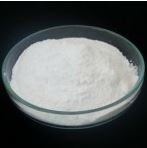

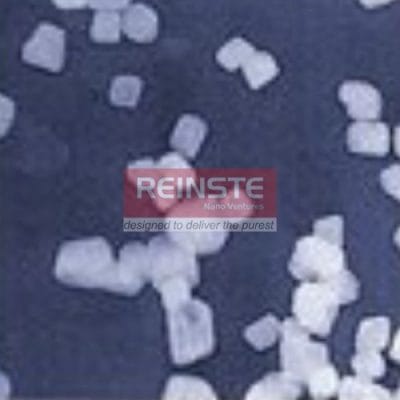
Ready to Advance Your Research with Nano CaCO3?
Connect with our experts to explore high-quality Calcium Carbonate Nanoparticles and other advanced nanomaterials tailored for your specific needs.
Get in Touch Today