
Nano CaCO3: Unlocking Advanced Applications for Indian Research and Industry
Explore the transformative world of Nano Calcium Carbonate and its diverse applications, offering a comprehensive guide for Indian researchers and professionals.
Explore ApplicationsIntroduction to Nano CaCO3: A Game-Changer for Indian R&D
In the dynamic landscape of material science and nanotechnology, Nano CaCO3, or Nano Calcium Carbonate, stands out as a material of immense potential. These nanoparticles, with dimensions typically less than 100 nanometers, exhibit properties far superior to their conventional micron-sized counterparts. Their high surface area, unique crystal structures, and enhanced reactivity make them indispensable in a myriad of advanced applications. For Indian researchers and professionals, understanding and harnessing the power of nanomaterials like Nano CaCO3 is crucial for driving innovation and maintaining a competitive edge in global markets.
The relevance of Nano CaCO3 to Indian R&D and industry cannot be overstated. From enhancing the performance of everyday products to enabling breakthroughs in high-tech sectors, these nano chemicals are at the forefront of the materials revolution. India's burgeoning scientific community and robust industrial base are uniquely positioned to leverage these advancements. This comprehensive guide aims to shed light on the multifaceted aspects of Nano Calcium Carbonate, exploring its benefits, diverse applications, and the exciting opportunities it presents for the Indian ecosystem. We will delve into how nanotechnology is transforming various sectors and why Nano CaCO3 is a key player in this transformation, all while emphasizing the importance of a reliable safety data sheet nano caco3 for responsible research and development.
The journey into the nanoscale world of Calcium carbonate nanoparticles promises not just incremental improvements but often revolutionary changes. As the demand for high-performance, sustainable, and cost-effective materials grows, Nano CaCO3 offers solutions that address these complex challenges. Its versatility makes it a cornerstone for material science research, enabling the development of next-generation products and processes.
Key Benefits of Nano CaCO3 for Indian Researchers
For researchers and scientists in India, incorporating Nano CaCO3 into their studies and product development offers a multitude of advantages. These nanoparticles are not merely smaller versions of conventional calcium carbonate; they possess enhanced characteristics that can significantly impact experimental outcomes and industrial processes.
- Enhanced Mechanical Properties: Nano CaCO3 significantly improves the strength, stiffness, and impact resistance of polymers, plastics, and rubber, making it an ideal filler for advanced composites. This is crucial for industries aiming for lighter yet stronger materials.
- Superior Optical Properties: Due to their small particle size, Calcium carbonate nanoparticles can enhance the brightness, opacity, and whiteness of paper, paints, and coatings without compromising gloss or printability.
- Improved Rheology and Processing: In liquid systems like paints, sealants, and adhesives, Nano CaCO3 acts as an effective rheology modifier, improving flow characteristics, reducing sag, and facilitating easier processing.
- High Surface Area and Reactivity: The large surface area of nanomaterials allows for greater interaction with other substances, which is beneficial in catalysis, adsorption, and chemical synthesis, opening new avenues for nano research.
- Cost-Effectiveness: Despite their advanced properties, Nano CaCO3 can often be a more cost-effective alternative to other high-performance fillers, enabling industries to produce superior products at competitive prices.
- Biocompatibility: Certain forms of Nano CaCO3 exhibit excellent biocompatibility, making them suitable for applications in pharmaceuticals, drug delivery systems, and cosmetics, areas of growing interest in Indian biotech and pharma sectors.
- Environmental Applications: Researchers are exploring Nano CaCO3 for water treatment, CO2 capture, and other environmental remediation efforts due to its adsorption capabilities and non-toxicity.
These benefits underscore why Nano CaCO3 is a material of choice for cutting-edge nanotechnology and nano applications, providing Indian industries and research institutions with powerful tools for innovation and sustainable development. Always refer to the safety data sheet nano caco3 for proper handling guidelines.
Diverse Industrial Applications of Nano CaCO3
The unique characteristics of Nano CaCO3 translate into a wide array of practical applications across various industries, making it a highly sought-after nanomaterial. Its versatility allows for significant improvements in product performance and manufacturing efficiency.
Plastics & Rubber Industry
Nano CaCO3 is a superior filler for plastics and rubber, enhancing tensile strength, impact resistance, and surface finish. It reduces material costs while improving processability, crucial for automotive parts, packaging, and consumer goods. Its use in nanomaterials for these sectors is rapidly expanding across India.
Paints & Coatings
As a functional filler, Calcium carbonate nanoparticles improve opacity, brightness, and weatherability of paints and coatings. It also enhances rheological properties, preventing settling and improving application, making it a key ingredient in high-performance architectural and industrial coatings.
Paper Industry
Nano CaCO3 is increasingly used in papermaking to improve opacity, brightness, and printability, while also reducing wood pulp consumption. This contributes to more sustainable and higher-quality paper products, a significant area for nano applications in India.
Pharmaceuticals & Cosmetics
With its biocompatibility, Nano CaCO3 is gaining traction in pharmaceutical formulations as an excipient, drug delivery vehicle, and in cosmetics for UV protection and as a mild abrasive. This area presents significant nano research opportunities for Indian pharma.
Environmental Remediation
Nano CaCO3 shows promise in environmental applications, including wastewater treatment as an adsorbent for heavy metals and dyes, and in carbon capture technologies. This aligns with India's growing focus on sustainable environmental solutions.
Adhesives & Sealants
In adhesives and sealants, Nano CaCO3 improves mechanical strength, adhesion, and thixotropy, contributing to more durable and efficient bonding solutions. This is a vital area for chemical synthesis and formulation.
The broad spectrum of nano applications for Nano CaCO3 highlights its pivotal role in advancing various industrial sectors, both globally and within India. Adherence to safety protocols, including consulting the safety data sheet nano caco3, is paramount in all these applications.
India's Nanotechnology Landscape: Opportunities and Trends with Nano CaCO3
India is rapidly emerging as a hub for nanotechnology research and development, with significant government support and a growing pool of scientific talent. The market for nanomaterials, including Nano CaCO3, is experiencing robust growth, driven by increasing industrial demand and innovative nano research initiatives. This section explores the specific opportunities and trends shaping the future of Nano Calcium Carbonate in the Indian context.
Growing Demand in Key Indian Industries
The demand for high-performance nano chemicals like Nano CaCO3 is escalating across India's manufacturing sectors. The automotive industry, for instance, is increasingly adopting nanoparticles to produce lighter and more fuel-efficient vehicles. Similarly, the construction sector is exploring Nano CaCO3 for enhanced concrete and building materials. The packaging industry also benefits from its barrier properties and strength improvements. This sustained demand creates significant opportunities for local production and supply of Calcium carbonate nanoparticles, reducing reliance on imports and fostering self-reliance.
Government Initiatives and Funding for Nano Research
The Indian government has recognized the strategic importance of nanotechnology and has launched several initiatives to promote nano research. Funding agencies and research councils are actively supporting projects focused on the synthesis, characterization, and application of nanomaterials. This includes grants for academic institutions and collaborations with industry, accelerating the development of indigenous solutions involving Nano CaCO3 and other advanced materials. Such support is vital for establishing India as a leader in material science.
Emphasis on Sustainability and Green Nanotechnology
A significant trend in India is the focus on sustainable and environmentally friendly nanotechnology. Researchers are actively working on developing greener synthesis routes for Nano CaCO3 and exploring its applications in environmental remediation, such as water purification and pollution control. This aligns with India's national goals for environmental protection and sustainable development, making nano applications in this domain particularly promising.
Collaborative Ecosystem for Innovation
The Indian ecosystem is fostering greater collaboration between academia, research institutions, and industry. This synergy is crucial for translating laboratory breakthroughs in Nano CaCO3 and other nanomaterials into marketable products and processes. Platforms like Reinste and Hiyka play a pivotal role in connecting researchers with high-quality nano chemicals and facilitating knowledge exchange, ensuring that the latest advancements in chemical synthesis and nano applications are accessible to the wider scientific community. Awareness about the safety data sheet nano caco3 is also being emphasized across all collaborative projects.
These trends collectively paint a bright future for Nano CaCO3 in India, positioning it as a critical component in the nation's journey towards advanced manufacturing and scientific excellence.
Frequently Asked Questions about Nano CaCO3
Nano CaCO3, or Nano Calcium Carbonate, refers to calcium carbonate particles engineered to be in the nanoscale range, typically between 1 and 100 nanometers. Due to their extremely small size, these nanoparticles exhibit unique physical and chemical properties compared to their bulk counterparts, making them highly valuable in various advanced applications across industries like polymers, coatings, pharmaceuticals, and cosmetics. They are a crucial component of modern nanomaterials.
In India, Nano CaCO3 finds extensive applications in diverse sectors. It is widely used as a filler in plastics and rubber industries to enhance mechanical properties, as a rheology modifier and pigment in paints and coatings, and in the paper industry for improved brightness and opacity. Furthermore, its biocompatibility makes it suitable for pharmaceutical excipients and cosmetic formulations. Indian researchers are also exploring its use in environmental remediation and advanced material science.
Yes, a comprehensive Safety Data Sheet (SDS) for Nano CaCO3 is essential and readily available from reputable suppliers like Reinste. An SDS provides critical information regarding the safe handling, storage, and disposal of Nano Calcium Carbonate nanoparticles, including potential hazards, first-aid measures, and exposure controls. Researchers and industrial professionals are strongly advised to consult the SDS before working with any nanomaterials to ensure workplace safety and compliance with regulations.
The primary difference lies in particle size. Regular or micro-sized Calcium Carbonate has particles typically in the micrometer range, while Nano CaCO3 has particles in the nanometer range. This size difference leads to a significantly higher surface area-to-volume ratio for nanoparticles, resulting in enhanced reactivity, better dispersion, improved mechanical reinforcement in composites, and unique optical properties. These superior characteristics make Nano CaCO3 a preferred choice for high-performance nano applications in nanotechnology.
For Indian researchers and professionals seeking high-quality Nano CaCO3 and a wide range of other nanomaterials, Reinste and Hiyka are trusted platforms. They offer a curated selection of nano chemicals and advanced materials, ensuring product authenticity, purity, and providing necessary technical documentation, including safety data sheets. You can explore their extensive catalog and connect with their experts for your specific nano research and industrial needs.
Related Products: Explore Our Calcium Carbonate Range
Discover high-quality Nano CaCO3 and related Calcium carbonate nanoparticles and microparticles for your research and industrial needs.

Calcium Carbonate Nanoparticles (25g)
View Product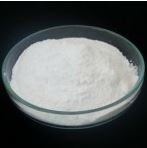
Calcium Carbonate nanoparticles (100g)
View Product
Calcium Carbonate Microparticles, ca. 3um
View Product
Calcium Carbonate Microparticles, ca. 6um
View ProductReady to Explore Nano CaCO3 for Your Research?
Connect with Reinste to discover our extensive range of Nano CaCO3 and other nanomaterials. Our experts can help you find the perfect nano chemicals for your specific nano research and industrial nano applications.
Contact Our Experts TodayGet in Touch with Reinste
Have questions about Nano CaCO3, nanomaterials, or our product offerings? Fill out the form below, and our team will get back to you promptly.