
Nano CaCO3: Revolutionizing Indian Research and Industry with Nanoparticles
Explore the transformative potential of Nano Calcium Carbonate (Nano CaCO3) in advanced materials, biomedical applications, and sustainable technologies, driving innovation across India's scientific and industrial landscape.
Explore ApplicationsUnveiling the Power of Nano CaCO3 in India's Scientific Landscape
In the dynamic world of Nanomaterials Chemistry and Nanotechnology Research, Nano Calcium Carbonate (Nano CaCO3) stands out as a material with immense potential. Unlike its macro-sized counterpart, CaCO3 Nanoparticles possess unique properties due to their incredibly small size, typically ranging from 1 to 100 nanometers. This nanoscale dimension leads to an exponential increase in surface area, enhanced reactivity, and novel mechanical, optical, and electrical characteristics. For Indian researchers and professionals, understanding and harnessing these properties is crucial for driving innovation across various sectors.
India's burgeoning scientific community and industrial landscape are increasingly recognizing the strategic importance of Nano CaCO3. From bolstering the performance of existing materials to enabling the creation of entirely new functionalities, these nanoparticles are at the forefront of Advanced Nanotech. Their versatility makes them invaluable in developing Nanocomposite Materials, advancing Bio-nanomaterials, and contributing to sustainable solutions. This blog delves into the multifaceted aspects of Nano CaCO3, highlighting its impact and future prospects for Indian innovation.
Benefits for Indian Researchers and Innovators
For researchers and professionals in India, integrating Nano CaCO3 into their work offers a multitude of advantages, pushing the boundaries of what's possible in Nanotechnology Research.
- Enhanced Material Properties: CaCO3 Nanoparticles significantly improve mechanical strength, stiffness, impact resistance, and thermal stability in polymers, ceramics, and coatings, leading to superior product performance.
- Increased Reactivity and Surface Area: The high surface-to-volume ratio of Nano CaCO3 facilitates better dispersion and stronger interfacial adhesion in Nanocomposite Materials, crucial for efficient catalysis and adsorption processes.
- Cost-Effective Reinforcement: As a naturally abundant and relatively inexpensive material, Nano CaCO3 offers an economical pathway to enhance material properties without significantly increasing production costs, a key consideration for Indian industries.
- Versatility in Applications: From advanced plastics and rubber to pharmaceuticals and cosmetics, the adaptability of Calcium Carbonate Nano allows for its application across a broad spectrum of industries, fostering cross-disciplinary research.
- Environmental Benefits: Utilizing Nano CaCO3 can lead to lighter materials, reduced energy consumption in manufacturing, and improved recyclability, aligning with India's growing focus on sustainable development and green chemistry.
- Biocompatibility Potential: Modified Bio-nanomaterials based on Nano CaCO3 show promise in drug delivery systems, bone tissue engineering, and medical imaging, opening new avenues in biomedical research.
- Advancements in Nano Particle Synthesis: Research into Nano CaCO3 synthesis methods drives innovation in producing uniform, high-quality nanoparticles, which is vital for consistent performance in high-tech applications.
Key Industry Applications of Nano CaCO3 in India
The unique properties of Nano CaCO3 make it an invaluable additive and component across numerous industrial sectors, particularly in India where innovation and material science are rapidly evolving.
Polymers and Plastics
Nano CaCO3 serves as an excellent reinforcing filler in polymers, significantly improving tensile strength, impact resistance, and stiffness. It reduces material costs while enhancing processability and surface finish in products ranging from automotive components to packaging films and pipes. This makes it a crucial element in developing advanced Nanocomposite Materials.
Paints and Coatings
In the coatings industry, CaCO3 Nanoparticles enhance opacity, brightness, and weatherability. They also improve scrub resistance and reduce cracking, leading to more durable and aesthetically pleasing finishes for architectural, industrial, and automotive applications. This contributes to the overall quality and longevity of coated surfaces.
Rubber and Elastomers
As a reinforcing agent, Nano CaCO3 improves the mechanical properties of rubber, including tear strength, abrasion resistance, and hardness, without compromising elasticity. This is vital for applications like tires, seals, and industrial hoses, where performance and durability are paramount.
Biomedical and Pharmaceutical
The biocompatibility of Nano Calcium Carbonate makes it suitable for Bio-nanomaterials. It's explored in drug delivery systems, bone tissue engineering as a scaffold material, and even in dental applications. Its ability to be functionalized opens doors for targeted therapies and advanced diagnostics.
Paper and Packaging
In the paper industry, Nano CaCO3 acts as a filler and coating pigment, improving brightness, opacity, and printability while reducing wood pulp consumption. In packaging, it enhances barrier properties and mechanical strength, contributing to more sustainable and efficient solutions.
Environmental Remediation
Nano CaCO3 is being investigated for environmental applications such as water purification, heavy metal adsorption, and CO2 capture. Its high surface area and reactivity make it an effective adsorbent for various pollutants, contributing to cleaner environments.
India's Growing Frontier: Opportunities and Trends in Nano CaCO3
India is rapidly emerging as a hub for Nanotechnology Research and development, with significant government backing and increasing private sector investment. The market for Nano CaCO3 and other Nanomaterials Chemistry products is poised for substantial growth, driven by demand from various end-user industries. This section explores the key opportunities and emerging trends specifically relevant to the Indian context.
Government Initiatives and Funding
The Indian government, through initiatives like the Nano Mission, has been instrumental in fostering Nanotechnology Research. Funding for projects focused on Nano Particle Synthesis, characterization, and application development of materials like CaCO3 Nanoparticles is creating a fertile ground for academic and industrial collaborations. This support is crucial for scaling up production and translating laboratory research into commercial products.
Emerging Applications in Agriculture and Food Packaging
Beyond traditional industrial uses, Nano CaCO3 is gaining traction in agriculture for soil amendment and as a controlled-release carrier for nutrients and pesticides. In food packaging, its ability to enhance barrier properties and act as an antimicrobial agent is being explored, contributing to extended shelf life and reduced food waste – a critical area for India. These are exciting new Nano Science Trends.
Focus on Sustainable and Green Synthesis
With a global push towards sustainability, Indian researchers are increasingly focusing on green and eco-friendly methods for Nano Particle Synthesis of Calcium Carbonate Nano. This includes utilizing biogenic sources, waste materials, and energy-efficient processes, aligning with India's commitment to environmental protection and resource optimization. This area presents significant opportunities for innovation and competitive advantage in the global Advanced Nanotech market.
Collaboration between Academia and Industry
Stronger linkages between academic institutions and industries are facilitating the rapid transfer of Nanotechnology Research findings into practical applications. Indian universities and research institutes are partnering with manufacturing companies to develop customized Nano CaCO3 products that meet specific industrial requirements, from Nanocomposite Materials to Bio-nanomaterials. This collaborative ecosystem is vital for accelerating the adoption of Nano CaCO3 technology.
Frequently Asked Questions about Nano CaCO3
Nano Calcium Carbonate (Nano CaCO3) refers to calcium carbonate particles with dimensions typically ranging from 1 to 100 nanometers. Its nanoscale size imparts unique properties like increased surface area, enhanced reactivity, and improved mechanical strength when incorporated into various materials, unlike traditional, larger-sized calcium carbonate which primarily acts as a filler. This distinction is fundamental in Nanomaterials Chemistry.
In India, Nano CaCO3 finds extensive applications in industries such as plastics and polymers for enhanced strength and stiffness, paints and coatings for improved durability and finish, rubber for reinforcement, and even in biomedical fields for drug delivery and bone tissue engineering. Its use is also growing in construction and environmental remediation, reflecting its versatility as a Calcium Carbonate Nano material.
Nano CaCO3 is a cornerstone in Nanotechnology Research due to its versatility. Researchers utilize it to develop novel Nanocomposite Materials, explore new Nano Particle Synthesis methods, study surface functionalization for targeted applications, and understand its interactions at the molecular level, contributing significantly to Nanomaterials Chemistry and Advanced Nanotech.
The safety of Nano CaCO3 largely depends on its specific formulation, surface modification, and the intended application. While generally considered biocompatible for many uses, especially in controlled biomedical environments, thorough toxicological studies and regulatory approvals are crucial for applications involving direct human exposure or ingestion. Researchers are continuously working on making these Bio-nanomaterials safer and more efficient, following the latest Nano Science Trends.
Explore Related Nano CaCO3 Products
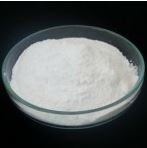
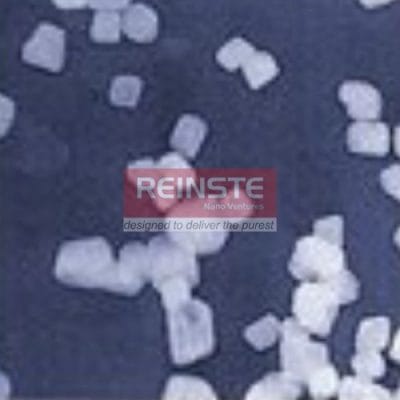
Discover high-quality CaCO3 Nanoparticles and microparticles essential for your Nanotechnology Research and industrial applications. Reinste and Hiyka offer a range of products to meet your specific needs in Nanomaterials Chemistry and beyond.


Advance Your Research with High-Quality Nano CaCO3
Ready to integrate the power of Nano CaCO3 into your next project? Explore our comprehensive range of CaCO3 Nanoparticles and related materials. Whether you're involved in Nanomaterials Chemistry, Nanotechnology Research, or developing Nanocomposite Materials, we have the solutions you need.
Get a Custom QuoteConnect With Our Experts
Have specific requirements or questions about Nano CaCO3 or other Advanced Nanotech products? Fill out the form below, and our team will get in touch to assist you with your Nanotechnology Research needs.