Reinste Logo

Nano CaCO3: Revolutionizing Indian Research and Industry with Calcium Carbonate Nanoparticles

Explore the transformative potential of nano calcium carbonate in advanced materials, biomedical applications, and sustainable industrial solutions for India's growing technological landscape.

Explore Applications

Unveiling the Power of Nano Calcium Carbonate in India

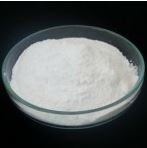
In the dynamic landscape of materials science and nanotechnology, Nano CaCO3, or nano calcium carbonate, stands out as a material with immense transformative potential. These minuscule particles, typically ranging from 1 to 100 nanometers, possess properties vastly superior to their macro-sized counterparts. Their high surface area, enhanced reactivity, and unique crystal structures enable breakthroughs across a multitude of applications, making them a cornerstone for innovation in various industries. The ability of these calcium carbonate nanoparticles to integrate seamlessly into diverse matrices, offering improved performance at lower concentrations, positions them as a highly sought-after nano additive.

For Indian researchers and professionals, the advent of Nano CaCO3 represents a golden opportunity. With a burgeoning scientific community and a rapidly expanding industrial base, India is poised to leverage the power of nanotechnology applications to address critical challenges and drive economic growth. From developing advanced materials for infrastructure to creating cutting-edge solutions in healthcare and environmental protection, Nano CaCO3 offers a versatile platform for innovation. This blog delves into the multifaceted world of nano calcium carbonate, highlighting its significance, diverse applications, and the promising future it holds for India's R&D and industrial sectors, particularly in the realm of nanocomposite materials and advanced materials.

As the nation moves towards self-reliance and global leadership in technology, understanding and harnessing the capabilities of materials like Nano CaCO3 becomes paramount. It's not just about smaller particles; it's about unlocking a new realm of possibilities that can redefine product performance, optimize processes, and foster sustainable development. The drive for innovation in sectors like automotive, construction, and consumer goods in India further amplifies the need for such high-performance nanomaterials research.

Key Benefits of Nano CaCO3 for Indian Researchers & Innovators

  • Enhanced Material Properties: Nano CaCO3 significantly improves the mechanical strength, stiffness, impact resistance, and surface finish of polymers, plastics, and composites. This allows for the creation of lighter, stronger, and more durable products, which is crucial for industries aiming for higher performance and longevity.
  • Cost-Effectiveness & Sustainability: As a natural and abundant mineral, nano calcium carbonate offers a cost-effective alternative to more expensive additives. Its ability to enhance properties at lower loading levels also contributes to the reduction of overall material usage, fostering more sustainable manufacturing practices.
  • Novel Drug Delivery Systems: In biomedical applications, these biomedical nanoparticles can be engineered for targeted drug delivery, gene therapy, and as biocompatible scaffolds. This opens new avenues for medical research and treatment, particularly in developing advanced therapeutic solutions.
  • Improved Optical & Rheological Properties: For paints, coatings, and inks, Nano CaCO3 enhances brightness, opacity, flow characteristics, and UV resistance. This leads to superior product performance and aesthetics, which is highly valued in both decorative and protective applications.
  • Environmental Applications: Researchers are actively exploring its use in wastewater treatment, CO2 capture technologies, and as a component in sustainable construction materials. These applications contribute significantly to India's environmental goals and efforts towards a greener economy.
  • Versatile Filler & Additive: Its high surface area and customizable surface chemistry make it an ideal filler for a wide range of materials, including rubber, paper, adhesives, and sealants. It optimizes their performance, improves processing, and extends product lifespan.
  • Catalytic & Adsorption Capabilities: The unique nanoscale structure provides excellent catalytic activity and adsorption capabilities. These features are invaluable in various chemical reactions, purification processes, and the development of advanced functional materials.

Transformative Industrial Applications of Nano CaCO3

Polymers & Plastics

Nano CaCO3 serves as an excellent reinforcing filler in polymers like PP, PE, and PVC, significantly improving tensile strength, impact resistance, and stiffness. It also enhances dimensional stability and surface gloss, making it ideal for automotive parts, high-performance packaging, agricultural films, and various consumer goods where durability and aesthetics are paramount in the Indian market.

Paints & Coatings

In paints and coatings, calcium carbonate nanoparticles improve opacity, brightness, rheology, and weatherability. They act as extenders, reducing the need for expensive pigments while maintaining high-quality finish and durability in architectural, automotive, and industrial coatings, crucial for protecting assets in diverse Indian climatic conditions.

Paper Industry

For the paper industry, Nano CaCO3 enhances paper brightness, opacity, and printability. It also helps reduce wood pulp consumption and improves the overall strength and smoothness of the paper, contributing to more sustainable paper production and meeting the increasing demand for high-quality printing and packaging materials in India.

Pharmaceuticals & Biomedical

Nano CaCO3 is being explored for its biocompatibility in drug delivery systems, bone tissue engineering, and as a component in dental materials. Its high surface area allows for efficient drug loading and controlled release, promising advances in healthcare, including localized drug delivery for specific diseases prevalent in India and innovative diagnostic tools.

Construction Materials

In construction, nano calcium carbonate can improve the strength, durability, and workability of concrete and cement-based materials. It also contributes to reduced permeability and enhanced resistance to environmental degradation, leading to longer-lasting and more resilient structures, which is vital for India's rapidly expanding urban and rural infrastructure development.

Adhesives & Sealants

As a functional filler, Nano CaCO3 improves the rheological properties, sag resistance, and mechanical strength of adhesives and sealants. It also helps control shrinkage and enhances adhesion to various substrates, crucial for high-performance applications in construction, automotive assembly, and electronic component manufacturing, supporting India's industrial growth.

Frequently Asked Questions about Nano CaCO3

Ready to Advance Your Research with Nano CaCO3?

Explore the future of materials science and unlock new possibilities. Contact Reinste today for high-quality Nano CaCO3 solutions tailored for your research and industrial needs.

Get a Quote

Connect with Us

Disclaimer

Some of the blog posts published on this website are created with the assistance of Artificial Intelligence (AI) tools. While efforts are made to review and edit the content for accuracy and appropriateness, there may still be instances where unintended, unnecessary, or unverified information or claims appear. Readers are advised to use their discretion while interpreting the content. The primary purpose of using AI-generated content is to provide our audience with the most recent, diverse, and wide-ranging information on various topics. The content is intended to inform and engage, not to mislead. All external links included in the blogs are intended to guide users to real and authentic workshops, programs, or resources. The information presented through those links is curated and verified to the best of our knowledge. This disclaimer is meant to inform visitors about the use of AI in content creation, acknowledge potential limitations in content accuracy, and encourage informed and responsible reading.