Nano CaCO3: Revolutionizing Indian Industry and Research with Nanomaterial Innovations
Explore the transformative power of Nano Calcium Carbonate, a versatile nanomaterial driving advancements across diverse sectors in India's dynamic R&D landscape and industrial applications.
Learn MoreIntroduction to Nano Calcium Carbonate and its Indian Relevance
In the burgeoning landscape of Indian scientific research and industrial innovation, the emergence of **nanomaterials** has ushered in an era of unprecedented possibilities. Among these, **Nano CaCO3** (Calcium Carbonate Nanoparticles) stands out as a particularly versatile and impactful compound. With its unique properties stemming from its nanoscale dimensions, Nano CaCO3 is not merely a filler material; it is a critical enabler for advanced functionalities across a multitude of sectors. For Indian researchers and professionals, understanding the profound implications of these **nanoparticles** is paramount, as they hold the key to developing next-generation products and processes tailored to the nation's specific needs and market dynamics.
The journey of **Calcium Carbonate** from a widely available mineral to a high-performance **nanomaterial** is a testament to the power of **nanotechnology**. By reducing its particle size to the nanometer range, scientists unlock enhanced surface area, altered optical properties, increased reactivity, and improved mechanical strength, among other benefits. These attributes make **Nano CaCO3** an invaluable asset in fields ranging from polymers and paints to pharmaceuticals and environmental remediation. In India, where industrial growth is often coupled with a strong emphasis on sustainable and cost-effective solutions, **Industrial Nano** applications of Nano CaCO3 are rapidly gaining traction.
This blog post delves into the multifaceted world of **Nano CaCO3**, exploring its fundamental characteristics, diverse **nano applications**, and its specific relevance to the Indian context. We aim to provide a humanized, informative perspective, guiding researchers, engineers, and business leaders through the scientific intricacies and practical advantages of integrating these advanced **nanomaterials** into their work. From enhancing material performance to fostering sustainable practices, the narrative around Nano CaCO3 in India is one of innovation, opportunity, and transformative potential. As the nation continues its trajectory towards becoming a global hub for research and manufacturing, the role of specialized **nano chemistry** and material science solutions like Nano CaCO3 will only grow in significance.
The increasing demand for high-performance materials and the drive towards eco-friendly manufacturing processes are key factors propelling the adoption of **Nano CaCO3** in India. Its ability to improve properties such as impact strength, stiffness, and processability in plastics, or to enhance opacity and brightness in coatings, makes it an attractive alternative to conventional fillers. Furthermore, its benign nature and abundance make it a sustainable choice, aligning with India's broader environmental goals. This article will serve as a comprehensive guide, highlighting the current state and future prospects of Nano CaCO3, particularly for those engaged in advanced materials research and industrial development within India.
Key Benefits of Nano CaCO3 for Indian Researchers and Professionals
For researchers and professionals in India, leveraging **Nano CaCO3** offers a competitive edge and opens avenues for groundbreaking innovations. The nanoscale properties of Calcium Carbonate translate into a myriad of advantages:
-
•
Enhanced Material Properties:
**Nano CaCO3** significantly improves the mechanical properties of polymers, plastics, and composites, including tensile strength, impact resistance, and stiffness, without compromising processability. This is crucial for developing durable and high-performance materials in sectors like automotive and construction.
-
•
Cost-Effective Performance Enhancement:
As a naturally abundant and relatively inexpensive material, **Calcium Carbonate** in its nano form provides a cost-effective solution for upgrading material performance, reducing the need for more expensive additives and thus lowering overall production costs for Indian manufacturers.
-
•
Improved Rheology and Processing:
The fine particle size and spherical morphology of **Nano CaCO3** can lead to improved melt flow characteristics in polymers, facilitating easier processing and reducing energy consumption during manufacturing, a significant advantage for **Industrial Nano** operations.
-
•
Optical and Barrier Property Modification:
In coatings and films, **Nano CaCO3** can enhance opacity, brightness, and UV resistance. In packaging, it can improve barrier properties against gases and moisture, extending shelf life for various products. These **nano applications** are vital for Indian food processing and packaging industries.
-
•
Eco-Friendly and Sustainable Solutions:
Being a natural mineral, **Nano CaCO3** is an environmentally benign material. Its use contributes to sustainable manufacturing practices, aligning with India's growing focus on green technologies and reducing reliance on petroleum-based additives. This makes it a preferred choice in **Nanomaterials** research.
-
•
Versatility Across Industries:
From PVC pipes and automotive components to paints, adhesives, and even certain biomedical applications, the adaptability of **Nano CaCO3** allows for its integration into a wide array of products, fostering cross-sectoral innovation in **Nanotechnology**.
-
•
Advancements in Nano Chemistry:
Working with **Nano CaCO3** pushes the boundaries of **Nano Chemistry**, encouraging researchers to explore surface modifications and functionalization techniques to further tailor its properties for specific, high-value applications, thereby contributing to India's leadership in **Material Science**.
Transformative Industrial Applications of Nano CaCO3 in India
The unique properties of **Nano CaCO3** make it an indispensable **nanomaterial** across a diverse range of **industrial applications** in India. Its ability to enhance performance, reduce costs, and contribute to sustainability is driving its adoption in key sectors.
Polymers and Plastics
**Nano CaCO3** is widely used as a filler in polymers like PVC, polypropylene, and polyethylene. It significantly improves mechanical strength, impact resistance, stiffness, and surface finish, while also reducing material costs. This is vital for the Indian packaging, automotive, and construction industries where **Nano Composites** are increasingly sought after. Its role in enhancing the processability of plastics also leads to energy savings during manufacturing.
Paints and Coatings
In paints, **Nano CaCO3** acts as an extender, improving opacity, brightness, and whiteness. Its fine particle size enhances film integrity, scrub resistance, and weatherability. For the Indian construction and automotive sectors, these **nano applications** ensure longer-lasting and aesthetically superior finishes, crucial for both residential and industrial use. It also helps in reducing the use of more expensive pigments.
Adhesives and Sealants
The high surface area and unique rheological properties of **Nano CaCO3** make it an excellent additive for adhesives and sealants. It improves viscosity control, thixotropy, and bond strength, while also reducing shrinkage. This is beneficial for various assembly and sealing applications in India's rapidly expanding manufacturing sector, offering enhanced durability and performance.
Paper Industry
**Nano CaCO3** is utilized in the paper industry as a filler and coating pigment. It enhances paper brightness, opacity, smoothness, and printability, while also reducing wood pulp consumption. This contributes to both the quality and cost-effectiveness of paper production in India, supporting sustainable forestry practices and improved product offerings.
Rubber and Elastomers
In rubber and elastomer formulations, **Nano CaCO3** serves as a reinforcing filler. It improves tensile strength, tear resistance, and abrasion resistance, crucial for products like tires, conveyor belts, and seals. These **nanoparticles** provide a cost-effective alternative to carbon black or silica, offering performance benefits for India's growing rubber industry.
Pharmaceuticals and Cosmetics
Due to its biocompatibility and fine particle size, **Nano CaCO3** finds applications in pharmaceuticals as a drug delivery vehicle, a calcium supplement, or an excipient. In cosmetics, it's used in powders, creams, and toothpastes for its abrasive, opacifying, and bulking properties. India's robust pharmaceutical and cosmetic sectors are exploring these advanced **nano applications** for innovative product development.
India-Specific Opportunities and Emerging Trends in Nano CaCO3
India's rapid industrialization and strong emphasis on indigenous research and development present a unique ecosystem for the growth of **Nano CaCO3** and other **nanomaterials**. The "Make in India" initiative, coupled with increasing investments in R&D, is creating fertile ground for **Industrial Nano** applications to flourish.
One significant trend is the growing demand for sustainable and eco-friendly materials. **Nano CaCO3**, being a natural and non-toxic compound, perfectly aligns with this objective. Indian industries are actively seeking alternatives to synthetic materials and fillers, making **Calcium Carbonate** nanoparticles an attractive option for reducing environmental footprints and achieving green certifications. This push towards sustainability is evident in sectors like construction, where "green building" materials are gaining prominence, and in packaging, where biodegradable and recyclable solutions are highly valued.
The automotive sector in India is another key driver. With stringent emission norms and a focus on lightweighting to improve fuel efficiency, the use of **Nano Composites** incorporating **Nano CaCO3** is on the rise. These composites offer superior strength-to-weight ratios, crucial for reducing vehicle mass without compromising safety or performance. Indian automotive manufacturers and component suppliers are increasingly investing in **Nanotechnology** research to integrate these advanced materials into their designs.
Furthermore, the expansion of India's infrastructure and construction industry continues to fuel demand for high-performance building materials. **Nano CaCO3** can enhance the durability, fire resistance, and aesthetic appeal of concrete, paints, and other construction-related products. Researchers in India are also exploring novel **nano applications** in smart coatings and self-healing materials, opening new frontiers for **Material Science** in urban development.
The academic and research institutions across India are playing a pivotal role in advancing **Nano Chemistry** and **Nanoparticles** research. Collaborations between universities, national laboratories, and industries are accelerating the development of tailored **Nano CaCO3** solutions for specific industrial challenges. This synergy is crucial for translating fundamental research into practical, market-ready products, solidifying India's position as a leader in **Nanotechnology** innovation. The future of **Nano CaCO3** in India looks promising, driven by a combination of technological advancements, economic incentives, and a commitment to sustainable development.
Frequently Asked Questions about Nano CaCO3
**Nano CaCO3** refers to **Calcium Carbonate** particles with dimensions typically below 100 nanometers. The primary difference from traditional, larger particle size Calcium Carbonate lies in its significantly increased surface area, altered crystal structure, and quantum effects at the nanoscale. These properties lead to enhanced reactivity, improved mechanical strength when used as a filler, better optical properties, and unique behaviors not observed in bulk material. It's a key **nanomaterial** in advanced **nano applications**.
In India, **Nano CaCO3** finds extensive **industrial applications** in sectors such as plastics and polymers (improving strength, stiffness, and impact resistance), paints and coatings (enhancing opacity, brightness, and durability), adhesives and sealants, paper manufacturing (for brightness and printability), and rubber products. Emerging **nano applications** are also being explored in pharmaceuticals and cosmetics due to its unique properties and biocompatibility. Its role as an **Industrial Nano** filler is critical.
**Nano CaCO3** is a naturally abundant and non-toxic **nanomaterial**, making it an environmentally friendly choice. Its use can reduce reliance on petroleum-based polymers and more energy-intensive fillers. By enhancing material durability and performance, it can extend product lifecycles, contributing to a circular economy. Furthermore, its application in reducing wood pulp in paper production supports sustainable resource management. This aligns with global and Indian initiatives for green **Nanotechnology**.
The main challenges include achieving uniform dispersion of **nanoparticles** within a matrix to prevent agglomeration, which can negate the benefits of nanoscale properties. Surface modification techniques are often required to improve compatibility with various polymers. Additionally, ensuring safe handling and processing due to the fine particle size, and scaling up production for **Industrial Nano** applications while maintaining quality, are ongoing areas of research and development in **Nanotechnology** and **Material Science**.
Indian researchers and industries can source high-quality **Nano CaCO3** from specialized chemical suppliers and **nanomaterials** manufacturers who adhere to international quality standards. It's crucial to select suppliers who can provide detailed material specifications, including particle size distribution, surface area, and purity, to ensure suitability for specific **nano applications**. Platforms like Hiyka offer a range of **Calcium Carbonate** nanoparticles and microparticles for research and industrial use.
Explore Related Products
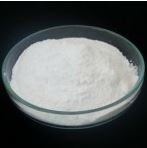
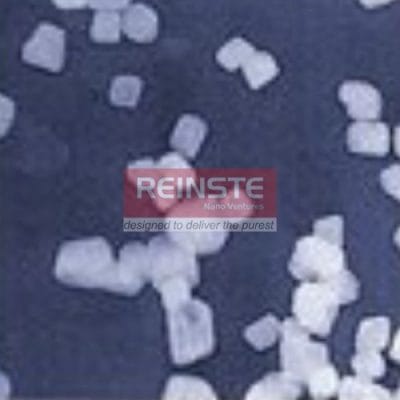
Discover high-quality **Calcium Carbonate** products, including **nanoparticles** and microparticles, ideal for your research and **industrial applications** in **nanotechnology** and **material science**.


Ready to Innovate with Nano CaCO3?
Whether you're a researcher exploring new frontiers in **nanomaterials** or an industry professional seeking advanced solutions, **Nano Calcium Carbonate** offers unparalleled opportunities.
Contact Our Experts Today!Get in Touch with Reinste
Have questions about **Nano CaCO3**, **nanomaterials**, or their **industrial applications**? Our team of experts is here to assist you. Fill out the form below to connect with us.