Nano CaCO3 in Agriculture: Revolutionizing Crop Yields and Soil Health in India
Explore how Calcium Carbonate Nanoparticles are transforming agricultural practices, enhancing plant growth, and improving soil quality for sustainable farming in the Indian context.
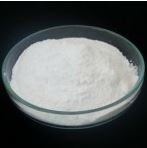
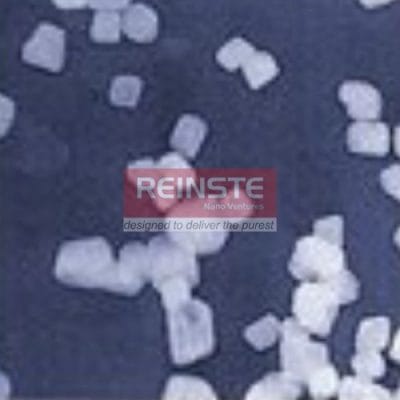
India's agricultural landscape, a cornerstone of its economy and food security, faces persistent challenges ranging from soil degradation and nutrient deficiencies to the impacts of climate change. Traditional farming methods, while foundational, often struggle to keep pace with these evolving demands. This is where Nano CaCO3, or Calcium Carbonate Nanoparticles, emerges as a game-changer. At the nanoscale, these particles exhibit unique physical and chemical properties, offering an unprecedented level of precision and efficiency in agricultural applications.
For Indian researchers and professionals, understanding the potential of agricultural nanotech is crucial. Nano CaCO3 isn't just another supplement; it represents a paradigm shift towards sustainable and high-yield farming. Its ability to enhance nutrient delivery, improve soil structure, and bolster plant resilience against various stresses makes it a powerful tool for addressing the specific needs of diverse Indian agro-climatic zones. This blog delves into how nanomaterials CaCO3 are poised to revolutionize crop production, ensuring a healthier future for both our soil and our plates.
By embracing Nano Calcium Research, India can unlock new avenues for sustainable development, boost farmer incomes, and secure its position as a leader in innovative agricultural practices. The journey into the world of CaCO3 Nanoparticles promises not just improved yields but a greener, more resilient agricultural ecosystem.
Unlocking Potential: Benefits of Nano CaCO3 for Researchers and Farmers
The application of Nano CaCO3 offers a multitude of advantages, particularly for Indian agricultural researchers and farming communities striving for efficiency and sustainability.
Enhanced Nutrient Uptake and Efficiency
Due to their minuscule size and high surface area, CaCO3 Nanoparticles facilitate superior absorption of calcium and other essential micronutrients by plants, leading to healthier growth and reduced nutrient waste.
Improved Soil Structure and Health
Nano CaCO3 acts as an effective soil amendment, helping to regulate soil pH, improve aeration, and enhance water retention capacity. This contributes to overall soil fertility and supports a thriving microbial ecosystem.
Increased Crop Yields and Quality
By optimizing nutrient availability and soil conditions, Nano CaCO3 directly contributes to more robust plant development, resulting in significantly higher crop yields and improved quality of produce.
Enhanced Plant Stress Tolerance
Plants treated with Calcium Carbonate Nano exhibit greater resilience against various environmental stresses, including drought, salinity, heavy metal toxicity, and pathogen attacks, crucial for unpredictable Indian weather patterns.
Reduced Fertilizer and Pesticide Use
The high efficiency of Nanomaterials CaCO3 means less conventional fertilizers and pesticides are needed, leading to reduced input costs for farmers and minimized environmental pollution.
Sustainable and Eco-Friendly Solution
As a naturally derived compound, Nano CaCO3 offers an environmentally benign approach to enhancing agricultural productivity, aligning perfectly with India's push for sustainable farming practices and Nanotechnology Agri.
Diverse Applications of Nano CaCO3 Across Agriculture
The versatility of Nano CaCO3 allows for its application in various critical aspects of modern agriculture, offering targeted solutions for specific challenges.
Seed Treatment for Enhanced Germination
Coating seeds with CaCO3 Nanoparticles significantly improves germination rates and early seedling vigor. The nanoparticles provide essential calcium directly to the developing embryo, promoting stronger root development and better establishment, crucial for ensuring a healthy start for crops.
Foliar Spray for Direct Nutrient Delivery
As a foliar spray, Nano CaCO3 allows for the direct and efficient delivery of calcium to plant leaves. This method bypasses soil limitations, ensuring rapid absorption and addressing calcium deficiencies quickly. It's particularly effective for crops with high calcium demands or in soils where calcium availability is an issue.
Soil Amendment for pH Regulation and Structure
Incorporating Nano CaCO3 into the soil helps in correcting pH imbalances, especially in acidic soils prevalent in many parts of India. Beyond pH, these Nanomaterials CaCO3 improve soil aggregation, enhancing water infiltration, aeration, and overall soil structure, creating a more conducive environment for root growth.
Pest and Disease Management Carrier
Nano CaCO3 can serve as an excellent carrier for targeted delivery of bio-pesticides and fungicides. Its nanoscale nature allows for better penetration and adhesion, increasing the efficacy of protective agents while potentially reducing the overall chemical load, aligning with organic farming principles.
Post-Harvest Preservation and Shelf Life Extension
Beyond the field, Nano CaCO3 can be utilized in post-harvest treatments to extend the shelf life of fruits and vegetables. By forming a protective layer or influencing ripening processes, it helps reduce spoilage and maintain freshness, crucial for minimizing food waste in the supply chain.
Enhancing Crop Resistance to Abiotic Stresses
In addition to biotic stresses, Nano CaCO3 helps plants develop stronger resistance to abiotic stresses like heat, cold, and heavy metal toxicity. This improved resilience is vital for maintaining productivity in regions prone to extreme weather conditions or contaminated soils, a growing concern in Nanotechnology Agri.
India's Leap into Nano CaCO3: Opportunities and Emerging Trends
India is rapidly positioning itself at the forefront of agricultural nanotech, recognizing the immense potential of Nano CaCO3 to address its unique agricultural challenges and achieve food security. Several key trends and opportunities are shaping this exciting landscape for Nano Calcium Research.
Government Initiatives and Research Focus
The Indian government, through various scientific bodies and agricultural ministries, is actively promoting research and development in nanotechnology for agriculture. Initiatives like the National Nanotechnology Mission provide funding and infrastructure, encouraging scientists and institutions to explore innovative CaCO3 Applications. This support is crucial for translating laboratory findings into practical, field-ready solutions for farmers across the nation.
Growing Demand for Sustainable Farming Practices
With increasing environmental awareness and the long-term impact of conventional farming, there's a significant shift towards sustainable agriculture in India. Nano CaCO3 perfectly aligns with this trend by offering eco-friendly ways to enhance soil health and crop productivity, reducing reliance on synthetic chemicals. This makes it an attractive option for farmers looking to adopt greener practices and for researchers exploring sustainable Nanoparticle Study.
Market Expansion and Industrial Adoption
The market for nanomaterials CaCO3 in agriculture is witnessing steady growth. As awareness spreads among farmers and agricultural industries, the adoption of Nano Chemical solutions is expected to surge. Companies are investing in the production and distribution of Nano CaCO3 products, creating a robust supply chain that will make these advanced solutions more accessible and affordable for the Indian agricultural sector.
Collaborations and Knowledge Exchange
There's a growing trend of collaboration between academic institutions, research organizations, and private companies in India to accelerate the development and deployment of Nano CaCO3 technologies. These partnerships foster knowledge exchange, facilitate technology transfer, and ensure that solutions are tailored to the specific needs and challenges of Indian farmers. Such synergistic efforts are vital for maximizing the impact of Agricultural Nanotech.
While challenges such as regulatory frameworks and cost-effectiveness for small-scale farmers remain, the overall outlook for Nano CaCO3 in agricultural applications in India is overwhelmingly positive. Its potential to enhance food production, improve environmental quality, and boost the economic well-being of farmers makes it a cornerstone of India's agricultural future.
Frequently Asked Questions about Nano CaCO3 in Agriculture
Nano Calcium Carbonate (Nano CaCO3) refers to calcium carbonate particles engineered at the nanoscale (typically 1-100 nanometers). In agriculture, these nanoparticles offer superior benefits compared to their bulk counterparts due to their high surface area and reactivity. They enhance nutrient uptake, improve soil structure, regulate pH, increase crop yields, and boost plant resilience against environmental stresses, making them a powerful tool for sustainable farming.
Research suggests that Nano CaCO3, when applied responsibly and within recommended concentrations, is generally considered safe for crops and the environment. Calcium carbonate is a naturally occurring compound, and its nanoscale form aims for more efficient delivery, potentially reducing the overall amount needed. However, ongoing research continues to evaluate long-term impacts and optimize application methods to ensure ecological safety and sustainability.
Nano CaCO3 can be applied in various ways in agriculture. Common methods include seed treatment, where seeds are coated with nanoparticles to enhance germination and early growth; foliar sprays, allowing direct absorption of nutrients by plant leaves; and soil amendments, where nanoparticles are incorporated into the soil to improve its physical and chemical properties, such as pH balance and water retention.
The future prospects for Nano CaCO3 in Indian agriculture are highly promising. With increasing pressure on food security, soil health degradation, and the need for sustainable practices, Nano CaCO3 offers innovative solutions. It is expected to play a crucial role in precision agriculture, leading to higher yields, reduced input costs, and environmentally friendly farming. Government initiatives and growing research in agricultural nanotechnology will further drive its adoption across the country.
Unlock the Future of Sustainable Agriculture with Reinste's Nano CaCO3 Solutions.
Whether you are a researcher pushing the boundaries of Nano Calcium Research or an industry professional seeking advanced agricultural solutions, Reinste is your trusted partner.
Have questions about Nano CaCO3, CaCO3 Nanoparticles, or other agricultural nanotech solutions? Reach out to our team of experts.
Disclaimer
Some of the blog posts published on this website are created with the assistance of Artificial Intelligence (AI) tools. While efforts are made to review and edit the content for accuracy and appropriateness, there may still be instances where unintended, unnecessary, or unverified information or claims appear.
Readers are advised to use their discretion while interpreting the content. The primary purpose of using AI-generated content is to provide our audience with the most recent, diverse, and wide-ranging information on various topics. The content is intended to inform and engage, not to mislead.
All external links included in the blogs are intended to guide users to real and authentic workshops, programs, or resources. The information presented through those links is curated and verified to the best of our knowledge.
This disclaimer is meant to inform visitors about the use of AI in content creation, acknowledge potential limitations in content accuracy, and encourage informed and responsible reading.