Nano CaCO3 in Advanced Nanocomposites: Revolutionizing Material Science for Indian Researchers
Discover how nano calcium carbonate is transforming material science, offering unprecedented opportunities for innovation and application in India's rapidly advancing R&D and industrial sectors.
Explore NowUnlocking New Frontiers: The Power of Nano Calcium Carbonate
In the dynamic landscape of material science, the advent of nanotechnology has opened doors to revolutionary advancements. Among the myriad of nanomaterials, Nano CaCO3 (Nano Calcium Carbonate) stands out as a versatile and potent additive, especially when integrated into advanced nanocomposites. For Indian researchers and professionals, understanding and harnessing the unique properties of Nano CaCO3 is not just an academic pursuit but a strategic imperative for industrial growth and innovation.
Nano CaCO3, characterized by its ultra-fine particle size (typically below 100 nm), exhibits properties significantly different from its bulk counterpart. This nanoscale dimension leads to an increased surface area-to-volume ratio, enhanced reactivity, and superior mechanical, optical, and thermal characteristics when incorporated into various matrices. These attributes make it an invaluable component in developing high-performance materials across diverse sectors.
This comprehensive guide delves into the profound impact of Nano CaCO3 in advanced nanocomposites, highlighting its relevance, benefits, and burgeoning applications within the Indian research and industrial ecosystem. We aim to provide a humanized, informative perspective that resonates with the aspirations and challenges faced by the Indian scientific community, fostering a deeper engagement with this transformative material.
Benefits for Indian Researchers and Innovators
Nano CaCO3 offers a multitude of advantages for researchers and industries looking to push the boundaries of material science:
-
Enhanced Mechanical Properties
Significantly improves tensile strength, impact resistance, and stiffness of polymers and other composites, crucial for high-performance applications. This is vital for developing robust materials in India's manufacturing sector.
-
Improved Processability
Acts as a rheology modifier, facilitating easier processing of polymer melts, leading to reduced energy consumption and improved production efficiency in industries like plastics and rubber.
-
Cost-Effectiveness
As a naturally abundant and relatively inexpensive material, Nano CaCO3 offers a cost-effective solution for enhancing material properties, making advanced materials more accessible for Indian industries.
-
Surface Modification Potential
Its high surface area allows for effective surface functionalization, enabling tailored interactions with polymer matrices and other additives, opening avenues for novel material designs in nanocomposites.
-
Fire Retardancy and Thermal Stability
Contributes to improved fire retardancy and thermal stability of materials, crucial for applications in construction, electronics, and automotive sectors, enhancing safety and durability.
-
Environmental Sustainability
Being a natural mineral, its use can align with sustainable practices, reducing reliance on petroleum-based fillers and contributing to greener material solutions in nanotechnology.
Diverse Industry Applications of Nano CaCO3 Nanocomposites
The unique properties of Nano CaCO3 make it indispensable across a spectrum of industries, driving innovation and product enhancement:
Plastics and Polymers
Used as a reinforcing filler in PVC, polyethylene, and polypropylene to improve stiffness, impact strength, and surface finish, while reducing material costs. Essential for packaging, automotive parts, and construction materials.
Paints and Coatings
Enhances gloss, opacity, and weatherability. Acts as a partial replacement for titanium dioxide, offering cost savings without compromising performance. Critical for architectural and industrial coatings.
Rubber and Elastomers
Improves tear strength, abrasion resistance, and stiffness in rubber products like tires, seals, and hoses, extending their lifespan and performance.
Adhesives and Sealants
Contributes to better rheological properties, increased bond strength, and reduced shrinkage, vital for construction and automotive assembly applications.
Paper Industry
Used as a filler and coating pigment to improve paper brightness, opacity, and printability, while also reducing wood pulp usage.
Pharmaceuticals and Cosmetics
In specialized applications, Nano CaCO3 can be used as a drug delivery vehicle, a filler in tablets, or an abrasive in toothpastes, leveraging its biocompatibility and fine particle size.
India's Nanotechnology Horizon: Opportunities and Emerging Trends
India is rapidly emerging as a global hub for nanotechnology research and development. The focus on indigenous innovation and sustainable solutions presents significant opportunities for Nano CaCO3 and nanocomposites.
Growing Research in Nano Chemistry and Material Science
Indian academic institutions and research labs are increasingly investing in advanced nano research. This includes extensive studies on particle synthesis methods for Calcium carbonate nano, surface modification techniques, and the development of novel nanocomposites with tailored properties. Collaborative projects between academia and industry are accelerating the translation of research into practical applications.
There's a strong emphasis on developing cost-effective and scalable synthesis routes for Nano CaCO3, making it more accessible for widespread industrial adoption within India. This aligns with the "Make in India" initiative, promoting self-reliance in advanced materials.
Sustainable Solutions and Green Nanomaterials
With a global push towards sustainability, India is at the forefront of developing eco-friendly materials. Nano CaCO3, derived from abundant natural resources, fits perfectly into this paradigm. Research is focusing on utilizing it in biodegradable polymers and sustainable packaging solutions, reducing the environmental footprint of industrial products.
The development of advanced chemicals and materials using green synthesis methods for Nano CaCO3 is a key trend, ensuring that technological progress is coupled with environmental responsibility.
Automotive and Infrastructure Growth
India's booming automotive and infrastructure sectors demand lightweight, durable, and cost-effective materials. Nano CaCO3 nanocomposites are being explored for interior components, exterior body parts, and construction materials, offering improved strength-to-weight ratios and enhanced longevity. This directly contributes to fuel efficiency and structural integrity.
The application of nanomaterials in smart infrastructure, such as self-healing concrete incorporating Nano CaCO3, represents a significant opportunity for future urban development.
Biomedical and Healthcare Innovations
While nascent, the use of Nano CaCO3 in biomedical applications, particularly in bone tissue engineering and drug delivery systems, is gaining traction. Its biocompatibility and biodegradability make it an attractive candidate for developing advanced medical devices and therapies, addressing critical healthcare needs in India.
Further nano research in this area promises breakthroughs in regenerative medicine and targeted drug delivery, leveraging the precise control offered by nanotechnology.
Frequently Asked Questions about Nano CaCO3
Explore Related Products
Discover high-quality Nano CaCO3 and Calcium Carbonate products from our range, perfect for your research and industrial applications.

Calcium Carbonate Nanoparticles (25g)
View Product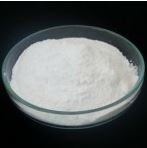
Calcium Carbonate nanoparticles (100g)
View Product
Calcium Carbonate Microparticles, ca. 3um
View Product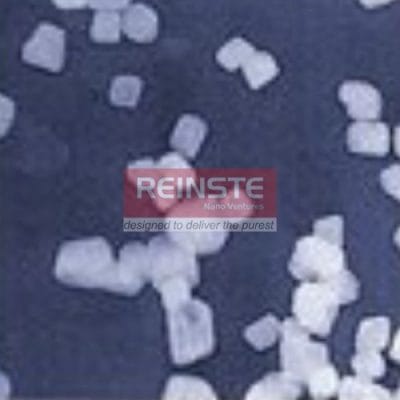
Calcium Carbonate microparticles (ca. 2-3 μm)
View ProductAdvance Your Research with Reinste
Ready to explore the full potential of Nano CaCO3 in your next project? Reinste provides high-quality nanomaterials and expert support to fuel your innovations.
Get in Touch Today