Nano CaCO3 and Calcium Carbonate Nanoparticles: Revolutionizing Food Packaging in India
Discover how advanced nanomaterials like Nano CaCO3 are transforming food preservation, safety, and sustainability, offering unprecedented opportunities for Indian researchers and industries. This deep dive into nano food packaging explores cutting-edge applications and future trends.
Explore NowThe Dawn of Nano Food Packaging: An Indian Perspective
In an era where food safety, extended shelf-life, and sustainable practices are paramount, the advent of nanotechnology presents a transformative solution. Specifically, Nano CaCO3 and Calcium Carbonate Nanoparticles are emerging as game-changers in the realm of food packaging. For Indian researchers and professionals, this field represents a vibrant frontier for innovation, offering opportunities to address critical challenges in food security, waste reduction, and consumer health. The unique properties of these advanced nanomaterials, such as their high surface area-to-volume ratio, excellent mechanical strength, and potential for functionalization, allow for the development of packaging solutions far superior to conventional materials. This is particularly relevant in India, a nation grappling with significant post-harvest losses, diverse climatic conditions, and a growing demand for safe, quality packaged food across its vast consumer base.
India, with its diverse agricultural landscape and extensive supply chains, faces unique challenges in food storage and distribution. Traditional packaging methods often fall short in preventing spoilage, contamination, and nutrient degradation, leading to substantial economic losses and food insecurity. This is where nanomaterials research steps in, providing advanced solutions that can significantly enhance the protective capabilities of packaging materials. By incorporating CaCO3 Nanocomposites, we can develop smart packaging that actively preserves food quality, reduces the need for chemical preservatives, and extends product viability from farm to fork. The application of nanoparticle applications in packaging is not just about extending shelf-life; it's about creating a paradigm shift in how we approach food preservation, making it more efficient, safer, and environmentally conscious, thereby contributing to national food security and economic stability.
This comprehensive guide delves into the intricate world of nano calcium carbonate in food packaging, exploring its scientific underpinnings, diverse applications, and the immense potential it holds for India's burgeoning nanotechnology sector. We will uncover how these tiny particles are making a colossal impact, from improving barrier properties against oxygen and moisture to enabling intelligent monitoring systems for freshness indicators, paving the way for a healthier and more sustainable food future. Understanding the precise synthesis, meticulous characterization, and seamless integration of these nanotechnology products is crucial for unlocking their full potential in the Indian context, driving both academic research and industrial innovation towards a new era of food preservation.
Key Benefits of Nano CaCO3 in Food Packaging for Indian Researchers & Industry
- Enhanced Barrier Properties: Nano CaCO3 significantly improves the gas barrier properties (oxygen, CO2, water vapor) of packaging films. This is crucial for extending the shelf-life of perishable goods, especially in India's diverse and often challenging climatic conditions, by preventing oxidation and moisture ingress that lead to spoilage.
- Improved Mechanical Strength: These calcium carbonate nanoparticles act as effective reinforcing agents, enhancing the tensile strength, stiffness, and puncture resistance of packaging materials. This improved durability is vital for robust supply chains, minimizing damage during transportation and handling, particularly important for fragile food items.
- Antimicrobial Activity: When functionalized or combined with other active agents, Nano CaCO3 can exhibit potent antimicrobial properties. This allows packaging to actively inhibit bacterial and fungal growth, reducing spoilage and the need for chemical preservatives, thereby boosting food safety and extending freshness.
- Cost-Effectiveness & Abundance: As a naturally abundant and relatively inexpensive material, Nano CaCO3 offers a highly cost-effective solution for developing high-performance packaging. This economic advantage makes it an attractive alternative to other more expensive advanced nanomaterials, facilitating wider adoption in the price-sensitive Indian market.
- UV Protection: Nanoparticles can effectively absorb or scatter UV radiation, protecting food products from photodegradation. This preservation of nutritional value, color, and flavor is particularly beneficial for light-sensitive foods and beverages, ensuring product quality over longer periods.
- Sustainability & Biodegradability Potential: Research into integrating Nano CaCO3 with biodegradable polymers offers promising pathways to more environmentally friendly packaging solutions. This aligns perfectly with India's growing focus on sustainability and reducing plastic waste, contributing to a greener future for the packaging industry.
- Reduced Food Waste: By significantly extending the shelf-life and preventing spoilage, nano food packaging directly contributes to reducing the substantial amount of food waste in India. This has profound economic and social benefits, improving food security and optimizing resource utilization.
- Innovation in Smart Packaging: Nano CaCO3 can be integrated into smart packaging systems for real-time monitoring of food quality and freshness indicators. This enables intelligent packaging solutions that provide visual cues or digital data to consumers and supply chain managers, enhancing transparency and trust.
- Local Sourcing Potential: India possesses significant reserves of calcium carbonate, presenting excellent opportunities for local sourcing and domestic production of these advanced nanomaterials. This fosters self-reliance, reduces import dependency, and stimulates growth within India's chemical and nanotechnology sectors.
- Versatility in Applications: The versatility of nanoparticle applications allows for tailored solutions across a wide spectrum of food products. From fresh produce and dairy to processed foods and beverages, Nano CaCO3 can be adapted to meet specific packaging requirements, offering broad utility for the Indian food industry.
Diverse Industrial Applications of CaCO3 Nanocomposites in India
Fresh Produce Packaging
For fruits, vegetables, and other perishables, Nano CaCO3-enhanced films can significantly regulate gas exchange, optimizing the internal atmosphere of the package. This leads to extended freshness, reduced respiration rates, and minimized spoilage during transit and storage, which is particularly crucial for India's vast agricultural output and its diverse climatic zones.
Dairy and Meat Products
Improved oxygen barriers provided by calcium carbonate nanoparticles are absolutely vital for dairy and meat products. These barriers prevent oxidation, rancidity, and the proliferation of aerobic microbes, thereby significantly enhancing product safety, extending shelf-life, and maintaining sensory qualities for consumers across India.
Beverage and Liquid Packaging
CaCO3 Nanocomposites can substantially strengthen plastic bottles, cartons, and pouches used for beverages and other liquids. They reduce permeability to gases (like oxygen and CO2) and light, preserving the flavor, carbonation, and nutritional quality of beverages, offering robust and reliable packaging solutions for the Indian beverage industry.
Edible Coatings & Films
Beyond traditional packaging, Nano CaCO3 can be innovatively incorporated into edible coatings for direct application on food surfaces. This provides an additional, often invisible, layer of protection, reducing moisture loss, inhibiting microbial growth, and extending the freshness of fruits, vegetables, and other susceptible food items, thereby reducing waste.
Active & Intelligent Packaging
The unique ability of nanoparticle applications to interact with food or its surrounding environment enables the creation of advanced active packaging (e.g., oxygen scavengers, moisture absorbers) and intelligent packaging (e.g., time-temperature indicators, freshness sensors). These innovations revolutionize real-time food monitoring and quality assurance in supply chains.
Biodegradable Packaging Solutions
Integrating Nano CaCO3 into biodegradable polymers significantly enhances their mechanical properties and barrier performance, making them viable and high-performing alternatives to conventional, non-biodegradable plastics. This crucial development supports a circular economy and helps in tackling plastic pollution challenges prevalent in India.
India's Growing Landscape: Opportunities and Trends in Nano Food Packaging
The Indian market for nanotechnology products, particularly in the food sector, is poised for significant growth. Driven by increasing consumer awareness regarding food safety, a rising demand for packaged goods due to urbanization, and governmental emphasis on 'Make in India' and 'Atmanirbhar Bharat' initiatives, the research and development in Nano CaCO3 and Calcium Carbonate Nanoparticles is gaining unprecedented momentum. Academic institutions, national research laboratories, and private industries are increasingly collaborating on interdisciplinary projects related to nanomaterials research, focusing on localized, climate-resilient solutions for food preservation and smart packaging.
Key trends include the development of cost-effective, energy-efficient, and scalable methods for nano chemical synthesis of CaCO3 nanoparticles, ensuring their safe and compliant integration into food-contact materials. There's a strong emphasis on comprehensive nanoparticle characterization using advanced analytical techniques to meet stringent national and international regulatory standards for food safety. Furthermore, the push towards sustainable and eco-friendly packaging is accelerating research into biodegradable polymers reinforced with Nano CaCO3, aiming to reduce plastic pollution while maintaining high performance and extending shelf-life. This strategic intersection of sustainability, innovation, and advanced materials presents a fertile ground for both fundamental research and commercialization.
Investment in advanced manufacturing techniques, the establishment of specialized nanotechnology incubation centers, and public-private partnerships are creating a robust ecosystem for further exploration and commercial deployment of Advanced Nanomaterials. Indian startups are also venturing boldly into this space, developing novel CaCO3 Nanocomposites for various food packaging applications, from active films to intelligent labels. The overarching focus remains on leveraging the unique properties of these nanoparticles to deliver superior food protection, extend the market reach for India's vast agricultural products, and contribute significantly to India's economic growth and global scientific standing through cutting-edge scientific advancement and technological innovation.
Frequently Asked Questions about Nano CaCO3 in Food Packaging
Explore Related Products

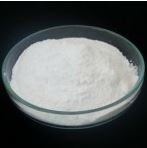

Ready to Innovate with Nano CaCO3?
Partner with Reinste for high-quality Calcium Carbonate Nanoparticles and expert guidance to advance your research and industrial applications in nano food packaging and beyond. Explore our comprehensive range of advanced nanomaterials and unlock new possibilities for your projects. We are committed to supporting Indian researchers and industries in their pursuit of scientific excellence and technological breakthroughs.
Get in Touch Today