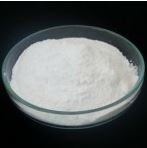
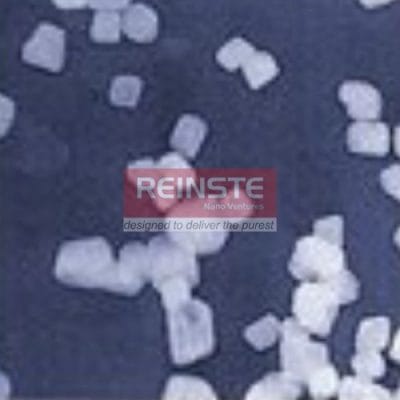
India's commitment to scientific advancement and industrial growth has created a dynamic environment for nanotechnology, with nanocrystalline calcium carbonate emerging as a material of significant interest. The "Make in India" initiative, coupled with substantial investments in research infrastructure, is propelling the development of indigenous solutions using advanced materials. This section explores the specific opportunities and trends shaping the future of nano calcium applications in India.
Growing Demand in Key Sectors
The demand for nanocrystalline CaCO3 is witnessing a steady surge across several key Indian industries. The automotive sector, driven by the need for lightweight and high-performance components, is increasingly adopting polymer composites reinforced with nano CaCO3. Similarly, the construction industry, with its focus on durable and sustainable building materials, is exploring its use in concrete and coatings. The biomedical sector, particularly in drug delivery and orthopedics, sees immense potential in biocompatible CaCO3 nanoparticles. This sustained demand underscores the economic viability and strategic importance of these nanomaterials for India.
Research and Development Initiatives
Indian research institutions and universities are actively engaged in cutting-edge research on nanocrystalline CaCO3 synthesis, characterization, and application development. Projects funded by government bodies like the Department of Science and Technology (DST) and the Council of Scientific and Industrial Research (CSIR) are focusing on developing cost-effective synthesis methods and exploring novel applications. Collaborative efforts between academia and industry are also fostering the translation of laboratory-scale discoveries into commercial products, creating a robust ecosystem for nano calcium applications.
Focus on Sustainable and Green Technologies
With a strong global push towards sustainability, India is at the forefront of adopting green technologies. Nanocrystalline CaCO3, being a natural and non-toxic material, aligns perfectly with these objectives. Its use in eco-friendly paints, biodegradable plastics, and environmental remediation processes highlights its role in fostering a circular economy. Indian researchers are particularly interested in developing sustainable methods for CaCO3 synthesis nano, minimizing environmental impact throughout its lifecycle.
Emergence of Specialized Manufacturers
The increasing demand has led to the emergence of specialized manufacturers and suppliers of nanocrystalline CaCO3 in India. These companies are focusing on producing high-purity, tailor-made nanoparticles with controlled morphology to meet specific industrial requirements. This local production capacity not only reduces reliance on imports but also fosters a competitive market, ensuring the availability of quality materials for researchers and industries.
Future Prospects and Innovation
The future of nanocrystalline CaCO3 in India appears promising, with continuous innovation driving new applications. Areas like smart materials, advanced filtration systems, and even agricultural applications (as a nutrient supplement or soil conditioner) are under active investigation. The interdisciplinary nature of nanotechnology means that breakthroughs in one field can quickly translate into opportunities in others, making nanocrystalline CaCO3 a key enabler for India's technological future. Continued investment in research, infrastructure, and skilled manpower will be crucial to unlock the full potential of these transformative materials.