Advancements in Nano Calcium Carbonate: Synthesis, Applications, and Research in India
Explore the cutting-edge advancements in Nano CaCO3 synthesis methods, properties, and diverse applications, offering invaluable insights for Indian researchers and industries.
Learn MoreThe Dawn of Nano Calcium Carbonate: A Revolution for Indian R&D
In the dynamic landscape of materials science, Nano Calcium Carbonate (Nano CaCO3) stands out as a material of immense potential. Its unique properties, stemming from its nanoscale dimensions, have opened up a plethora of applications across various industries. For Indian researchers and professionals, understanding the intricacies of Calcium carbonate synthesis at the nanoscale, its characteristics, and its diverse uses is paramount to fostering innovation and driving technological advancements.
India's robust research and development ecosystem is increasingly focusing on nanotechnology chemicals and nanoparticle research. Nano CaCO3, with its high surface area-to-volume ratio, enhanced reactivity, and tunable properties, presents a compelling area of study. From reinforcing polymers to serving as a crucial component in pharmaceuticals and cosmetics, the versatility of CaCO3 nanoparticles is truly remarkable.
This blog post delves deep into the world of Nano Calcium Carbonate, exploring various synthesis methods of nano CaCO3, its critical role in modern industries, and the burgeoning opportunities it presents for the Indian scientific community. We aim to provide a humanized, informative, and SEO-optimized overview that resonates with both seasoned researchers and budding scientists.
The journey into the nanoscale realm of calcium carbonate is not just about scientific discovery; it's about unlocking economic potential and addressing industrial challenges with sophisticated, high-performance materials. As India continues its trajectory towards becoming a global leader in scientific research and manufacturing, the strategic adoption and development of advanced nanomaterials like Nano CaCO3 will play a pivotal role.
Why Nano CaCO3 Matters: Benefits for Indian Researchers
-
Enhanced Material Properties
CaCO3 nanoparticles significantly improve the mechanical, optical, and thermal properties of composites. Researchers can achieve superior strength, stiffness, and transparency in materials by incorporating Nano CaCO3, leading to novel applications in various sectors.
-
Versatile Synthesis Pathways
Indian researchers have access to a wide array of synthesis methods of nano CaCO3, including precipitation, carbonation, and sol-gel techniques. This versatility allows for the precise control of particle size, morphology, and surface chemistry, tailoring the nanoparticles for specific research needs.
-
Cost-Effective Solutions
Compared to other high-performance nanomaterials, Nano Calcium Carbonate offers a more economical alternative for improving product performance. This cost-effectiveness makes it an attractive option for widespread adoption in Indian industries, fostering sustainable innovation.
-
Broad Application Spectrum
From polymers and paints to paper and pharmaceuticals, the applications of Nano CaCO3 are incredibly diverse. This broad spectrum provides numerous avenues for interdisciplinary research and collaboration within the Indian scientific community, driving innovation in Nano calcium applications.
-
Environmental Sustainability
Nano CaCO3 can contribute to greener technologies by replacing less sustainable fillers and additives. Its natural abundance and benign nature make it an environmentally friendly choice, aligning with India's growing focus on sustainable development and nanomaterial innovation.
-
Driving Nanotechnology Research
The study of Nano CaCO3 pushes the boundaries of nanoparticle research, leading to a deeper understanding of nanomaterial properties and their interactions. This fundamental research is crucial for advancing India's position in global nanotechnology.
Industrial Impact: Key Applications of Nano Calcium Carbonate
Polymer and Plastic Industry
Nano CaCO3 acts as an excellent reinforcing filler in polymers, enhancing mechanical strength, impact resistance, and surface finish. It is widely used in PVC, polypropylene, and polyethylene products, leading to lighter yet stronger plastics for various applications, from automotive components to packaging. This is a significant area for industrial nanotechnology in India.
Paints, Coatings, and Adhesives
In paints and coatings, CaCO3 nanoparticles improve gloss, opacity, and weather resistance. They also reduce cracking and chalking, extending the lifespan of coated surfaces. In adhesives, they enhance bond strength and rheological properties, making them indispensable for high-performance formulations.
Paper Manufacturing
The paper industry benefits from Nano Calcium Carbonate as a filler and coating pigment. It improves paper brightness, opacity, printability, and reduces production costs. The finer particle size allows for higher filler loading without compromising paper strength, a key factor in sustainable paper production.
Pharmaceuticals and Cosmetics
Due to its biocompatibility, Nano CaCO3 finds applications in drug delivery systems, bone regeneration, and as a supplement. In cosmetics, it's used in powders, creams, and toothpastes for its abrasive, opacifying, and bulking properties. This highlights its role in advanced healthcare and personal care products.
Rubber and Sealants
As a reinforcing filler, Nano CaCO3 improves the tensile strength, tear resistance, and abrasion resistance of rubber products. It is crucial in tire manufacturing, conveyor belts, and various sealing applications, contributing to enhanced product durability and performance.
Environmental Applications
Nano CaCO3 is also explored for environmental remediation, such as wastewater treatment and CO2 capture. Its high surface area makes it an effective adsorbent for pollutants, showcasing its potential in addressing pressing environmental challenges in India and globally.
India's Nano CaCO3 Landscape: Opportunities and Emerging Trends
India is rapidly emerging as a hub for nanotechnology chemicals and nanoparticle research. The government's push for "Make in India" and increased funding for scientific research have created fertile ground for advancements in materials like Nano Calcium Carbonate. Several key trends are shaping the future of Nano CaCO3 in the Indian context:
Growing Demand in Infrastructure and Automotive
With massive investments in infrastructure development and a booming automotive sector, the demand for high-performance materials is soaring. Nano CaCO3, with its ability to enhance the durability and reduce the weight of plastics and composites, is becoming indispensable. This presents significant opportunities for local manufacturers and researchers focusing on advanced nanomaterials for these sectors.
Focus on Sustainable and Green Synthesis
There's a strong emphasis on developing environmentally friendly synthesis methods of nano CaCO3. Indian researchers are exploring green chemistry approaches, utilizing natural resources, and minimizing energy consumption during production. This aligns with global sustainability goals and positions India as a leader in eco-conscious nanomaterial innovation.
Interdisciplinary Research and Collaboration
The versatility of CaCO3 nanoparticles encourages interdisciplinary collaboration between chemists, materials scientists, engineers, and biotechnologists. This synergy is crucial for unlocking novel Nano calcium applications in fields like biomedicine, agriculture, and environmental science, fostering a holistic approach to nanoparticle research.
Advancements in Characterization Techniques
As the complexity of nanomaterial properties increases, so does the need for sophisticated characterization tools. Indian institutions are investing in advanced microscopy, spectroscopy, and diffraction techniques to accurately analyze Nano CaCO3, ensuring quality control and facilitating fundamental research.
Bridging the Gap Between Academia and Industry
Efforts are being made to translate laboratory-scale research into industrial applications. Partnerships between academic institutions and industries are crucial for scaling up Nano CaCO3 production and integrating it into commercial products. This collaboration will accelerate the adoption of industrial nanotechnology solutions across various sectors in India.
The future of Nano Calcium Carbonate in India is bright, driven by robust research, industrial demand, and a commitment to sustainable innovation. Researchers and professionals who stay abreast of these trends will be at the forefront of this exciting field.
Frequently Asked Questions about Nano Calcium Carbonate
Nano Calcium Carbonate (Nano CaCO3) refers to calcium carbonate particles with dimensions typically ranging from 1 to 100 nanometers. Its key characteristics include a significantly high surface area-to-volume ratio, leading to enhanced reactivity, improved dispersion in matrices, and tunable optical and mechanical properties. These unique nanomaterial properties make it superior to conventional calcium carbonate in many applications.
Several synthesis methods of nano CaCO3 are employed, each offering control over particle size, morphology, and purity. Common methods include precipitation from solution (carbonation method, direct carbonation), sol-gel synthesis, hydrothermal synthesis, and microemulsion techniques. The choice of method depends on the desired end-use and specific nanoparticle research objectives.
In the Indian polymer industry, Nano CaCO3 is a crucial additive. It significantly improves the mechanical properties of polymers like PVC, PP, and PE, enhancing tensile strength, impact resistance, and stiffness. It also acts as a cost-effective filler, allowing for material reduction while maintaining or improving performance, which is vital for competitive manufacturing and industrial nanotechnology.
Emerging Nano calcium applications in healthcare include advanced drug delivery systems, where nanoparticles can encapsulate and deliver therapeutic agents more efficiently. They are also being explored in bone tissue engineering and regeneration due to their biocompatibility and similarity to natural bone minerals. This area of nanotechnology chemicals holds immense promise for medical advancements.
Indian researchers can source high-quality Nano CaCO3 from specialized chemical suppliers and nanotechnology material providers. Companies like Hiyka and Reinste offer a range of nanoparticle research materials, including various grades of calcium carbonate nanoparticles, ensuring researchers have access to reliable and consistent products for their experiments and development of advanced nanomaterials.
Related Products for Your Research

Calcium Carbonate Nanoparticles (25g)
View Product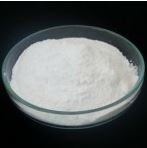
Calcium Carbonate nanoparticles (100g)
View Product
Calcium Carbonate Microparticles, ca. 3um
View Product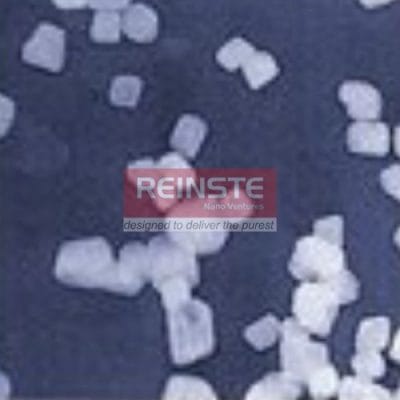
Calcium Carbonate microparticles (ca. 2-3 μm)
View ProductReady to Explore Nano Calcium Carbonate for Your Research?
Connect with our experts to find the right nanotechnology chemicals and solutions tailored to your specific needs. Reinste and Hiyka are committed to empowering Indian researchers and industries with cutting-edge materials.
Get in Touch Today