
An Introduction to Nano Borides and Laboratory Safety in India
Nano borides, a class of advanced ceramic materials, are at the forefront of materials science research in India and across the globe. Comprising compounds like titanium boride (TiB₂), zirconium boride (ZrB₂), and hafnium boride (HfB₂), these materials exhibit an extraordinary combination of properties: extreme hardness, high melting points, excellent thermal and electrical conductivity, and superior chemical inertness. These characteristics make them indispensable in high-performance applications, from aerospace components and cutting tools to refractory linings and defense armor.
As Indian research institutions and industries accelerate their work with these nanomaterials, the focus on nano borides safety becomes paramount. The unique properties of nanoparticles—specifically their high surface-area-to-volume ratio and quantum effects—can present novel health and safety challenges. Inhaling or improperly handling these fine powders can lead to respiratory and dermal issues. Therefore, establishing and adhering to robust laboratory safety protocols is not just a matter of compliance but a fundamental responsibility for protecting researchers and the environment. This guide addresses the critical need for clear India safety guidelines for handling these hazardous materials, ensuring that innovation can proceed safely and responsibly.
Why Researchers Should Prioritize Nano Boride Safety
Adhering to strict safety protocols when working with nano borides offers numerous benefits beyond mere compliance. It fosters a culture of excellence and responsibility that enhances research outcomes.
- Ensures Personal Health & Well-being: Proper handling minimizes the risk of exposure to potentially hazardous materials, protecting researchers from short-term irritation and long-term health complications.
- Maintains Data Integrity: A controlled and safe laboratory environment prevents cross-contamination of samples, leading to more accurate and reproducible experimental results.
- Promotes a Culture of Safety: Following established guidelines encourages a responsible research culture, which is crucial for training the next generation of scientists and technicians in India.
- Prevents Costly Accidents: Incidents involving hazardous materials can lead to equipment damage, laboratory downtime, and significant cleanup costs. Proactive safety measures are a sound economic investment.
- Enhances Institutional Reputation: Research labs known for their stringent safety standards attract top talent and are more likely to secure funding and collaborative partnerships.
Essential Nano Borides Safety Guidelines for Your Laboratory
Implementing a multi-layered safety approach is crucial. Here are the key pillars of nano boride safety protocols tailored for the Indian research context.
1. Engineering Controls
The first line of defense is to contain the material. Always handle nano boride powders inside a certified chemical fume hood, a glove box, or a powder containment balance enclosure. This prevents aerosolization and inhalation, which is the primary route of exposure. Ensure ventilation systems are regularly inspected and meet national standards.
2. Personal Protective Equipment (PPE)
Appropriate PPE is non-negotiable. This includes:
- Gloves: Nitrile or neoprene gloves to prevent skin contact.
- Eye Protection: Chemical splash goggles with side shields.
- Lab Coat: A dedicated lab coat that does not leave the laboratory.
- Respiratory Protection: An N95 or P100 respirator is essential when handling dry powders, especially outside of a fume hood.
3. Safe Handling & Storage
Store nano borides in tightly sealed, clearly labeled containers in a cool, dry, and well-ventilated area away from incompatible materials. Use tools like spatulas and weigh boats dedicated to nanomaterial handling. When cleaning, use a HEPA-filtered vacuum or wet wiping methods; never dry sweep, as this can disperse fine particles into the air.
4. Waste Disposal & Emergency Procedures
Nano boride waste must be treated as hazardous. Collect all contaminated materials (gloves, wipes, etc.) in a sealed, labeled hazardous waste container. Disposal must comply with India's Hazardous Waste Management Rules. Ensure an emergency plan is in place, with access to safety showers, eyewash stations, and appropriate fire extinguishers (Class D for combustible metals, if applicable).
Industrial Applications Driving Nano Boride Research in India
The remarkable properties of nano borides make them critical for several high-growth sectors in India. Understanding these applications highlights why robust safety research is so vital.
Aerospace & Defense
Used in high-temperature structural components like rocket nozzles, leading edges for hypersonic vehicles, and lightweight armor due to their extreme hardness and thermal stability.
Cutting Tools & Abrasives
As composites, nano borides create exceptionally hard cutting tools and grinding wheels for machining hard steels and other alloys, boosting manufacturing efficiency.
Refractory & High-Temperature Ceramics
Their high melting points make them ideal for crucibles to melt metals, thermocouple protection tubes, and as linings in industrial furnaces.
Future Outlook: Nano Boride Market and Research Trends in India
The nano borides market in India is poised for significant growth, driven by the "Make in India" initiative and increased government funding for R&D in strategic sectors. As demand from aerospace, defense, and heavy manufacturing grows, so does the need for reliable nano borides suppliers and advanced nano borides synthesis techniques. Indian researchers are actively engaged in nano borides research to explore novel nano borides properties and develop new nano boride compounds with tailored characteristics. This burgeoning activity underscores the critical importance of embedding nano borides safety protocols into the very fabric of research and development. Establishing clear, national nano borides safety guidelines in laboratory India will not only protect our valuable scientific workforce but also position India as a global leader in the responsible development of advanced materials.
Related Nano Boride Products

Titanium Boride Nanopowder (3-8microns)
View Product →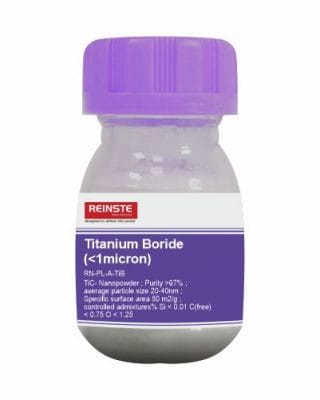
Titanium Boride (<1micron)
View Product →
High-Temperature Structural Materials Zirconium Diboride Nanopowder, 100-200nm, 300-500nm, 1-3um, 3-5um (ZrB2)
View Product →Frequently Asked Questions
What are the primary hazards associated with nano borides?
The primary hazards of nano borides include inhalation toxicity, dermal irritation, and potential flammability or reactivity, especially for finer powders. Their small size allows them to penetrate biological barriers, posing unique health risks that require specialized handling.
What specific PPE is required when handling nano boride powders?
At a minimum, personnel should wear nitrile gloves, a lab coat, and safety goggles with side shields. For handling dry powders outside a controlled environment, a P100-rated respirator or a powered air-purifying respirator (PAPR) is essential to prevent inhalation.
Are there specific waste disposal guidelines for nano borides in India?
Yes, nano boride waste is classified as hazardous. It must be collected in clearly labeled, sealed containers and disposed of through an authorized hazardous waste management facility, following the guidelines set by the Central Pollution Control Board (CPCB) and local State Pollution Control Boards in India.
How can we minimize aerosolization of nano borides during experiments?
To minimize aerosolization, handle nano borides in a powder-containment glove box or a chemical fume hood with proper airflow. Use wet-wiping for cleaning surfaces instead of dry sweeping. If possible, work with nano borides in a liquid suspension or slurry to prevent dust generation.
Ready to Enhance Your Research with Safe, High-Quality Materials?
Explore our extensive catalog of nano borides and other advanced materials, or contact our experts for guidance on your specific application needs.
Contact Us Today