The Dawn of a New Materials Era in India
India, a nation on a rapid trajectory of technological advancement, is witnessing a paradigm shift in its research and industrial sectors. At the heart of this transformation lies the field of materials science, where the quest for stronger, lighter, and more resilient materials is paramount. Enter nano borides and graphene boride composites—two classes of advanced materials poised to redefine the boundaries of what's possible. From the ambitious 'Make in India' initiative to the cutting-edge developments at ISRO and DRDO, the demand for high-performance materials has never been higher.
Nano borides, which are ceramic materials with exceptional hardness and thermal stability at the nanoscale, offer unprecedented enhancements to material properties. When combined with graphene, the "wonder material" known for its incredible strength and conductivity, the resulting composites create a synergy that unlocks applications previously confined to theory. For Indian researchers, engineers, and manufacturers, understanding these materials is no longer just an academic exercise; it's a strategic imperative. This guide serves as a comprehensive resource, exploring the properties, applications, and future of nanostructured borides, and crucially, connecting you with trusted nano boride suppliers to fuel your next big innovation.
Why Researchers are Turning to Nano Borides
For the Indian research community, from academic institutions to corporate R&D labs, boron nanoparticles and their compounds represent a fertile ground for discovery. The unique properties of these materials offer significant advantages:
- Unmatched Hardness and Wear Resistance: Nano borides like Titanium Boride (TiB₂) and Zirconium Diboride (ZrB₂) are among the hardest materials known. This makes them ideal for developing wear-resistant coatings, cutting tools, and durable components that can withstand extreme mechanical stress.
- Exceptional Thermal Stability: These materials maintain their structural integrity at ultra-high temperatures (often exceeding 3000°C). This is a critical property for applications in aerospace, such as rocket nozzles, and for high-temperature structural materials in defense and energy sectors.
- Superior Electrical and Thermal Conductivity: The unique electronic structure of certain borides provides excellent conductivity. This opens up possibilities in advanced electronics, particularly in creating heat sinks and conductive elements that operate reliably in harsh environments.
- Chemical Inertness: Nano borides are highly resistant to chemical corrosion, making them suitable for use in chemically aggressive environments, such as in the manufacturing of crucibles for molten metals or protective linings in chemical reactors.
- Enhanced Composite Performance: As reinforcing agents in graphene boride composites, they dramatically improve the mechanical and thermal properties of the host matrix without adding significant weight, a key requirement in automotive and aerospace engineering.
Industrial Uses of Borides: Powering India's Core Sectors
Aerospace & Defense
In India's burgeoning aerospace and defense industries, weight reduction without compromising strength is critical. Nanostructured borides are used in high-velocity armor plating, components for hypersonic vehicles, and rocket nozzles due to their incredible thermal and mechanical stability.
Automotive & Transportation
From high-performance brake pads to wear-resistant engine components, nano borides improve the longevity and safety of vehicles. Their inclusion in metal matrix composites helps create lighter and more fuel-efficient cars, a key goal for the Indian automotive market.
Advanced Electronics
The excellent thermal conductivity of materials like Zirconium Diboride makes them perfect for thermal management solutions in high-power electronics. They are used as heat sinks and substrates, ensuring that sensitive components do not overheat, thus enhancing performance and lifespan.
Cutting Tools & Abrasives
The extreme hardness of nano borides allows them to be used in cutting tools and industrial abrasives that can machine superalloys and other hard materials. This is vital for India's heavy manufacturing and precision engineering sectors.
Nuclear Energy
Boron's ability to absorb neutrons makes boron-based nanomaterials, including boron nanoparticles and borides, essential for control rods and shielding in nuclear reactors, contributing to the safety and efficiency of India's nuclear power program.
Refractory & Metallurgy
Due to their high melting points and resistance to molten metals, nano borides are used to make crucibles and linings for furnaces in the metallurgical industry, ensuring process purity and equipment longevity.
Opportunities and Future Trends in India
The landscape for nano borides in nanotechnology is expanding rapidly within India. Government initiatives are increasingly focused on fostering domestic R&D and manufacturing capabilities in advanced materials. This creates a significant opportunity for researchers and industries to innovate. The key is to secure a reliable supply chain. This is where established nano boride suppliers play a pivotal role, providing access to high-purity materials essential for groundbreaking research.
One of the most exciting trends is the development of novel graphene boride composites. Indian research institutions are actively exploring various boride synthesis methods to create bespoke materials tailored for specific applications, from lightweight satellite components to next-generation battery electrodes. As this field matures, the collaboration between academia and industry, facilitated by knowledgeable suppliers, will be the engine of progress. The ability to source consistent, high-quality nanostructured borides will directly impact the pace of innovation and India's position as a global leader in materials science.
Recommended Nano Boride Products

Titanium Boride Nanopowder (3-8microns)
View Product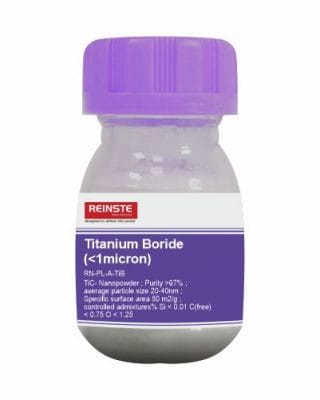
Titanium Boride (<1micron)
View Product
High-Temperature Structural Materials Zirconium Diboride Nanopowder, 100-200nm, 300-500nm, 1-3um, 3-5um (ZrB2)
View ProductFrequently Asked Questions
Ready to Innovate with Advanced Materials?
Connect with our experts to find the perfect nano boride and graphene composite materials for your specific research or industrial application. Let's build the future together.
Get in Touch