
Unveiling Nano Alumina: Properties, Characterization, and Applications for Indian Innovation
Dive deep into the fascinating world of nano alumina, exploring its exceptional characteristics, cutting-edge characterization methods, and its pivotal role in driving technological advancements and industrial growth within India's dynamic research landscape.
Explore Nano Alumina ApplicationsIntroduction to Nano Alumina: A Catalyst for Indian R&D
Nano alumina, or nano-sized aluminum oxide (Al2O3), represents a class of advanced nanomaterials with extraordinary properties that diverge significantly from its bulk counterpart. These unique characteristics stem primarily from its high surface area-to-volume ratio, quantum confinement effects, and altered surface chemistry at the nanoscale. Unlike conventional alumina, which is widely used as an abrasive or refractory material, nano alumina's enhanced reactivity and surface activity open up a realm of possibilities for groundbreaking scientific and industrial applications.
For Indian researchers and professionals, understanding nano alumina is not merely an academic exercise but a gateway to unlocking transformative solutions across a myriad of sectors, from high-performance ceramics and catalysts to advanced electronics and biomedical devices. India's burgeoning scientific and industrial ecosystem is increasingly focusing on indigenous innovation, making the exploration of such foundational nanomaterials critically important. The ability to precisely control the synthesis, manipulate the properties, and accurately characterize nano alumina is paramount for its successful integration into next-generation technologies. This comprehensive guide aims to shed light on the multifaceted aspects of nano alumina, providing valuable insights tailored for the discerning Indian scientific community, fostering a deeper appreciation for its potential to revolutionize various fields. Our exploration will cover its fundamental properties, the sophisticated techniques used for its characterization, and its diverse applications, with a special emphasis on its relevance to India's journey towards scientific and technological self-reliance.
The unique properties of nano alumina, such as its exceptional hardness, high thermal conductivity, and chemical inertness, are amplified at the nanoscale, making it an indispensable material in the development of advanced functional materials. Its role extends beyond traditional applications, paving the way for innovations in areas like environmental remediation, energy storage, and even targeted drug delivery. By delving into the science behind nano alumina, we aim to empower the Indian research and industrial community to leverage this versatile nanomaterial for sustainable development and global competitiveness.
Key Benefits of Nano Alumina for Researchers and Industries
For researchers, engineers, and scientists engaged in the forefront of nanotechnology in India, the study and application of nano alumina offer a plethora of benefits, driving innovation and efficiency across various domains:
- Enhanced Catalytic Activity: The exceptionally high surface area and unique surface defect sites of nano alumina significantly boost its performance as a catalyst and catalyst support. This is crucial for accelerating chemical reactions in critical industries such as petrochemicals, fine chemical synthesis, and environmental remediation, leading to more efficient processes and reduced energy consumption.
- Superior Mechanical Properties: Incorporating nano alumina into polymer, metal, or ceramic composites can dramatically improve their mechanical properties, including hardness, wear resistance, and tensile strength. This opens doors for the development of advanced materials used in high-stress applications in aerospace, automotive components, and defense sectors, where material durability is paramount.
- Advanced Thermal Management: Nano alumina exhibits excellent thermal conductivity, making it an ideal material for heat dissipation in high-performance electronic devices. Its integration helps in managing thermal loads, thereby enhancing the reliability and lifespan of electronics, which is critical for India's rapidly expanding electronics manufacturing and IT industries.
- Biocompatibility and Drug Delivery Potential: Certain forms and surface modifications of nano alumina exhibit promising biocompatibility, making them candidates for advanced drug delivery systems, bio-imaging, and medical implants. This aligns perfectly with India's growing focus on healthcare innovation and the development of advanced medical technologies.
- Tunable Optical and Electrical Properties: The ability to precisely tailor the optical and electrical properties of nano alumina at the nanoscale allows for its innovative use in sensors, optoelectronics, and transparent conductive coatings. This tunability is vital for developing next-generation displays, solar cells, and smart sensing technologies.
- Exceptional Corrosion and Chemical Resistance: As a protective coating, nano alumina offers outstanding resistance to corrosion, abrasion, and chemical attack. This property extends the lifespan of materials and components operating in harsh environments, reducing maintenance costs and improving operational efficiency across various industrial applications.
- Cost-Effective and Sustainable Solutions: With continuous advancements in synthesis techniques, nano alumina is becoming more accessible and cost-effective to produce. This enables broader adoption in various industrial applications within India, fostering sustainable material development and contributing to a circular economy.
Diverse Applications of Nano Alumina Across Indian Industries
Catalysis and Adsorption
Nano alumina serves as an excellent catalyst support and active catalyst in numerous industrial processes. Its high surface area and tunable porosity are critical for reactions like hydrodesulfurization in petroleum refining, selective catalytic reduction (SCR) for NOx emission control, and various organic synthesis reactions. In India, its application in environmental remediation, particularly for water purification and gas separation, is gaining traction due to its superior adsorption capabilities for pollutants.
Advanced Ceramics and Composites
In the advanced ceramics industry, nano alumina is utilized to produce high-strength, wear-resistant components for cutting tools, ballistic protection, and refractory linings in high-temperature furnaces. When incorporated into polymer and metal matrix composites, it significantly enhances mechanical strength, thermal stability, and electrical insulation, making it vital for high-performance applications in the aerospace, automotive, and defense sectors within India.
Electronics and Optoelectronics
Nano alumina finds critical application as a high-k dielectric material in microelectronics, improving the performance and reducing the size of capacitors and gate insulators in transistors. Its excellent insulating properties, coupled with its transparency and high refractive index, also make it suitable for optical coatings, LEDs, and solid-state lighting, contributing significantly to India's burgeoning electronics manufacturing and innovation landscape.
Biomedical and Healthcare
Research in India is actively exploring nano alumina for its potential in advanced biomedical applications. Its high surface area allows for efficient drug loading in targeted drug delivery systems, while its inertness makes it a promising material for bio-imaging as a contrast agent. Furthermore, its mechanical strength and biocompatibility are being investigated for use in dental and orthopedic implants, offering durable and safe solutions for medical advancements.
Coatings and Surface Engineering
As a key component in protective coatings, nano alumina significantly enhances scratch resistance, corrosion protection, and thermal barrier properties on various substrates. This extends the durability and performance of industrial equipment, automotive parts, and consumer goods, reducing wear and tear in harsh operating environments and contributing to longer product lifecycles and reduced maintenance costs.
Energy Storage and Conversion
In the realm of energy, nano alumina is being actively investigated as an essential additive in battery electrolytes and electrodes. It helps to improve the stability, safety, and cycle life of lithium-ion batteries and other advanced energy storage devices. This application is crucial for supporting India's ambitious goals in electric vehicles and the widespread adoption of renewable energy storage solutions.
Nano Alumina: Opportunities and Trends in the Indian Landscape
India stands at the cusp of a nanotechnology revolution, with nano alumina poised to play a significant role in its trajectory. Several key trends and opportunities are emerging, driven by both governmental initiatives and private sector innovation. The 'Make in India' and 'Atmanirbhar Bharat' campaigns are providing a strong impetus for indigenous research and development in advanced materials, including nano alumina. Indian institutions like the Indian Institutes of Technology (IITs), Indian Institute of Science (IISc), and various national laboratories are actively engaged in cutting-edge research on nano alumina synthesis, functionalization, and application development, fostering a robust ecosystem for innovation.
One prominent trend is the increasing focus on sustainable and green synthesis routes for nano alumina. Researchers are exploring novel methods that are energy-efficient, utilize readily available and eco-friendly precursors, and minimize environmental impact while ensuring high-quality production. This approach is not only environmentally responsible but also makes the technology more accessible and scalable within India, reducing reliance on imported materials and technologies. Furthermore, the demand for high-purity nano alumina for specialized applications, such as in advanced electronics, precision optics, and medical diagnostics, is creating significant market opportunities for domestic manufacturers and suppliers, encouraging local production and value addition.
The integration of Artificial Intelligence (AI) and Machine Learning (ML) in predicting and optimizing nano alumina properties and synthesis parameters is another exciting development that promises to accelerate material discovery and design. This computational approach can significantly reduce experimental costs and time, which is particularly beneficial for resource-conscious R&D environments in India. Collaborative research between academia and industry is also gaining significant momentum, effectively bridging the gap between fundamental scientific discoveries and practical industrial applications, ensuring that innovations in nano alumina translate into tangible economic benefits and societal impact.
Moreover, the rising awareness and substantial investment in critical areas like renewable energy, electric vehicles, and smart infrastructure are directly fueling the demand for advanced materials like nano alumina. Its enhanced performance characteristics, such as improved thermal management and superior mechanical properties, are essential for developing more efficient, durable, and sustainable solutions in these sectors. India's strategic geographical location, coupled with its vast pool of scientific talent and supportive policy frameworks, positions it uniquely to become a global hub for nano alumina research, development, and manufacturing, contributing significantly to the global nanotechnology landscape and fostering a new era of material science innovation.
Frequently Asked Questions about Nano Alumina
Ready to Innovate with Nano Alumina?
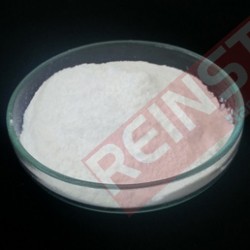
Ready to harness the power of Nano Alumina for your next innovation? Explore Reinste's comprehensive range of high-quality nano alumina products and advanced material solutions. Whether you're a researcher seeking cutting-edge materials or an industry professional looking for performance-enhancing additives, Reinste is your trusted partner. Contact us today to discuss your specific requirements and discover how our expertise can accelerate your projects.
Get in Touch with Reinste