
Unlocking the Potential of Nano Alumina: Applications, Benefits, and Future Trends for Indian R&D
Discover how nano alumina is revolutionizing various sectors, from textiles to advanced coatings, offering unparalleled opportunities for Indian researchers and industries.
Explore ApplicationsIntroduction to Nano Alumina: A Game-Changer for Indian Innovation
In the rapidly evolving landscape of material science, nano alumina (Al2O3 nanoparticles) stands out as a material with extraordinary potential. These minuscule particles, typically ranging from 1 to 100 nanometers, possess unique properties that far surpass their bulk counterparts. With an exceptionally high surface area, remarkable hardness, and superior thermal stability, nano alumina is not just an additive; it's a transformative component revolutionizing industries worldwide. Its versatility makes it a critical ingredient in advanced ceramics, catalysts, electronics, and especially in emerging fields like smart textiles and high-performance coatings.
For Indian researchers and professionals, the advent of nano alumina presents a golden opportunity. As India strides towards becoming a global hub for innovation and manufacturing, the demand for advanced materials that enhance product performance, durability, and sustainability is skyrocketing. Nano alumina aligns perfectly with national initiatives like "Make in India" and "Atmanirbhar Bharat," fostering indigenous research and development. Understanding the diverse nano alumina applications and its inherent nano alumina properties is crucial for harnessing its full potential, driving scientific breakthroughs, and creating commercially viable solutions across various sectors. This blog explores the profound impact of nano alumina, its benefits, and the exciting future it holds for India's scientific and industrial landscape.
Key Benefits of Nano Alumina for Advanced Material Development
Enhanced Mechanical Properties
Incorporation of nano alumina significantly improves the hardness, strength, and wear resistance of various materials, including polymers, metals, and ceramics. This leads to more durable and long-lasting products, crucial for high-stress applications.
Superior Thermal Stability
Nano alumina exhibits excellent thermal stability, making it ideal for high-temperature applications. It enhances the heat resistance of composites and coatings, preventing degradation and maintaining performance under extreme conditions.
Advanced Surface Functionalities
Due to its high surface area and reactivity, nano alumina can impart novel surface functionalities. This includes improved adhesion, corrosion resistance, and the ability to create self-cleaning or anti-fouling surfaces, particularly beneficial in nano alumina for coatings.
Catalytic Efficiency
Nano alumina serves as an excellent support material for catalysts and can even act as a catalyst itself. Its high surface area provides abundant active sites, leading to increased reaction rates and efficiency in various chemical processes.
Optical Transparency
When dispersed uniformly, nano alumina can form transparent films and coatings that retain their optical clarity while offering enhanced mechanical and protective properties, opening doors for advanced optical materials.
Biocompatibility for Biomedical Use
Certain forms of nano alumina show good biocompatibility, making them suitable for biomedical applications such as drug delivery systems, dental composites, and bone tissue engineering scaffolds, with ongoing research expanding its therapeutic potential.
Diverse Nano Alumina Applications Across Industries
The unique nano alumina properties enable its use across a vast spectrum of industries, driving innovation and efficiency.
Nano Alumina in Textiles: Smart Fabrics for the Future
The textile industry is being revolutionized by nano alumina in textiles. Its integration can lead to fabrics with enhanced functionalities such as:
- Self-cleaning textiles: Surfaces that repel dirt and stains, reducing the need for frequent washing.
- UV protective clothing: Fabrics offering superior protection against harmful ultraviolet radiation.
- Flame retardant materials: Increased safety in protective wear and furnishings.
- Antibacterial and antifungal properties, improving hygiene and durability.
- Enhanced strength and abrasion resistance, extending garment lifespan.
These advancements are particularly relevant for technical textiles, sportswear, and medical garments.
Nano Alumina for Coatings: Unparalleled Protection
Coatings benefit immensely from nano alumina for coatings, offering superior protection and performance:
- Scratch and wear-resistant coatings: Significantly increasing the lifespan of painted surfaces, automotive parts, and optical lenses.
- Anti-corrosion coatings: Providing robust barriers against environmental degradation for metals.
- Thermal barrier coatings for high-temperature components in aerospace and energy sectors.
- Transparent protective layers for displays and solar panels, maintaining optical clarity while enhancing durability.
- Self-healing coatings that can repair minor damages autonomously.
These applications are vital for extending the service life of critical infrastructure and consumer products.
Electronics and Energy Storage
Nano alumina plays a crucial role in the electronics and energy sectors due to its dielectric properties and thermal conductivity:
- As a dielectric layer in microelectronics, improving device performance and reliability.
- In thermal management solutions for electronic components, dissipating heat efficiently.
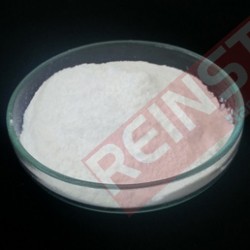
- Crucial for lithium-ion battery separators, enhancing safety and cycle life, as seen in products like "High Quality Nano Alumina Particles For Lithium Battery."
- Used in supercapacitors for improved energy storage capabilities.
Catalysis and Adsorption
The high surface area and tunable pore structures of nano alumina make it an excellent material for catalytic applications:
- Support for various catalysts in chemical reactions, including petroleum refining and environmental catalysis.
- Adsorbent for pollutants in water and air purification systems, effectively removing heavy metals and organic compounds.
- Used in exhaust gas treatment to reduce harmful emissions.
India's Nano Alumina Landscape: Opportunities and Future Trends
India's scientific community and industrial sector are increasingly recognizing the strategic importance of nanomaterials, with nano alumina market trends showing significant growth potential. Government initiatives and funding for nanotechnology research are creating a fertile ground for innovation. Indian researchers are actively exploring novel synthesis methods for nano alumina production process, focusing on cost-effectiveness and scalability to meet domestic and international demand.
Key opportunities lie in developing indigenous solutions for nano alumina applications tailored to India's specific needs, such as affordable water purification systems using nano alumina adsorbents, durable and lightweight automotive components, and advanced textile finishes for the country's vast apparel industry. The demand for nano alumina suppliers within India is also rising, indicating a robust ecosystem for local manufacturing and distribution.
Future trends point towards the integration of AI and machine learning in optimizing nano alumina synthesis and predicting its performance in various matrices. Furthermore, research into the environmental impact and nano alumina safety protocols is paramount to ensure sustainable development. Collaborations between academia, industry, and government bodies will be crucial in unlocking the full spectrum of nano alumina's potential, positioning India as a leader in advanced materials science.
Frequently Asked Questions About Nano Alumina
Nano alumina refers to aluminum oxide nanoparticles (Al2O3) with dimensions typically ranging from 1 to 100 nanometers. Due to their extremely small size, these particles exhibit unique physical and chemical properties, including high surface area, exceptional hardness, and thermal stability, making them highly valuable in advanced material science and engineering.
The benefits of nano alumina are extensive and include enhanced mechanical strength, improved wear and corrosion resistance in coatings, advanced functionalities in textiles (like self-cleaning and UV protection), superior catalytic activity, and excellent thermal management properties. These attributes make it crucial for developing high-performance materials across various sectors.
In textiles, nano alumina is used to impart novel functionalities such as self-cleaning capabilities, enhanced UV protection, flame retardancy, and anti-bacterial properties. It can be incorporated into fibers during manufacturing or applied as a coating to existing fabrics, creating smart textiles with improved durability and performance.
While nano alumina offers significant advantages, safety considerations are important. Researchers and industrial workers should follow proper handling guidelines, including using personal protective equipment (PPE) to prevent inhalation or skin exposure. Comprehensive risk assessments and adherence to regulatory standards are crucial to ensure safe use and disposal.
Reinste is a leading supplier of high-quality nano alumina and other nanomaterials in India, catering to research and industrial needs. We offer a range of nano alumina products with various specifications to suit diverse applications. You can explore our product catalog and contact our team for detailed information and procurement.
Explore Related Nano Alumina Products

Ready to Advance Your Research with Nano Alumina?
Partner with Reinste for high-quality nano alumina solutions and expert support.
Contact Us Now