Nano Alumina: Unlocking Potential in Indian Research & Industry
Discover the remarkable properties and diverse applications of nano alumina, a cornerstone for innovation across various sectors, particularly for researchers and professionals in India.
Explore ProductsIntroduction to Nano Alumina: A Game-Changer for Indian Innovation and Research
In the rapidly evolving landscape of materials science and engineering, nano alumina (Al₂O₃) stands out as a material of immense promise and transformative potential. With its unique properties at the nanoscale, including exceptional hardness, high thermal stability, excellent electrical insulation, and remarkable chemical inertness, nano alumina is becoming an indispensable component in a myriad of advanced applications. For Indian researchers and professionals, understanding and harnessing the capabilities of nano alumina is crucial for driving innovation, developing cutting-edge technologies, and achieving self-reliance in critical industrial sectors. This comprehensive guide delves into the fascinating world of nano alumina, exploring its fundamental properties, diverse applications, and the burgeoning opportunities it presents for India's scientific and industrial future. The shift from bulk materials to nanomaterials has opened unprecedented avenues for tailoring material characteristics, and nano alumina is at the forefront of this revolution.
The journey into nanomaterials began with the realization that materials exhibit dramatically different behaviors when their dimensions shrink to the nanometer scale (1-100 nm). Nano alumina, as a prime example, showcases enhanced surface area, altered electronic structure, and novel optical and catalytic properties compared to its bulk counterpart. These characteristics make it a versatile material for addressing complex challenges in fields ranging from biomedicine and energy to electronics and aerospace. In India, with its robust scientific talent pool and a strong push towards indigenous research and development, nano alumina offers a fertile ground for groundbreaking discoveries and commercial applications. From enhancing the efficiency of drug delivery systems to developing next-generation catalysts and reinforcing advanced ceramics, the scope for nano alumina uses is vast and continually expanding. Researchers are particularly interested in how nano alumina properties can be fine-tuned through various synthesis methods to achieve specific functionalities, making it a highly adaptable material for diverse needs.
The strategic importance of nano alumina extends beyond its technical merits; it holds significant economic implications for India. By fostering research and development in nano alumina production and application, India can reduce its reliance on imported advanced materials, boost its manufacturing capabilities, and create new high-tech jobs. The potential for nano alumina in medicine, for instance, could lead to more effective and affordable healthcare solutions, while its role in energy storage could support India's transition to sustainable energy. This article aims to provide a humanized and informative perspective, tailored specifically for the Indian context. We will navigate through the intricate details of nano alumina properties, shedding light on how these attributes translate into real-world applications. We will also touch upon the critical aspects of nano alumina safety, ensuring that researchers and industry practitioners are well-equipped with the knowledge to handle and utilize this advanced material responsibly. Join us as we explore how nano alumina is not just a material of the future, but a vital enabler of present-day innovation, poised to significantly impact India's technological advancement and economic growth.
Key Benefits of Nano Alumina for Researchers and Professionals
- Enhanced Mechanical Strength: Nano alumina significantly improves the hardness, wear resistance, and toughness of composites and coatings, making it ideal for high-performance materials in aerospace and automotive industries.
- Superior Thermal Stability: Its high melting point and excellent thermal insulation properties make nano alumina crucial for high-temperature applications, including refractory materials and thermal barrier coatings.
- Excellent Electrical Insulation: Nano alumina's dielectric properties are vital for advanced electronics, sensors, and insulating layers in microelectronic devices, contributing to miniaturization and efficiency.
- High Surface Area and Reactivity: The increased surface area of nano alumina particles enhances catalytic activity, adsorption capabilities, and serves as an effective support material for catalysts in chemical processes.
- Biocompatibility: Certain forms of nano alumina exhibit good biocompatibility, opening avenues for its use in biomedical applications such as drug delivery systems, bone scaffolds, and dental implants.
- Optical Transparency: Transparent nano alumina ceramics are being developed for applications requiring high optical clarity coupled with extreme durability, like transparent armor and optical lenses.
- Corrosion Resistance: Nano alumina coatings provide superior protection against corrosion and oxidation, extending the lifespan of materials in harsh environments.
- Versatility in Synthesis: Various synthesis methods allow for tailoring nano alumina properties, including particle size, morphology, and surface chemistry, to meet specific application requirements.
Diverse Nano Alumina Applications Across Industries
Biomedical and Pharmaceutical Innovations
Nano alumina in medicine is revolutionizing drug delivery systems, offering platforms for targeted drug formulation development that can improve therapeutic efficacy and reduce side effects. Its biocompatibility makes it suitable for various implantable devices, including bone scaffolds and dental prosthetics, promoting better integration with biological tissues. Furthermore, nano alumina's role as an adjuvant in vaccines is being explored to enhance immune responses, contributing to more effective disease prevention strategies. The precision offered by nanoscale materials is transforming the landscape of medical diagnostics and treatment.
Advanced Electronics and Catalysis
In the realm of electronics, nano alumina's excellent electrical insulation properties are indispensable for high-performance insulators, dielectric layers in capacitors, and advanced packaging materials, enabling the miniaturization and increased efficiency of electronic components. As a catalyst support, its high surface area and thermal stability make it ideal for various chemical reactions, including petroleum refining, automotive exhaust treatment, and the synthesis of fine chemicals, significantly improving reaction rates and selectivity. These nano alumina applications are crucial for driving technological advancements.
High-Performance Coatings and Composites
Nano alumina serves as a superior reinforcing agent, significantly boosting the mechanical properties – such as hardness, wear resistance, and toughness – of polymers, metals, and ceramics. Its incorporation into protective coatings enhances corrosion protection, thermal stability, and scratch resistance in demanding industrial environments, extending the lifespan of critical components. These advanced composites find nano alumina uses in aerospace, automotive, and defense sectors, where material performance under extreme conditions is paramount.
Sustainable Energy and Environmental Solutions
Nano alumina contributes significantly to next-generation energy solutions. It plays a vital role in advanced battery technologies, particularly in enhancing the safety and performance of lithium-ion batteries by acting as a separator coating or an electrode material. In environmental remediation, its high adsorption capabilities make it effective for removing pollutants from water and air, offering sustainable solutions for a cleaner environment. The development of efficient solar cells and fuel cells also benefits from optimized nano alumina properties.
Advanced Ceramics and Abrasives
Leveraging its exceptional hardness and wear resistance, nano alumina is a key material in the production of advanced ceramics for cutting tools, industrial abrasives, and structural components that require extreme durability and precision. These ceramics are essential in manufacturing processes where high temperatures and mechanical stresses are common. The fine grain structure achieved with nano alumina particles leads to superior mechanical performance compared to traditional alumina materials, expanding the range of nano alumina uses in high-tech manufacturing.
Optics and Photonics Breakthroughs
Emerging applications for nano alumina include transparent ceramics for optical windows, laser components, and advanced sensors. When processed correctly, nano alumina can achieve high optical clarity coupled with extreme durability, making it suitable for applications like transparent armor and high-performance optical lenses. Its unique optical properties at the nanoscale allow for novel designs in photonics, opening new frontiers in communication technologies and scientific instrumentation.
Nano Alumina Trends and Emerging Opportunities in India
India's scientific community and industrial sector are increasingly recognizing the strategic importance of advanced materials like nano alumina. The emphasis on "Make in India" and "Atmanirbhar Bharat" initiatives provides a significant impetus for indigenous nano alumina production and research, aiming to reduce reliance on imports and boost domestic manufacturing capabilities. Several key nano alumina trends are shaping its adoption and development within the country. There is a growing demand for high-purity nano alumina suppliers to cater to specialized applications in electronics, biomedical fields, and advanced ceramics. Indian research institutions are actively engaged in exploring novel nano alumina synthesis methods, aiming for cost-effective, scalable, and environmentally friendly production techniques that align with sustainable development goals.
The nano alumina market in India is poised for substantial growth, driven by increasing applications in diverse sectors. Specifically, the use of nano alumina for drug formulation development is a burgeoning area, with researchers exploring its potential to enhance drug solubility, bioavailability, and targeted delivery, addressing critical challenges in pharmaceutical sciences. Furthermore, the automotive sector is keen on leveraging nano alumina properties to develop lighter, stronger, and more fuel-efficient components, contributing to the reduction of carbon emissions and improved vehicle performance. The electronics industry also presents significant opportunities, with nano alumina's role in advanced packaging, thermal management, and dielectric layers becoming more critical for the next generation of smart devices and computing infrastructure. Understanding the myriad nano alumina uses and optimizing its integration into existing manufacturing processes will be key to unlocking its full potential and ensuring its widespread adoption.
Collaborations between academia and industry are fostering innovation in nano alumina applications, creating a vibrant ecosystem for research, development, and commercialization. Government funding and initiatives supporting nanotechnology research are further accelerating progress, providing essential resources for cutting-edge projects. As India strives to become a global hub for advanced manufacturing and research, the strategic development and deployment of materials like nano alumina will be paramount. Researchers are also focusing heavily on understanding nano alumina safety protocols to ensure responsible innovation and application, particularly in sensitive areas like medicine and environmental science, where human and ecological well-being are at stake. The future of nano alumina in India looks exceptionally promising, with continuous research and development expected to uncover even more groundbreaking uses and solidify its position as a cornerstone of advanced materials.
Frequently Asked Questions about Nano Alumina
The primary nano alumina properties include exceptional hardness, high thermal stability, excellent electrical insulation, and remarkable chemical inertness. Its nanoscale size also provides a very high surface area, which enhances its reactivity and catalytic capabilities, making it highly versatile for various applications.
Nano alumina in medicine is explored for targeted drug delivery systems, where its high surface area can load therapeutic agents, and its biocompatibility allows for safe interaction with biological systems. It's also used in bone scaffolds, dental implants, and as an adjuvant in vaccines, enhancing their efficacy and stability.
Working with nano alumina safety requires adherence to proper handling protocols. Due to its nanoscale size, inhalation of airborne particles is a concern. Researchers should use appropriate personal protective equipment (PPE), work in well-ventilated areas or fume hoods, and follow established guidelines for nanomaterial handling to minimize exposure risks.
Identifying reliable nano alumina suppliers is crucial for research and industrial applications. It's recommended to look for suppliers with certifications, transparent product specifications, and a strong track record. Online platforms, industry trade shows, and direct inquiries to manufacturers specializing in nanomaterials are good starting points for sourcing high-quality nano alumina.
Related Nano Alumina Products
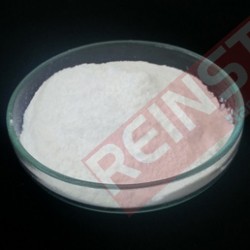
Nano Aluminum Oxide Granules Powder
View Product
Nano Alumina Translucent Liquid
View Product
High Quality Nano Alumina Particles For Lithium Battery
View ProductReady to Integrate Nano Alumina into Your Research or Product?
Connect with our experts to explore custom solutions and high-quality nano alumina products tailored to your specific needs.
Get in Touch