Nano Alumina: Revolutionizing Filtration and Water Treatment in India
Discover how advanced nano alumina solutions are transforming water purification, industrial processes, and environmental sustainability for Indian researchers and professionals.
Explore Nano Alumina SolutionsThe Dawn of a New Era: Nano Alumina in Indian Filtration and Water Treatment
In a nation as diverse and rapidly developing as India, access to clean water and efficient industrial filtration systems is not just a convenience, but a critical pillar for public health, economic growth, and environmental sustainability. The challenges are immense, ranging from industrial pollution and agricultural runoff to the ever-present demand for potable water in both urban and rural areas. Traditional filtration methods, while effective to a degree, often fall short when confronting emerging contaminants, microscopic pathogens, and the need for high-efficiency, cost-effective solutions. This is where the groundbreaking potential of Nano Alumina for Filtration steps onto the stage, promising a paradigm shift in how India approaches these vital issues.
India's unique environmental and industrial landscape presents specific hurdles. Many regions grapple with high levels of arsenic, fluoride, and other heavy metals in groundwater, posing severe health risks. Industrial sectors, from textiles to pharmaceuticals, generate complex wastewater streams laden with dyes, chemicals, and organic pollutants that demand advanced treatment. The sheer scale of population and industrial activity necessitates solutions that are not only effective but also scalable, sustainable, and economically viable for widespread adoption. This context underscores the urgent need for innovative materials and technologies.
Nano Alumina, or nanometer-sized aluminum oxide particles, possesses extraordinary properties that make it an ideal candidate for advanced separation and purification processes. Its high surface area, unique pore structure, and chemical stability enable it to interact with and remove a wide array of pollutants with unprecedented efficiency. For Indian researchers and professionals, understanding the profound impact of Nano Alumina in Water Treatment and industrial filtration is crucial. This advanced material is not merely an incremental improvement; it represents a revolutionary leap forward, offering solutions that are more effective, sustainable, and economically viable for the country's unique challenges.
From enhancing the performance of existing filtration membranes to developing novel purification systems, the applications of Nano Alumina Powder are vast and growing. This blog delves into the science behind nano alumina, its multifaceted Nano Alumina Applications, and its specific relevance to the Indian context, providing valuable insights for those at the forefront of innovation. We will explore how this material is poised to address some of India's most pressing environmental and industrial concerns, driving forward a new era of clean technology.
Unlocking Potential: Benefits of Nano Alumina for Indian Researchers
For researchers and scientists in India, nano alumina offers a powerful toolkit to address complex filtration and purification challenges. Its unique properties translate into several significant advantages:
- Enhanced Filtration Efficiency: The extremely high surface area and tunable pore size of Nano Alumina Particles allow for superior adsorption and removal of even the smallest contaminants, including viruses, bacteria, heavy metal ions, and organic pollutants, far surpassing the capabilities of conventional materials.
- Removal of Diverse Pollutants: Unlike many specialized filters, nano alumina exhibits broad-spectrum pollutant removal capabilities, making it highly versatile for treating various types of water and industrial effluents. This includes arsenic, fluoride, lead, and other prevalent contaminants in Indian water sources.
- Long-term Cost-Effectiveness: While the initial investment in advanced nanomaterials might seem higher, the extended lifespan, reusability, and reduced need for frequent replacements of Nano Alumina for Filtration Membranes lead to significant long-term cost savings. Its efficiency also means less energy consumption for purification.
- Durability and Reusability: Nano alumina-based filters often demonstrate exceptional mechanical strength and chemical stability, allowing for repeated use and regeneration, which is crucial for sustainable and economical operations in resource-conscious environments.
- Versatility in Application: Researchers can integrate nano alumina into various forms – as a coating on existing membranes, as a standalone filter media, or within composite materials – opening up avenues for diverse research and development projects across different sectors.
- Reduced Environmental Footprint: By improving filtration efficiency and enabling the recovery of valuable resources from wastewater, Nano Alumina in Water Treatment contributes to a smaller environmental impact, aligning with India's growing focus on green technologies and sustainable development goals.
Transforming Industries: Key Nano Alumina Applications in India
Drinking Water Purification
Addressing the critical need for safe drinking water, Nano Alumina for Filtration is being deployed in point-of-use filters and large-scale municipal water treatment plants. Its ability to effectively remove heavy metals, bacteria, viruses, and organic contaminants makes it invaluable for providing clean water to communities, especially in regions affected by waterborne diseases.
Industrial Wastewater Treatment
Indian industries, from textiles to pharmaceuticals, generate significant volumes of wastewater. Nano Alumina in Water Treatment offers advanced solutions for removing dyes, chemical residues, oil, and suspended solids, enabling industries to meet stringent environmental regulations and promote water recycling. This is a crucial area for "Usage of Nano Alumina" in sustainable manufacturing.
Air Filtration and Pollution Control
Beyond water, Nano Alumina Applications extend to air purification. Its high adsorption capacity makes it effective in removing particulate matter, volatile organic compounds (VOCs), and harmful gases from industrial emissions and indoor air, contributing to better air quality in polluted urban centers and industrial zones.
Biomedical and Pharmaceutical Separation
In the biomedical sector, Nano Alumina Powder is utilized for precise separation and purification of biomolecules, drug delivery systems, and in diagnostic tools. Its biocompatibility and tailored surface chemistry make it suitable for advanced medical applications, fostering innovation in Indian healthcare research.
Catalysis and Adsorption
The catalytic properties and high surface area of Nano Alumina make it an excellent support material for catalysts in various chemical reactions, including those in petrochemical and fine chemical industries. It also serves as an effective adsorbent for various chemical species, proving its versatility.
India's Nano Alumina Horizon: Opportunities and Emerging Trends
The landscape for Nano Alumina in India is ripe with opportunities, driven by increasing environmental awareness, stringent regulations, and a burgeoning research and development ecosystem. The demand for advanced materials like Nano Alumina Powder is on an upward trajectory, reflecting a national commitment to sustainable development and technological self-reliance. This section explores the key trends and opportunities that are shaping the future of nano alumina in the Indian market.
One significant trend is the growing investment in indigenous research and manufacturing capabilities. Indian institutions and private companies are actively exploring novel synthesis methods for Nano Alumina, aiming to reduce import dependency and offer cost-effective solutions tailored to local conditions. This focus positions India as a potential hub for Nano Alumina Suppliers and innovators. Collaborative research between academia and industry is also accelerating the development of new Nano Alumina Applications, from advanced ceramics to high-performance coatings.
Furthermore, the integration of nano alumina with other advanced materials, such as graphene and carbon nanotubes, is creating hybrid filtration membranes with even greater efficiency and selectivity. These composite materials are set to redefine the performance benchmarks for Nano Alumina for Filtration Membranes, particularly in challenging industrial environments where robust and high-performance solutions are critical. The development of these next-generation materials is a testament to the dynamic nature of the Nano Alumina Industry Trends.
The market for Nano Alumina in Water Treatment is expected to witness substantial growth, propelled by government initiatives like the "Jal Jeevan Mission" and "Swachh Bharat Abhiyan," which emphasize clean water and sanitation for all. These missions create a robust demand for efficient and scalable purification technologies, where nano alumina can play a pivotal role in providing safe and accessible drinking water. Researchers and businesses looking to Buy Nano Alumina will find a dynamic and expanding market, supported by both public and private sector investments.
Beyond water, the demand for Nano Alumina in air filtration and environmental remediation is also on the rise, especially in urban areas facing severe air pollution. Its ability to adsorb fine particulate matter and harmful gases makes it a key component in advanced air purifiers and industrial emission control systems. This broadens the "Usage of Nano Alumina" across multiple environmental protection fronts.
As the Nano Alumina Price becomes more competitive with scaling production, there will be an increased emphasis on developing smart filtration systems that incorporate sensors and AI for real-time monitoring and optimized performance. India's strong IT sector can significantly contribute to this convergence, making nano alumina-based solutions even more intelligent, responsive, and efficient, paving the way for a technologically advanced and sustainable future.
Frequently Asked Questions about Nano Alumina
Nano Alumina refers to aluminum oxide particles engineered to a nanometer scale (typically 1-100 nm). Its importance in filtration stems from its exceptionally high surface area, unique pore structure, and strong adsorption capabilities, allowing it to efficiently capture and remove a wide range of contaminants, including heavy metals, bacteria, viruses, and organic pollutants, far more effectively than traditional filter media.
Nano Alumina in Water Treatment is crucial for India due to its ability to tackle prevalent contaminants like arsenic and fluoride, which are significant issues in many regions. It enhances the efficiency of existing water purification systems, enables the development of compact and affordable point-of-use filters, and supports industrial wastewater treatment by removing complex pollutants, thereby contributing to public health and environmental protection.
The Nano Alumina Applications in industry are diverse. Key areas include advanced industrial wastewater treatment for sectors like textiles and chemicals, air filtration systems to combat urban and industrial air pollution, catalytic support in chemical processes, and even in biomedical separations and drug delivery. Its versatility makes Nano Alumina Powder a valuable material across various high-tech industries.
Reputable suppliers like Reinste and Hiyka are key players in providing high-quality Nano Alumina products to the Indian market. It's recommended to look for suppliers with strong technical support, quality certifications, and a range of products to meet specific research or industrial needs. Online platforms and industry trade shows are also excellent avenues to connect with Nano Alumina Suppliers.
Explore Our Nano Alumina Products
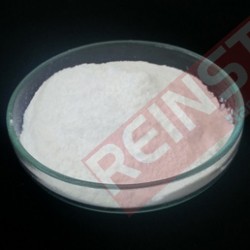
Nano Aluminum Oxide Granules Powder
High-purity nano aluminum oxide in granular powder form, ideal for advanced filtration and catalytic applications.
View Product
Nano Alumina Translucent Liquid
A stable translucent liquid dispersion of nano alumina, perfect for coatings, binders, and specialized solutions.
View Product
High Quality Nano Alumina Particles For Lithium Battery
Specialized nano alumina particles designed to enhance the performance and safety of lithium-ion batteries.
View ProductReady to Innovate with Nano Alumina?
Connect with Reinste for cutting-edge Nano Alumina solutions tailored for your research and industrial needs. Let's build a cleaner, more efficient future together.
Get in Touch Today