Nano Alumina: Revolutionizing Corrosion Protection for Indian Industries and Research
Explore how advanced alumina nanoparticles are transforming material durability and opening new frontiers for innovation in India's R&D and industrial sectors.
Discover Advanced Nano Alumina SolutionsIntroduction to Nano Alumina's Role in Corrosion Protection
In the dynamic landscape of materials science, the quest for superior protection against degradation is ceaseless. Corrosion, an insidious enemy of metals, costs industries billions annually and compromises the integrity of critical infrastructure. Enter nano alumina – a groundbreaking material poised to revolutionize how we approach corrosion protection. For Indian researchers and professionals, understanding the multifaceted capabilities of alumina nanoparticles is not just academic, but a strategic imperative. This article delves into the unique properties of nano alumina, its transformative impact on various sectors, and the immense opportunities it presents for India's burgeoning industrial and research ecosystem.
The unique properties of nano aluminum oxide, such as its high surface area, exceptional hardness, and chemical inertness, make it an ideal candidate for developing advanced protective coatings. These coatings offer superior barrier properties, preventing corrosive agents from reaching the substrate and significantly extending the lifespan of materials. As India continues its rapid industrialization and focuses on indigenous innovation, the role of advanced materials like nano alumina becomes increasingly vital for sustainable development and economic growth.
Key Benefits of Nano Alumina for Researchers and Industry
- Enhanced Barrier Properties: Nano alumina forms dense, impermeable layers that effectively block corrosive agents from reaching the substrate.
- Superior Hardness & Wear Resistance: Coatings exhibit exceptional hardness, improving the longevity and durability of protected surfaces.
- Thermal Stability: High melting point and chemical inertness make nano alumina coatings suitable for high-temperature and harsh chemical environments.
- Lightweight Solutions: Offers robust protection without significantly adding to the weight of components, crucial for aerospace and automotive applications.
- Versatile Application Methods: Can be applied through various techniques, including sol-gel, atomic layer deposition, and spray coating, allowing for tailored solutions.
- Environmental Friendliness: Often provides a more sustainable alternative to traditional, more hazardous corrosion inhibitors.
- Biocompatibility: Certain forms of nano alumina show promise in biomedical applications, offering corrosion protection for implants.
- Cost-Effectiveness: While initial investment might be higher, the extended lifespan and reduced maintenance costs lead to long-term savings.
Transformative Industrial Applications of Nano Alumina Coatings
Aerospace & Defense
Protecting aircraft components, satellites, and defense equipment from extreme environmental conditions and wear. Nano alumina coatings reduce friction and enhance the lifespan of critical parts.
Automotive Industry
Extending the life of engine parts, exhaust systems, and chassis components by providing superior resistance to rust, chemicals, and abrasion. This leads to safer and more durable vehicles.
Marine & Offshore
Safeguarding ships, oil rigs, and underwater structures from the aggressive corrosive effects of saltwater and harsh marine environments. Prevents biofouling and material degradation.
Construction & Infrastructure
Enhancing the durability of bridges, pipelines, and building materials against environmental corrosion, reducing maintenance costs and ensuring structural integrity.
Electronics & Semiconductors
Providing protective layers for microelectronics, sensors, and circuit boards, shielding them from moisture, chemicals, and thermal stress, thereby improving device reliability.
Biomedical Devices
Coating surgical instruments and implants to improve biocompatibility, reduce wear, and prevent corrosion within the human body, leading to better patient outcomes.
Nano Alumina: Opportunities and Trends in the Indian Landscape
India's rapid industrialization and growing focus on indigenous research and development present a fertile ground for the adoption and innovation in nano alumina technologies. The 'Make in India' initiative, coupled with significant investments in advanced manufacturing and materials science, is propelling demand for high-performance materials like nano alumina. Key trends include the development of smart nano alumina coatings with self-healing properties, hybrid nanocomposites for multi-functional protection, and scalable, cost-effective synthesis methods.
Indian research institutions are increasingly exploring the use of alumina nanoparticles in diverse fields, from energy storage (e.g., lithium-ion batteries) to advanced catalysts and water purification. The potential for collaboration between academia and industry to develop tailored nano alumina solutions for India's unique industrial challenges, such as extreme climates and specific material requirements, is immense. This convergence of research, policy support, and industrial need positions India at the forefront of nano aluminum oxide innovation for corrosion protection and beyond.
The market for alumina powder and alumina ceramics is also seeing significant growth, driven by advancements in material science. Researchers are actively investigating the chemical properties of alumina to unlock new applications, including its role as a catalyst in various chemical processes. Furthermore, the burgeoning interest in nano alumina in biomedical applications and applications of alumina in electronics underscores the versatility and critical importance of this material for India's technological future.
Frequently Asked Questions about Nano Alumina
Q: What is nano alumina and how does it differ from traditional alumina?
A: Nano alumina refers to aluminum oxide (Al₂O₃) particles with dimensions in the nanometer range (typically 1-100 nm). Its nanoscale size leads to unique properties like increased surface area, enhanced hardness, and superior chemical reactivity compared to bulk alumina, making it highly effective in advanced applications like corrosion protection.
Q: How do nano alumina coatings protect against corrosion?
A: Nano alumina coatings provide corrosion protection primarily by forming a dense, impermeable barrier layer that physically separates the metal substrate from corrosive agents (oxygen, moisture, chemicals). Additionally, their high hardness and chemical inertness contribute to their protective capabilities, resisting wear and chemical attack.
Q: What are the primary applications of nano alumina in Indian industries?
A: In Indian industries, nano alumina finds applications in aerospace for lightweight, durable components; automotive for enhanced engine and chassis protection; marine for saltwater corrosion resistance; electronics for protective layers; and in the construction sector for durable infrastructure.
Q: Is nano alumina safe for biomedical applications?
A: Yes, certain forms of nano alumina, particularly high-purity and biocompatible variants, are being explored and used in biomedical applications. They offer excellent wear resistance and corrosion protection for surgical instruments, dental implants, and prosthetics, with ongoing research ensuring long-term safety and efficacy.
Q: What are the future trends for nano alumina in materials science?
A: Future trends include the development of multi-functional nano alumina composites, self-healing coatings, smart sensors incorporating nano alumina, and its expanded use in energy storage, catalysis, and advanced ceramics. Research is also focusing on sustainable and scalable production methods.
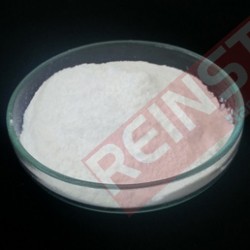
Explore Our Related Nano Alumina Products
Ready to Advance Your Research or Industry with Nano Alumina?
Connect with our experts to find tailored nano alumina solutions that meet your specific requirements for corrosion protection and beyond.
Contact Us for Custom Solutions