
Nano Alumina: Properties, Applications, and Research Innovations in India
Explore the groundbreaking properties, diverse applications, and emerging research trends of nano alumina, shaping the future of various industries across India.
Explore Nano AluminaIntroduction to Nano Alumina's Impact in India
India's scientific and industrial landscape is witnessing a transformative shift with the advent of nanomaterials, and among them, Nano Alumina stands out as a material of immense potential. Its unique properties, derived from its nanoscale structure, are paving the way for revolutionary advancements across a spectrum of sectors. For Indian researchers and professionals, understanding and harnessing nano alumina is not just an academic pursuit but a strategic imperative for indigenous innovation and global competitiveness.
This versatile material, a form of aluminum oxide at the nanoscale, exhibits enhanced mechanical strength, superior thermal stability, exceptional catalytic activity, and high surface area. These characteristics make it indispensable in developing next-generation technologies, from advanced electronics to life-saving biomedical devices. As India pushes for self-reliance and technological leadership, the research and application of nano alumina are becoming cornerstones of its R&D and industrial growth, promising to redefine material science and engineering within the nation.
Key Benefits of Nano Alumina for Indian Researchers
- Enhanced Material Properties: Nano Alumina significantly improves the strength, hardness, and thermal stability of composite materials, crucial for high-performance applications in aerospace and automotive industries.
- Superior Catalytic Activity: Its high surface area makes it an excellent catalyst and catalyst support, accelerating chemical reactions and improving efficiency in various industrial processes.
- Advanced Filtration and Purification: Nano alumina-based membranes offer exceptional capabilities for water purification, air filtration, and industrial effluent treatment, addressing critical environmental challenges in India.
- Revolutionary Biomedical Applications: From targeted drug delivery systems to biocompatible coatings for implants, nano alumina is opening new avenues in healthcare and medical technology.
- Miniaturization in Electronics: Its excellent dielectric properties and thermal conductivity are vital for developing smaller, more efficient, and robust electronic components, a key area for India's growing tech sector.
- Corrosion and Wear Resistance: Coatings embedded with nano alumina provide superior protection against wear and corrosion, extending the lifespan of machinery and infrastructure.
Diverse Industry Applications of Nano Alumina
Electronics and Semiconductors
Nano alumina is critical for thermal management in microprocessors, as a dielectric layer in capacitors, and in advanced ceramic substrates due to its excellent insulating and thermal properties. It enables the development of high-performance, compact electronic devices.
Automotive and Aerospace
Used in lightweight composites for improved fuel efficiency, wear-resistant coatings for engine components, and high-strength structural materials. Its ability to withstand extreme conditions is invaluable in these demanding sectors.
Healthcare and Biomedical
Finds applications in biocompatible coatings for implants, drug delivery systems, dental materials, and diagnostic tools. Its inertness and non-toxicity make it suitable for direct contact with biological systems.
Energy Storage and Conversion
Plays a vital role in enhancing the safety and performance of lithium-ion batteries, as a catalyst support in fuel cells, and in improving the efficiency of solar cells. It's a key material for India's renewable energy goals.
Coatings and Surface Engineering
Incorporated into paints, varnishes, and industrial coatings to impart scratch resistance, corrosion protection, and UV stability, extending the life and performance of various surfaces.
Catalysis and Chemical Processing
As a high-surface-area support, nano alumina is extensively used in catalytic converters, petrochemical processes, and fine chemical synthesis, boosting reaction rates and selectivity.
India-Specific Opportunities and Market Trends in Nano Alumina
The Indian market for Nano Alumina Applications is on an upward trajectory, fueled by robust government support through initiatives like "Make in India" and "Atmanirbhar Bharat," which encourage indigenous manufacturing and technological self-reliance. This creates significant Nano Alumina Market Trends focused on local production and innovation.
There's a burgeoning demand for high-performance materials in sectors like electric vehicles, advanced defense technologies, and sustainable infrastructure projects. This demand is driving increased investment in nanotechnology research and development within academic institutions and private industries. Collaborations between universities and companies are fostering an ecosystem for rapid advancements in Nano Alumina Research.
Furthermore, the growth of specialized companies and Nano Alumina Suppliers like Reinste and Hiyka is making it easier for researchers and industries to Buy Nano Alumina of various grades and specifications. The availability of Nano Alumina Training Courses Online is also expanding, addressing the need for skilled professionals in this cutting-edge field.
The focus is not just on importing but on developing novel synthesis methods, exploring new Nano Alumina Uses, and establishing robust Nano Alumina Distribution networks across the country. These trends indicate a vibrant future for Nano Alumina Innovations, positioning India as a key player in the global nanomaterials landscape.
Frequently Asked Questions about Nano Alumina
Nano alumina refers to aluminum oxide nanoparticles, typically ranging from 1 to 100 nanometers in size. Due to their extremely small dimensions, they exhibit unique physical and chemical properties compared to their bulk counterparts, making them highly valuable in various advanced applications.
In India, nano alumina is increasingly used in electronics (thermal management, dielectrics), automotive (lightweight composites, wear-resistant coatings), healthcare (drug delivery, biomedical implants), energy (battery components, catalysts), and advanced coatings for enhanced durability and performance.
Nano alumina contributes to sustainable development by enabling more efficient energy storage and conversion, developing lighter and more durable materials that reduce resource consumption, and facilitating advanced filtration systems for environmental remediation. Its use can lead to reduced waste and improved product lifespans.
Indian researchers can source high-quality nano alumina from specialized material suppliers and distributors like Reinste and Hiyka, who offer a range of nano materials for research and industrial applications. It's crucial to look for suppliers providing detailed material specifications and certifications.
The future prospects for nano alumina in India are significant, driven by increasing R&D investments, government initiatives promoting indigenous manufacturing, and growing demand from sectors like electric vehicles, advanced electronics, and biomedical engineering. The market is expected to expand with new innovations and applications.
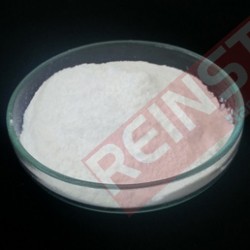
Related Nano Alumina Products
Ready to Innovate with Nano Alumina?
Connect with Reinste for advanced nano materials, expert consultation, and research support tailored for your projects.
Contact Reinste Today