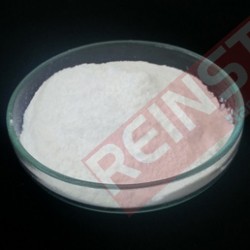
The nano alumina market trends in India are characterized by robust growth, driven by increasing industrialization, government support for R&D, and a burgeoning demand for high-performance materials. Understanding these trends is crucial for stakeholders, from researchers to investors.
One of the most significant trends is the escalating demand from sectors like automotive and aerospace. As India's automotive industry focuses on lightweighting and electric vehicles, the need for advanced materials that offer superior strength-to-weight ratios and thermal management capabilities, such as nano alumina, is paramount. Similarly, the aerospace and defense sectors are continuously seeking materials that can withstand extreme conditions, making nano alumina an material of choice.
The nano alumina price in India is influenced by global supply chain dynamics, raw material costs, and the level of domestic nano alumina production. While global prices can fluctuate, the emergence of more local nano alumina manufacturers is helping to stabilize and potentially reduce costs, offering a more favorable nano alumina cost analysis India. This domestic production also reduces reliance on imports, aligning with the 'Make in India' initiative.
Government initiatives play a pivotal role in shaping the market. Programs promoting nanotechnology research, funding for advanced materials development, and incentives for manufacturing are accelerating the adoption of nano alumina. These policies encourage both academic research into new nano alumina properties and industrial scaling of nano alumina production.
Furthermore, the growing emphasis on sustainable and green technologies is opening new avenues for nano alumina. Its role in efficient catalysis and energy storage solutions positions it as a key enabler for environmental sustainability goals. Researchers are also exploring novel, eco-friendly nano alumina production methods to reduce the environmental footprint.
Identifying reliable nano alumina suppliers and nano alumina manufacturers is a critical challenge and opportunity. As the market expands, the ecosystem of suppliers is also growing, offering a wider range of specifications and purities. Establishing strong partnerships with reputable suppliers ensures consistent quality and timely delivery, which are vital for research and industrial applications.
In summary, the Indian nano alumina market is poised for substantial growth, driven by technological advancements, industrial demand, and supportive government policies. Stakeholders who strategically navigate these nano alumina market trends will be well-positioned to capitalize on the emerging opportunities.