Nano Alumina: Paving the Way for Sustainable Nanomaterials and Future Applications in India
Explore the transformative potential of nano alumina in revolutionizing various industries, from construction to electronics, with a focus on its impact on Indian research and development.
Explore ApplicationsThe Dawn of a New Era: Nano Alumina in Indian R&D
In the rapidly evolving landscape of materials science, nano alumina, or alumina nanoparticles, stands out as a groundbreaking innovation. This advanced material, characterized by its remarkably small particle size and high surface area, is poised to redefine industrial standards and research paradigms globally, with a significant impact on India's burgeoning scientific and industrial sectors. For Indian researchers and professionals, understanding the multifaceted properties and applications of nano alumina is not just an academic exercise but a strategic imperative to foster sustainable development and technological self-reliance.
Nano alumina, primarily composed of aluminum oxide, exhibits superior mechanical, thermal, electrical, and chemical properties compared to its bulk counterpart. Its nanoscale dimensions unlock phenomena that are absent at macroscopic levels, leading to enhanced strength, hardness, thermal conductivity, and catalytic activity. These unique attributes make it an invaluable component in developing high-performance materials for diverse applications, from advanced ceramics and composites to cutting-edge electronics and energy storage solutions. As India continues its journey towards becoming a global manufacturing and research hub, the integration of such advanced nanomaterials becomes crucial for driving innovation and competitiveness.
This blog post delves into the core aspects of nano alumina, exploring its fundamental properties, diverse applications, and the significant opportunities it presents for Indian industries and research institutions. We aim to provide a comprehensive, humanized, and informative overview that caters specifically to the needs and interests of the Indian scientific community, highlighting how nano alumina for sustainable materials can pave the way for a more resilient and technologically advanced future.
Unlocking Potential: Key Benefits of Alumina Nanoparticles
The unique characteristics of nano alumina offer a plethora of advantages for researchers and industries:
-
Enhanced Mechanical Strength
Significantly increases the hardness, toughness, and wear resistance of composites and coatings, crucial for high-stress applications in aerospace and automotive sectors.
-
Superior Thermal Stability
Maintains structural integrity and performance at elevated temperatures, making it ideal for refractory materials and high-temperature electronic components, vital for India's industrial infrastructure.
-
Exceptional Corrosion Resistance
Provides robust protection against chemical degradation, extending the lifespan of materials in harsh environments, a significant advantage for coastal regions and chemical industries.
-
High Catalytic Activity
Offers a large surface area for chemical reactions, enhancing the efficiency of catalysts in petrochemical, pharmaceutical, and environmental applications, supporting India's green chemistry initiatives.
-
Lightweighting Solutions
Enables the development of lighter yet stronger materials, particularly valuable for automotive and aerospace industries, contributing to fuel efficiency and reduced emissions.
-
Dielectric Properties for Electronics
Excellent electrical insulation properties make it crucial for advanced electronics, semiconductors, and energy storage devices, aligning with India's "Digital India" vision.
Transforming Industries: Nano Alumina Applications
Nano alumina's versatility allows for its integration across a wide spectrum of industries, driving innovation and efficiency.

Sustainable Construction
Nano alumina significantly enhances the strength, durability, and fire resistance of concrete and composites. It facilitates the creation of lightweight yet robust building materials, reducing the environmental footprint of construction projects in India and extending infrastructure lifespan.

Advanced Electronics & Batteries
Critical for high-performance dielectric layers, thermal management in microchips, and as a coating material for lithium-ion battery separators. This improves battery safety, longevity, and efficiency, aligning with India's push for electric vehicles and renewable energy storage.

Lightweight Automotive Components
Used in wear-resistant coatings for engine parts, brake systems, and lightweight structural composites. This contributes to improved fuel efficiency, reduced emissions, and enhanced vehicle performance, supporting the Indian automotive industry's transition to greener technologies.

Efficient Catalysis & Filtration
As a high-surface-area support material, nano alumina enhances the efficiency of catalysts in various chemical processes, including petroleum refining and pollution control. It also finds use in advanced filtration systems for water purification, addressing critical environmental challenges.

Advanced Protective Coatings
Nano alumina coating solutions provide superior scratch, corrosion, and wear resistance for surfaces ranging from industrial machinery to consumer goods. This extends product lifespan and reduces maintenance costs, benefiting various manufacturing sectors.

Emerging Biomedical Applications
While still in research phases, nano alumina shows promise in drug delivery systems, dental composites, and biocompatible implants due to its inertness and mechanical properties, opening new avenues for medical advancements in India.
India's Nanotechnology Horizon: Opportunities and Nano Alumina Market Trends
India is rapidly emerging as a significant player in the global nanotechnology landscape, driven by increasing government funding, robust academic research, and a growing industrial demand for advanced materials. The focus on "Make in India" and "Atmanirbhar Bharat" initiatives further amplifies the need for indigenous development and application of materials like nano alumina. Research institutions such as IITs, IISc, and various CSIR laboratories are actively engaged in cutting-edge research on alumina nanoparticles, exploring novel synthesis methods, functionalization techniques, and diverse applications.
The nano alumina market trends in India are particularly promising, with projected growth in sectors like construction, automotive, electronics, and energy. The demand for sustainable nanomaterials is on the rise, pushing for greener synthesis routes and lifecycle assessments. Furthermore, advancements in nano alumina coating technologies are creating new opportunities in surface engineering for enhanced durability and performance across various products. Indian suppliers and manufacturers are increasingly investing in scaling up production and refining the quality of nano alumina to meet both domestic and international standards.
Future research in nano alumina in India is likely to concentrate on developing multi-functional composites, exploring its role in quantum dots and spintronics, and integrating it with other nanomaterials for synergistic effects. The emphasis will also be on cost-effective production methods and ensuring environmental safety and ethical considerations in nanotechnology development. This vibrant ecosystem presents immense opportunities for collaboration between academia and industry, fostering innovation and translating laboratory breakthroughs into tangible industrial solutions.
Frequently Asked Questions about Nano Alumina
Explore Related Nano Alumina Products
Discover high-quality nano alumina products for your research and industrial needs.
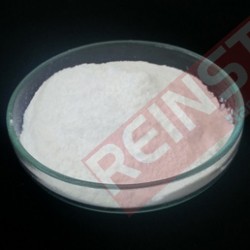
Nano Aluminum Oxide Granules Powder
View Product
Nano Alumina Translucent Liquid
View Product
High Quality Nano Alumina Particles For Lithium Battery
View ProductReady to Integrate Nano Alumina into Your Innovations?
Connect with our experts to discuss your specific requirements and explore custom nano alumina solutions tailored for your projects.
Get a Custom QuoteContact Our Team
Have questions or need specialized nano alumina products? Fill out the form below, and we'll get back to you promptly.