Unveiling the Next Generation of Textiles in India
Imagine a world where a spilled cup of coffee on your favorite shirt is no longer a crisis, where medical gowns actively repel contaminants, and where industrial workwear offers unprecedented protection. This isn't science fiction; it's the reality being woven by Stain-Resistant Nano Alloys. For India, a global textile powerhouse, this technological leap represents a monumental opportunity. As researchers in premier institutions and professionals in the bustling textile industry seek the next competitive edge, understanding the applications and advantages of nano alloys in fabric technology is not just beneficial—it's essential.
At its core, nanotechnology involves manipulating matter on an atomic and molecular scale. When applied to textiles, this means creating fabrics with enhanced properties that are impossible to achieve with conventional methods. Nano alloys for textiles are engineered particles that, when applied to fabrics, create an invisible, highly functional surface. This article delves into the transformative potential of these nano-sized alloys, exploring their benefits for Indian R&D, their diverse applications across industries, and the burgeoning market trends that are shaping the future of smart fabrics in the subcontinent.
Core Benefits for Indian Researchers and Innovators
For the scientific community in India, working with Nano Alloys Applications opens up a new frontier of material science. The unique properties of these materials offer significant advantages for research and development:
- Enhanced Durability and Longevity: Nano alloy coatings create a protective layer that shields fabric fibers from abrasion, UV degradation, and chemical exposure. This extends the lifespan of textiles, a crucial factor for applications in industrial and military sectors.
- Superior Water and Oil Repellency: The primary allure of these alloys is their ability to create superhydrophobic and oleophobic surfaces. This "lotus effect" not only provides exceptional stain resistance but is also vital for developing all-weather apparel and protective gear.
- Antimicrobial Properties: Certain nano alloys, particularly those containing silver or copper, exhibit powerful antimicrobial properties. This is a game-changer for medical textiles, sportswear, and hygiene products, helping to reduce infection rates and control odors.
- Creation of Multifunctional Fabrics: The true innovation lies in creating textiles that do more than one thing. Researchers can combine stain resistance with other properties like UV protection, flame retardancy, and even electrical conductivity, paving the way for truly "smart" textiles.
- Sustainability and Reduced Environmental Impact: By making fabrics last longer and require less frequent washing, nano alloys contribute to sustainability. Reduced water and detergent consumption aligns perfectly with India's environmental goals and offers a strong selling point in a conscious market.
Transforming Industries: Key Applications of Nano Alloys
The practical applications of nano alloys in fabric technology are vast and are already beginning to reshape key sectors of the Indian economy. Here’s a look at some of the most promising areas:
Medical & Healthcare
In hospitals and clinics, hygiene is paramount. Nano alloy-treated textiles are used for surgical gowns, bed linens, and curtains that repel bodily fluids and prevent the growth of bacteria, significantly reducing the risk of hospital-acquired infections (HAIs).
Apparel & Fashion
From business suits that shrug off coffee spills to school uniforms that resist dirt and grime, stain-resistant nano alloys are revolutionizing everyday clothing. This technology enhances convenience and maintains the aesthetic appeal of garments for longer.
Automotive & Transport
The interiors of cars, buses, and trains are high-traffic areas. Nano-coated upholstery resists stains from food and drink, is easier to clean, and maintains a newer look for longer, improving passenger experience and reducing maintenance costs.
Military & Defense
Soldiers require uniforms that are durable, comfortable, and functional in extreme conditions. Nano alloys provide camouflage uniforms with water repellency, antimicrobial properties, and even thermal regulation, enhancing soldier survivability and comfort.
Sportswear & Outdoor Gear
Athletes and outdoor enthusiasts benefit from apparel that is lightweight, breathable, and weather-resistant. Nano-treated fabrics offer excellent water resistance without compromising breathability, keeping the wearer dry and comfortable.
Home Textiles
The application of nano alloys for textiles extends to home furnishings like carpets, sofas, and tablecloths. This makes homes more family-friendly and easier to maintain, a strong value proposition for the modern Indian household.
Market Trends and Opportunities in India
The Nano Alloys Market Trends in India are pointing towards explosive growth. Driven by government initiatives like "Make in India" and a rising demand for high-performance materials, the smart textiles sector is poised for significant expansion. Indian textile manufacturers are increasingly investing in R&D to integrate nanotechnology into their production lines. This shift is creating a fertile ground for collaboration between academic institutions and industries.
A key trend is the focus on green nanotechnology. Researchers are exploring the use of biocompatible and eco-friendly nano-materials, such as silica and titanium dioxide, to address environmental concerns associated with early-generation nanoparticles. This focus on sustainability is crucial for gaining acceptance in both domestic and international markets. The demand for Innovations in Nano Alloys is pushing for materials that are not only effective but also safe and environmentally responsible. For Indian professionals, this translates into a growing demand for skills in material science, chemical engineering, and textile technology. The ability to develop, test, and scale up the production of nano-enhanced fabrics will be a highly sought-after expertise in the coming years.
Related Products
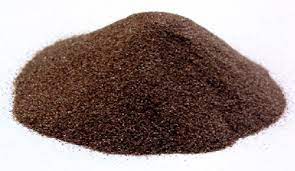
Copper/ Tin – Alloy Nanopowder
View Product →
Copper/ Tin – Alloy Nanopowder
View Product →
Copper/ Tin – Alloy Nanopowder
View Product →
Copper/ Tin – Alloy Nanopowder
View Product →Frequently Asked Questions
Stain-resistant nano alloys are microscopic particles, typically ranging from 1-100 nanometers, engineered to create a protective barrier on fabric surfaces. This barrier, often called a 'lotus effect,' repels liquids like water, oil, and other common stain-causing substances, preventing them from being absorbed into the textile fibers.
Nano alloys are applied as a finish to textiles, where they self-assemble into a structure of 'nano-whiskers.' These whiskers create a cushion of air on the fabric's surface, significantly increasing its hydrophobicity. When a liquid comes into contact, it beads up and rolls off rather than soaking in, taking dirt and potential stains with it.
The safety of nano alloys is a key area of research in India and globally. Reputable manufacturers use encapsulated nano-particles that are bonded to the fabric, minimizing direct skin contact and particle shedding. Indian researchers are actively working on developing eco-friendly, biocompatible nano alloys from materials like silica and titanium dioxide to ensure consumer safety and environmental sustainability.
Nano alloy coatings are highly versatile and can be applied to a wide range of natural and synthetic fabrics, including cotton, silk, wool, polyester, and nylon. The application process can be adapted to suit the specific properties of each textile, making it a flexible solution for various industries, from fashion to medical textiles.
Initially, the cost of textiles treated with nano alloys may be higher than conventional fabrics due to the advanced technology and materials involved. However, as production scales up and technology matures within the Indian market, these costs are expected to decrease. Furthermore, the extended lifespan, reduced washing frequency, and enhanced durability of these fabrics offer long-term value, potentially offsetting the initial investment.
Ready to Innovate with Nano Alloys?
Explore our range of high-purity nano alloy powders and materials to kickstart your research and development in advanced fabric technology.
Browse Our Catalog