An Introduction to Nanoalloys and Powder Metallurgy
In the ever-evolving landscape of materials science, the fusion of nanotechnology and metallurgy has given rise to a groundbreaking class of materials: nanoalloys. These are not simply miniaturized versions of traditional alloys; they are sophisticated materials engineered at the atomic level, consisting of two or more metals in a single nanoparticle. This unique composition unlocks novel properties that are often impossible to achieve in bulk materials. The key to harnessing their potential lies in the manufacturing process, and this is where **powder metallurgy for nano alloys** emerges as a transformative technique.
For Indian researchers and professionals in sectors like aerospace, defense, automotive, and healthcare, understanding the **properties of nanoalloys in powder metallurgy** is crucial. This advanced manufacturing method involves consolidating nano-sized alloy powders into solid components without melting them. This low-temperature process is vital for preserving the delicate and highly reactive nanoscale structures that give nanoalloys their exceptional strength, catalytic activity, and magnetic properties. As India pushes forward with initiatives like 'Make in India' and 'Aatmanirbhar Bharat,' mastering **nano alloy manufacturing via powder metallurgy** is not just an academic pursuit—it's a strategic imperative for technological sovereignty and global competitiveness. This article delves into the techniques, benefits, applications, and future trends of this exciting field, providing a comprehensive resource for the Indian R&D community.
Why Researchers Should Focus on Nanoalloys in Powder Metallurgy
-
Unprecedented Material Properties
Achieve superior mechanical strength, enhanced catalytic efficiency, and unique magnetic and optical characteristics not possible with conventional alloys. This opens doors for groundbreaking research and publications.
-
Design Freedom and Complexity
Powder metallurgy allows for the creation of complex, near-net-shape components, reducing the need for post-processing and enabling intricate designs for specialized applications like biomedical implants and micro-electromechanical systems (MEMS).
-
Sustainable & Efficient Manufacturing
This technique boasts high material utilization (often >95%), significantly reducing waste compared to subtractive manufacturing. The lower processing temperatures also contribute to energy savings, aligning with global sustainability goals.
-
Tailorable Microstructures
Researchers can precisely control grain size, porosity, and phase distribution. This level of control is fundamental to tuning material properties for specific, high-performance **applications of nanoalloys produced by powder metallurgy**.
Key Industry Applications in the Indian Context
Aerospace and Defense
The quest for lightweight, high-strength, and temperature-resistant materials is paramount. Nanoalloys (e.g., Al-Si, Ti-Al) produced via powder metallurgy are used for manufacturing turbine blades, missile components, and drone frames that offer superior performance-to-weight ratios, directly supporting India's strategic defense and space exploration ambitions.
Automotive Sector
In the push for fuel efficiency and electric vehicles (EVs), nanoalloys play a vital role. They are used in high-strength engine components, durable gears, and advanced sensors. For EVs, magnetic nanoalloys are critical for creating more powerful and compact electric motors, a key area for the Indian automotive market's future.
Biomedical and Healthcare
Biocompatible nanoalloys like Ti-based alloys are revolutionizing medical implants (e.g., hip joints, dental implants). Their enhanced wear resistance and ability to be formed into porous structures that promote bone integration are significant advantages. Furthermore, magnetic nanoalloys are being researched for targeted drug delivery and hyperthermia cancer treatment.
Energy and Catalysis
The high surface area of nanoalloys makes them exceptional catalysts. Pt-Ru nanoalloys, for instance, are crucial for fuel cells. In the energy sector, they are used to improve efficiency in chemical processing and are being explored for hydrogen storage solutions, aligning with India's National Hydrogen Mission.
Opportunities and Future Trends for Nanoalloys in India
The **nano alloys market** in India is poised for significant growth, driven by strong governmental support for domestic manufacturing and R&D. The current trends indicate a shift from theoretical research to practical, industrial-scale **nano alloys production**. One of the most promising **nano alloys in powder metallurgy techniques** is Spark Plasma Sintering (SPS), which allows for rapid consolidation of powders, preserving the nanostructure and resulting in materials with superior density and strength. Indian research institutions are increasingly investing in such advanced sintering technologies.
A key advantage that underscores the growing interest is the clear superiority of **nano alloys vs traditional alloys**. While traditional alloys have reached their performance plateau, nanoalloys offer a quantum leap in properties. This is particularly relevant for strategic sectors. For instance, the **uses of nano alloys** in developing next-generation armour materials and high-efficiency solar cells are being actively explored by DRDO and ISRO. The **advantages of nano alloys manufacturing** through powder metallurgy, such as reduced material waste and energy consumption, also make it an economically and environmentally attractive proposition for Indian industries aiming to compete on a global scale.
Frequently Asked Questions
Powder metallurgy (PM) for nanoalloys is an advanced manufacturing technique that involves consolidating nano-sized alloy powders into solid, high-performance components. This process allows for precise control over the material's microstructure and properties, often at lower temperatures than traditional melting methods, which is crucial for preserving the unique nanoscale characteristics.
The primary advantages include enhanced mechanical properties (higher strength and hardness), superior magnetic and catalytic performance, improved thermal stability, and the ability to create complex, near-net-shape components with minimal material waste. These benefits make them ideal for high-tech applications in aerospace, medicine, and electronics.
In India, the aerospace and defense sectors can benefit from lightweight, high-strength components. The automotive industry can use them for more efficient engine parts and sensors. Additionally, the healthcare sector can leverage nanoalloys for advanced biomedical implants and diagnostic tools, aligning with the 'Make in India' initiative for high-tech manufacturing.
While the initial cost of nanopowders can be high, the powder metallurgy process itself is highly cost-effective for mass production. It minimizes material waste (up to 97% material utilization) and often reduces the need for secondary machining, leading to lower overall manufacturing costs for complex parts compared to traditional subtractive methods.
Related Products
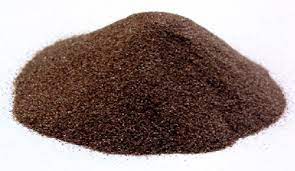
Copper/ Tin – Alloy Nanopowder
View Product →Ready to Advance Your Research?
Explore our wide range of high-purity nanoalloy powders and connect with our experts to find the perfect material for your application. Let's innovate together.
Browse Our Catalog