
A Clearer Future: Nanotechnology in Coatings for Indian Innovation
Imagine driving through a monsoon downpour or a dense winter fog in Delhi with perfectly clear vision. Imagine a surgeon performing a life-saving procedure without their endoscopic lens fogging up. This isn't science fiction; it's the reality being built by **Nanotechnology in Coatings**. At the heart of this revolution lies **Anti-Fog Nano Technology**, a field that is rapidly transforming safety, efficiency, and performance across numerous sectors. For Indian researchers and professionals, understanding the nuances of **Nano Materials for Coating** and **Nano Alloy Manufacturing** is no longer just an academic pursuit—it's a gateway to pioneering next-generation products.
The fundamental problem of fogging—condensation of microscopic water droplets on a surface—has long been a persistent challenge. Traditional solutions often involve temporary sprays or films that wear off quickly. However, the advent of **Nano Coatings** offers a permanent, more robust solution. By engineering materials at the atomic level, scientists can create surfaces that either repel water (hydrophobic) or cause it to spread into a uniform, invisible sheet (hydrophilic). It is the latter that forms the basis of superior anti-fog solutions. This article delves into the core of this technology, with a special focus on the role of advanced **Nano Alloys** in creating durable and highly effective anti-fog surfaces, and explores the immense opportunities this presents for India's burgeoning R&D landscape.
Why Researchers Should Focus on Anti-Fog Nano Technology
For scientists and R&D professionals in India, delving into **Sustainable Nano Alloys** and composites for coatings is not just innovative—it's strategic. Here are the key benefits:
- High-Impact Applications: Research in this area directly translates to high-value industries like aerospace, automotive, and healthcare, increasing the potential for commercialization and patents.
- Addresses National Challenges: Developing superior anti-fog solutions can enhance road safety during India's challenging weather conditions and improve the reliability of critical medical and defense equipment.
- Frontier of Material Science: Working with **Nano Composites** and alloys places researchers at the forefront of material science, opening up opportunities for international collaboration and government funding under initiatives like 'Make in India'.
- Development of Sustainable Solutions: There is a growing demand for eco-friendly manufacturing processes. Research into **Sustainable Nano Alloys** can lead to greener coating technologies with reduced environmental impact.
Nano Product Applications Across Indian Industries
Automotive Sector
From windshields and mirrors to headlights and sensor covers, **nano alloys for anti fog coating technology** ensure driver safety and the proper functioning of Advanced Driver Assistance Systems (ADAS) in humid and foggy conditions prevalent in India.
Aerospace and Defense
**Nano Alloys in Aerospace** are critical for cockpit displays, helmet visors, and optical sensors on aircraft and drones. These coatings must perform flawlessly under extreme temperature and pressure changes, making nano alloy durability essential.
Medical Devices
In surgical environments, fogging on endoscopes, laparoscopes, and surgical goggles can cause critical delays. **Anti-Fog Nano Technology** provides a reliable solution, ensuring uninterrupted visibility for medical professionals.
Consumer Electronics
Camera lenses, smartphone screens, and wearable tech benefit immensely from anti-fog **Nano Coatings**. This enhances user experience, especially for outdoor photography and activities in humid climates.
Industrial Safety
For workers in industrial settings, from manufacturing plants to construction sites, fogged-up safety glasses are a major hazard. Advanced nano solutions provide long-lasting clarity, significantly improving workplace safety.
Smart Textiles & Sportswear
The application of **Nano Composites** in textiles can create breathable yet water-resistant fabrics. For sportswear, this technology is used on goggles and visors to prevent fogging during intense physical activity.
Opportunities and Trends: The Indian Nanotechnology Landscape
The Indian government's focus on advanced manufacturing and R&D through initiatives like the National Mission on Nano Science and Technology (Nano Mission) has created a fertile ground for innovation in **Nano Alloy Manufacturing**. The market for **Nano Coatings** in India is projected to grow significantly, driven by demand from the automotive, construction, and healthcare sectors. A key trend is the shift towards **Sustainable Nano Alloys** and green manufacturing processes. Researchers are increasingly exploring non-toxic materials and energy-efficient synthesis methods to develop eco-friendly **Nano Materials for Coating**.
Furthermore, the integration of **Advanced Nano Solutions** with IoT (Internet of Things) devices is an emerging frontier. Imagine smart windshields that can self-clean or de-fog based on sensor data. The development of such **Nano Composites** with embedded functionalities is a massive opportunity for Indian startups and research institutions. As the domestic electronics manufacturing ecosystem expands, the demand for specialized **Nano Product Applications**, particularly anti-fog and anti-reflective coatings for displays, will skyrocket. This synergy between government policy, industrial demand, and academic research positions India to become a global hub for **Nanotechnology in Coatings**.
Frequently Asked Questions
Nano coatings are ultra-thin layers, often just a few nanometers thick, applied to surfaces to enhance their properties. These coatings, built using nanotechnology, can make surfaces water-repellent (hydrophobic), scratch-resistant, anti-reflective, or, in this context, anti-fog.
Anti-fog nano technology works by creating a superhydrophilic (water-attracting) surface. Instead of forming tiny water droplets that scatter light (which we see as fog), the moisture spreads out into an ultra-thin, transparent film. This maintains clear visibility on surfaces like glasses, lenses, and windshields.
Nano alloys, which are combinations of metals at the nanoscale, offer superior durability, stability, and performance compared to single-material nano coatings. They can be engineered for specific properties like enhanced conductivity, strength, and resistance to environmental degradation, making the anti-fog effect last longer and perform better under harsh conditions.
In India, key applications include automotive windshields and mirrors to improve safety during monsoon and winter, medical devices like endoscopes for clear surgical visuals, safety glasses for industrial workers, and consumer electronics like camera lenses and smartphone screens.
Related Nano Alloy Products
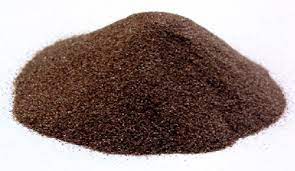
Copper/ Tin – Alloy Nanopowder
View Product →
Copper/ Tin – Alloy Nanopowder
View Product →
Copper/ Tin – Alloy Nanopowder
View Product →
Copper/ Tin – Alloy Nanopowder
View Product →Ready to Advance Your Research?
Explore our extensive range of high-purity nano alloys and materials to power your next innovation in coating technology.
Browse Our Catalog