
An Introduction to Nano Alloys: The Next Frontier in Materials Science
In the ever-evolving landscape of materials science, a new class of materials is capturing the attention of researchers and industries worldwide: nano alloys. These are not just smaller versions of traditional alloys; they are materials engineered at the atomic level, typically with dimensions ranging from 1 to 100 nanometers. This nanoscale manipulation unlocks a world of unique and significantly enhanced characteristics, setting them apart from their bulk counterparts. The fundamental principle behind their power lies in the quantum effects and the massive increase in surface-area-to-volume ratio, which dramatically alters their physical, chemical, and mechanical behaviors.
For India, a nation rapidly ascending as a global hub for research and development (R&D) and high-tech manufacturing, nano alloys technology represents a pivotal opportunity. From aerospace and defense to healthcare and renewable energy, the potential applications are vast and transformative. As Indian researchers and professionals delve deeper into this field, they are not just contributing to global scientific knowledge; they are building the foundation for indigenous, cutting-edge technologies that can solve some of the country's most pressing challenges. This exploration into nano alloys synthesis, properties, and applications is more than an academic exercise—it's a roadmap to a more innovative and self-reliant future.
Key Benefits of Nano Alloys for Researchers
- Enhanced Mechanical Properties: Nano alloys exhibit superior strength, hardness, and ductility. This allows for the creation of lighter, more durable materials for use in everything from satellite components to biomedical implants.
- Superior Catalytic Activity: The high surface area of nano alloys makes them incredibly efficient catalysts. This is a game-changer for chemical industries, enabling faster, more energy-efficient reactions and the development of greener technologies.
- Unique Magnetic and Optical Properties: At the nanoscale, materials like iron-platinum (FePt) nano alloys display unique magnetic behaviors essential for next-generation data storage. Others offer tunable optical properties for advanced sensors and imaging.
- Improved Thermal and Electrical Conductivity: Certain nano alloys, such as copper-based variants, offer enhanced conductivity, paving the way for more efficient electronic components, heat sinks, and energy systems.
- Biocompatibility and Biomedical Potential: Gold, silver, and titanium-based nano alloys are being extensively researched for their biocompatibility. Their applications in targeted drug delivery, medical imaging, and antimicrobial coatings are among the most exciting areas of nano alloys research.
Industry-Specific Nano Alloys Applications in India
Aerospace & Defense
The push for lighter and stronger materials is paramount. Nano alloys (e.g., Aluminum-based) are used to develop high-strength, low-weight composites for aircraft frames, engine components, and armor, directly supporting India's strategic defense and space exploration goals.
Healthcare & Medicine
From silver nano alloys used in antimicrobial coatings on medical devices to gold nanoparticles for targeted cancer therapy, the nano alloys industry is revolutionizing diagnostics and treatment, offering new hope for complex diseases in the Indian healthcare system.
Electronics & Semiconductors
As devices get smaller and more powerful, nano alloys are crucial. Copper and tin-based nano alloys are used in lead-free solders and interconnects, improving the reliability and performance of microchips, aligning with the 'Make in India' initiative for electronics manufacturing.
Energy & Environment
Nano alloys play a vital role in sustainable technology. They are used as catalysts in fuel cells, for hydrogen storage, and in developing more efficient solar panels. This directly contributes to India's goals for renewable energy and a cleaner environment.
Opportunities and Trends for Nano Alloys Development in India
The nano alloys market in India is poised for exponential growth. This surge is fueled by a combination of government support, a burgeoning private sector, and a strong academic research base. Initiatives like the National Mission on Nanoscience and Nanotechnology (Nano Mission) have been instrumental in creating a fertile ground for nano alloys research. Institutions like the IISc Bangalore, various IITs, and CSIR labs are at the forefront of this research, publishing high-impact papers and filing patents related to novel nano alloys synthesis techniques and applications.
A key trend is the focus on sustainable and cost-effective synthesis methods. Indian researchers are pioneering green synthesis routes, using plant extracts and biological systems to produce nano alloys, reducing the environmental footprint. Furthermore, there's a growing emphasis on creating materials for conference presentations and publications, showcasing India's scientific prowess on the global stage. The demand for nano alloys for conference presentation materials highlights the need for high-quality, reproducible nanomaterials that can validate cutting-edge research. This synergy between academia and industry is critical for translating laboratory breakthroughs into commercially viable products, ensuring the long-term growth of the nano alloys industry in India.
Frequently Asked Questions
Nano alloys are metallic alloys with at least one dimension in the nanometer scale (1-100 nm). This small size gives them unique and enhanced properties—such as higher strength, improved catalytic activity, and different magnetic or optical characteristics—compared to their bulk counterparts.
Nano alloys synthesis involves various methods, broadly categorized as top-down (milling larger materials) and bottom-up (assembling from atoms/molecules). Common techniques include chemical vapor deposition (CVD), sol-gel synthesis, inert gas condensation, and co-precipitation, each offering control over particle size and composition.
Their superiority stems from the high surface-area-to-volume ratio and quantum effects at the nanoscale. This leads to enhanced reactivity, lower melting points, increased hardness, and novel electronic properties not seen in bulk materials, making them ideal for advanced applications.
Yes, as with any nanomaterial, there are potential health and environmental concerns. The high reactivity of nanoparticles can lead to toxicity if inhaled or absorbed. Research is ongoing to establish safety protocols and understand the long-term impact, which is a critical aspect of nano alloys development.
The nano alloys market in India is on a significant growth trajectory, driven by government initiatives like 'Make in India' and increased R&D funding. Key sectors like healthcare, electronics, automotive, and defense are increasingly adopting nano alloys technology, fostering a robust ecosystem for nano alloys research and industry collaboration.
Related Products for Your Research
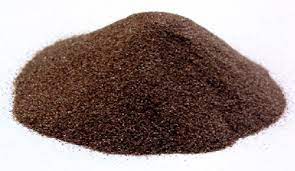
Copper/ Tin – Alloy Nanopowder
View Product →Ready to Advance Your Research?
Leverage the power of high-purity nano alloys in your next project. Contact our experts to discuss your specific requirements or browse our extensive catalog of advanced materials.
Contact Us