
Nano Alloys: Pioneering the Next Wave of Innovation in Indian R&D
Discover how these revolutionary nanomaterials are unlocking unprecedented advancements in strength, efficiency, and performance across India's key industries.
Explore NowAn Introduction to Nano Alloys
In the ever-evolving landscape of materials science, a new frontier is rapidly emerging, driven by the principles of nanotechnology. At the heart of this revolution are nano alloys, a class of materials engineered at the atomic level to exhibit properties far superior to their conventional counterparts. For India, a nation poised on the brink of a technological leap, understanding and harnessing the power of these advanced nanomaterials is not just an academic pursuit—it's a strategic imperative for driving innovation in research, development (R&D), and industrial manufacturing.
So, what exactly are nano alloys? Simply put, they are metallic alloys with a grain size in the nanometer range (typically 1-100 nm). This incredibly small scale fundamentally alters their physical, chemical, and mechanical behaviors. Imagine a material with the strength of steel but the weight of aluminum, or a catalyst that works with unprecedented efficiency. This is the promise of nano alloys. The science behind this lies in the vast increase in the surface-area-to-volume ratio and the quantum effects that dominate at this scale. More atoms reside on the surface or grain boundaries, leading to enhanced reactivity, strength, and unique electronic properties.
The relevance for Indian researchers and professionals cannot be overstated. From aerospace and defense to healthcare and electronics, the application of nano alloys is set to redefine industry standards. As the "Make in India" initiative gains momentum, the development of indigenous advanced materials like aluminum nano alloys and titanium nano alloys will be crucial for reducing import dependency and creating high-value products. This blog delves into the world of nano alloys, exploring their benefits for the scientific community, their diverse applications, and the burgeoning opportunities they present for India's future.
Why Researchers are Turning to Nano Alloys
Unprecedented Strength-to-Weight Ratio
Nano alloys exhibit exceptional mechanical properties. The fine grain structure prevents dislocation movement, resulting in materials that are significantly stronger and harder than conventional alloys. This is particularly vital for creating lightweight, high-performance components in aerospace and automotive industries.
Enhanced Catalytic Activity
The high surface area of nanoparticles in nano alloys makes them incredibly effective catalysts. They can accelerate chemical reactions more efficiently and selectively, a boon for the chemical, pharmaceutical, and energy sectors, leading to greener and more cost-effective processes.
Superior Thermal and Electrical Properties
By manipulating composition at the nanoscale, researchers can fine-tune the thermal stability and electrical conductivity of materials. This opens doors for next-generation electronics, high-efficiency batteries, and advanced thermal management systems.
Improved Corrosion and Wear Resistance
Nano coatings derived from nano alloys can form dense, defect-free protective layers on surfaces. This dramatically improves resistance to corrosion, oxidation, and physical wear, extending the lifespan of critical components in harsh environments, from marine applications to industrial machinery.
Industrial Applications of Nano Alloys in India
Aerospace & Defence
The push for lighter and stronger aircraft and military hardware makes titanium nano alloys and aluminum nano alloys critical. Their use in airframes, engine components, and armor systems can lead to enhanced fuel efficiency, higher payload capacity, and improved ballistic protection, aligning perfectly with India's strategic defense and space exploration goals.
Healthcare & Biomedicine
The unique properties of silver nano alloys are being harnessed for their antimicrobial capabilities in medical implants, surgical tools, and wound dressings to prevent infections. Furthermore, magnetic nano alloys are being explored for targeted drug delivery systems and as contrast agents in MRI scans, promising more effective and less invasive treatments.
Energy Sector
In the quest for sustainable energy, nano alloys are playing a pivotal role. They are used as catalysts in fuel cells to improve efficiency, in solar panels to enhance light absorption, and in developing high-capacity hydrogen storage materials. This directly supports India's National Hydrogen Mission and its renewable energy targets.
Electronics & Computing
The miniaturization of electronic devices demands materials with superior conductive and magnetic properties. Nano alloys are used in high-density data storage, sensors, and as interconnects in integrated circuits. Their development is crucial for India's growing semiconductor and electronics manufacturing ecosystem.
Automotive Industry
From lightweighting vehicles for better fuel economy to developing more durable engine components and effective catalytic converters, nano alloys offer immense potential. Nano coatings based on these alloys also provide superior paint finishes with enhanced scratch and UV resistance.
Environmental Remediation
Iron-based nano alloy particles are being used to clean contaminated groundwater. Their high reactivity allows them to neutralize harmful industrial pollutants like chlorinated solvents and heavy metals, offering a powerful tool for cleaning up legacy pollution sites across India.
The Indian Landscape: Trends and Opportunities
India's journey into nanotechnology is backed by strong government support through initiatives like the Nano Mission, which fosters R&D and infrastructure development. This has led to a surge in nano alloys in scientific journal publications from Indian institutions, indicating a vibrant and growing research community. The key trend is a shift from pure research to applied innovation, focusing on scalable nano alloy production methods that are both economically viable and environmentally sustainable.
A major opportunity lies in creating specialized nano alloys tailored for local needs. For instance, developing corrosion-resistant nano coatings for infrastructure in India's long coastline or creating efficient catalytic converters to combat urban air pollution. There is also a growing demand for advanced nanomaterials in the electronics manufacturing sector, spurred by the Production Linked Incentive (PLI) schemes. Indian startups and established companies that invest in nano alloy R&D are well-positioned to become global leaders in this high-tech field, contributing to a self-reliant and technologically advanced India.
Frequently Asked Questions
Nano alloys are materials composed of two or more metals at the nanoscale (typically 1-100 nanometers). Unlike their bulk counterparts, their unique size gives them exceptionally high surface-area-to-volume ratios and quantum effects, leading to superior properties like enhanced strength, catalytic activity, and conductivity.
Nano alloy production involves sophisticated techniques like inert gas condensation, chemical vapor deposition (CVD), sputtering, and sol-gel methods. These processes allow for precise control over particle size, composition, and structure, which are critical for achieving the desired properties for specific applications.
Safety is a key consideration. While nano alloys offer immense benefits, their nanoscale size requires careful handling and risk assessment. Indian regulatory bodies and research institutions are actively developing guidelines for the safe production, use, and disposal of nanomaterials to ensure environmental and occupational safety.
Nano alloys are materials where the entire structure is built at the nanoscale. Nano coatings, on the other hand, are ultra-thin layers of nanomaterials applied to the surface of a bulk material. While a nano coating can be made from nano alloys, its purpose is to enhance the surface properties (like corrosion resistance or hardness) of another object, whereas a nano alloy is a material in its own right.
Related Nano Alloy Products
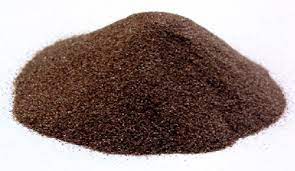
Copper/ Tin – Alloy Nanopowder
View Product →
Aluminum-Silicon (Al-Si) Alloy Nanoparticles
View Product →
Titanium-Aluminum (Ti-Al) Alloy Nanopowder
View Product →
Silver-Copper (Ag-Cu) Nano Alloy
View Product →Ready to Advance Your Research?
Connect with our experts to find the right nanomaterials for your project or explore our extensive catalog of high-purity nano alloys.
Get in Touch