
Powering India's Future: The Nanotechnology Edge in Wind Energy
India is on an ambitious journey towards a sustainable future, with wind energy being a cornerstone of its renewable energy strategy. As the nation strives to meet its climate goals and power its burgeoning economy, the efficiency and reliability of wind turbines have never been more critical. This is where material science, specifically the field of **nano alloys**, enters the picture, promising a quantum leap in performance. Traditional materials used in wind turbine blades face limitations in strength, weight, and durability, especially as turbines grow larger to capture more wind.
For Indian researchers and professionals in the materials science and renewable energy sectors, **sustainable nano alloys** represent a frontier of innovation. These are not just incremental improvements; they are game-changers. By integrating alloys engineered at the nanoscale, we can create turbine blades that are significantly lighter, stronger, and more resistant to environmental wear. This article delves into the remarkable **benefits of nano alloys**, their specific properties, and their transformative applications in wind turbine technology, highlighting the immense opportunities for R&D and industrial growth within India.
Core Benefits for Researchers and Industry
-
Superior Strength-to-Weight Ratio
The unique **nano alloy properties** allow for the creation of composite materials that are drastically lighter than steel yet possess comparable or even greater strength. This leads to longer, more efficient blades that can be manufactured and transported more economically.
-
Enhanced Fatigue and Corrosion Resistance
Wind turbine blades are constantly exposed to extreme mechanical stress and harsh weather. **Nano alloys in wind turbine blades** significantly improve resistance to material fatigue and environmental corrosion, extending the operational lifespan and reducing maintenance costs.
-
Improved Aerodynamic Efficiency
The advanced material properties enable the design of more slender and complex blade geometries. This optimization enhances aerodynamic performance, allowing turbines to capture more energy even at lower wind speeds, a crucial factor for India's diverse wind map.
Key Industrial Applications of Nano Alloys
Advanced Blade Composites
One of the primary **nano alloy applications** is in reinforcing the polymer matrix of blade composites. Dispersing nanoparticles of alloys like aluminum or titanium within the resin enhances stiffness and impact resistance, preventing micro-cracks from propagating.
Durable Protective Coatings
Nano alloy-based coatings provide a superior barrier against UV radiation, moisture, and saline environments (critical for offshore wind farms). This protects the blade's structural integrity and maintains its aerodynamic profile over time.
High-Performance Drivetrain Components
Beyond blades, **nano alloys** are used to manufacture stronger, more wear-resistant gears and bearings for the turbine's gearbox. This increases reliability and reduces the frequency of costly component failures and maintenance downtime.
Integrated Lightning Protection
Incorporating conductive nano alloys into the blade composite can create an effective, integrated lightning protection system. This dissipates electrical charge more efficiently than traditional systems, preventing catastrophic damage during storms.
Market Trends and Research Opportunities in India
The **nano alloys market trends** in India are poised for significant growth, driven by the government's "Make in India" initiative and a strong push for renewable energy. This creates a fertile ground for domestic **nano alloy manufacturing** and research. Indian institutions and private sector R&D labs have a unique opportunity to lead in the development of cost-effective and **sustainable nano alloys** tailored for local environmental conditions.
Current **advancements in nano alloys** research are focused on developing novel compositions and green manufacturing processes that minimize environmental impact. For Indian scientists, key research areas include exploring locally sourced raw materials for alloy production, optimizing dispersion techniques in composites, and developing computational models to predict long-term material performance. Collaboration between academia and industry is vital to translate laboratory breakthroughs into commercially viable products that can strengthen India's position in the global wind energy supply chain.
Related Nano Alloy Products
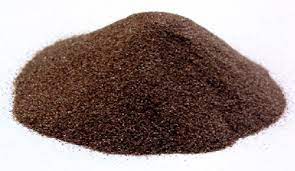
Copper/Tin – Alloy Nanopowder
View Product →
Copper/Tin – Alloy Nanopowder
View Product →
Copper/Tin – Alloy Nanopowder
View Product →
Copper/Tin – Alloy Nanopowder
View Product →Frequently Asked Questions
Nano alloys are metallic materials engineered at the nanoscale (typically 1-100 nanometers). At this size, they exhibit unique chemical and physical properties—such as increased hardness, reactivity, and conductivity—that are vastly different from their bulk counterparts. These enhanced **nano alloy properties** are key to their advanced applications.
As turbines get larger to maximize energy capture, blades become heavier and subject to immense stress. **Nano alloys in wind turbine blades** help create lighter, stronger composites. This reduces the overall weight, allowing for longer blades and less stress on the turbine structure, ultimately boosting efficiency and operational life.
**Sustainable nano alloys** contribute by enhancing the efficiency and lifespan of renewable energy hardware. More durable turbines mean less frequent replacement and waste. Furthermore, ongoing **nano alloy research** focuses on using abundant, non-toxic elements and developing energy-efficient manufacturing processes, reducing the technology's overall environmental footprint.
Challenges in **nano alloy manufacturing** include controlling particle size and distribution, preventing agglomeration (clumping), and scaling up production cost-effectively. Ensuring uniform dispersion within a composite matrix is also a critical technical hurdle that researchers are actively working to overcome.
Ready to Advance Your Research?
Leverage the power of advanced materials. Whether you're developing next-generation wind turbines or pioneering new material composites, Reinste has the high-purity nano alloys you need.
Inquire Now