
An Introduction to Nanotechnology in Alloys
In the relentless pursuit of efficiency and performance, the world of materials science has turned to the incredibly small. Nanotechnology, the manipulation of matter on an atomic and molecular scale, has unlocked a new frontier in alloy development. Enter **nano alloys**: materials engineered at the nanoscale to exhibit extraordinary properties far surpassing their conventional counterparts. These are not just incremental improvements; they represent a paradigm shift in how we design and build high-performance components.
For Indian researchers and professionals in the manufacturing sector, particularly in the burgeoning electric vehicle (EV) and industrial automation industries, understanding the **applications of nano alloys** is crucial. As India strives to become a global manufacturing hub under the 'Make in India' initiative, leveraging cutting-edge technologies like **nanotechnology in alloys** is key to gaining a competitive edge. This article delves into the transformative potential of **nano alloys in motor manufacturing**, exploring their properties, benefits, and the exciting opportunities they present for the Indian R&D landscape.
Key Benefits of Nano Alloys for Researchers and Industry
-
Enhanced Mechanical Strength & Durability
Nano alloys possess superior strength-to-weight ratios and wear resistance. This translates to smaller, lighter, yet more robust motors that can withstand higher operational stresses, significantly extending their service life.
-
Improved Thermal Stability
One of the critical **properties of nano alloys** is their ability to maintain structural integrity at high temperatures. This allows motors to run hotter and more efficiently without the risk of material degradation, reducing the need for complex cooling systems.
-
Superior Magnetic Performance
In electric motors, magnetic efficiency is paramount. Nano-crystalline soft magnetic alloys can drastically reduce core losses, which means more of the electrical energy is converted into mechanical motion, boosting overall energy efficiency.
-
Reduced Friction and Wear
Nano-composite coatings and lubricants incorporating nano alloys can create ultra-low-friction surfaces on bearings and gears. This minimizes mechanical losses, reduces operational noise, and decreases maintenance requirements.
Core Applications in Modern Motor Manufacturing
High-Performance Bearings
The **nano alloys used in motor manufacturing process** for bearings are a game-changer. By coating steel bearings with nano-ceramic or metal-matrix composites, manufacturers can create surfaces that are incredibly hard and smooth, reducing friction by over 50% in some cases. This is critical for high-speed motors used in EVs and precision machinery.
Efficient Magnetic Cores
The heart of an electric motor is its magnetic core. Nano-crystalline alloys, such as those based on iron, silicon, and boron, offer extremely low coercivity and high permeability. This leads to significantly lower energy loss (hysteresis loss) during magnetic cycles, directly improving the motor's efficiency rating.
Durable Structural Components
Lightweighting is a major goal in automotive and aerospace engineering. Aluminum or magnesium alloys reinforced with nanoparticles (like silicon carbide or alumina) provide the strength of steel at a fraction of the weight. This allows for lighter motor housings and structural parts without compromising on safety or performance.
Advanced Electrical Windings
Researchers are exploring copper nano alloys with enhanced conductivity and strength. Copper-graphene or copper-carbon nanotube composites can carry more current with less resistance and are more resilient to thermal stress, paving the way for more compact and powerful motor windings.
Opportunities and Market Trends for Nano Alloys in India
The Indian market for advanced materials is on an upward trajectory, driven by rapid industrialization and a focus on sustainable technology. The **nano alloys market trends** point towards significant growth, especially within the automotive, electronics, and renewable energy sectors. The government's push for electric mobility through policies like FAME-II (Faster Adoption and Manufacturing of Electric Vehicles) has created a massive demand for high-efficiency motors, a demand that **innovations in nano alloys** are perfectly positioned to meet.
Indian research institutions and universities are actively engaged in **nano alloys research**, exploring cost-effective production methods and novel compositions. This local R&D is vital for reducing reliance on imports and fostering a self-sufficient ecosystem. For Indian professionals, this translates into a wealth of opportunities in materials science, process engineering, and product design. The ability to work with and develop the **best nano alloys** will be a highly sought-after skill. The convergence of academic research and industrial application is creating a fertile ground for startups and established companies to innovate and capture a share of this high-growth market.
Frequently Asked Questions
What are nano alloys?
Nano alloys are advanced materials created by combining two or more metallic elements at the nanoscale (typically 1-100 nanometers). This unique combination results in novel properties, such as enhanced strength, superior conductivity, and improved catalytic activity, which are not found in their bulk counterparts.
How do nano alloys improve electric motor performance?
Nano alloys enhance motor performance by reducing energy loss, improving magnetic properties, and increasing durability. For example, soft magnetic nano-composite materials can significantly lower core losses in motors, while nano-engineered coatings reduce friction and wear on moving parts, leading to higher efficiency and a longer lifespan.
Are nano alloys commercially viable for motor manufacturing in India?
While the initial cost of producing nano alloys can be high, ongoing research and scaling of production are making them increasingly viable. The long-term benefits, such as significant energy savings and extended product life, often justify the investment. Initiatives like 'Make in India' are also boosting domestic R&D and manufacturing, which is expected to lower costs over time.
What are the main challenges in using nano alloys?
The primary challenges include high production costs, ensuring uniform dispersion of nanoparticles, and controlling the material's properties at an industrial scale. Additionally, there are ongoing discussions about the potential environmental and health impacts of nanomaterials, which require careful regulation and handling protocols.
Related Products
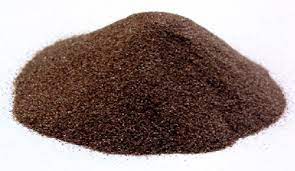
Ready to Innovate with Nano Alloys?
Connect with our experts to explore how our advanced nano alloy powders can revolutionize your manufacturing process.
Contact Us Today