The Dawn of a New Medical Era: Nano Alloys
The world of medicine is on the brink of a profound transformation, driven by the power of nanotechnology. At the forefront of this revolution are **advanced nano alloys**, materials engineered at the atomic level to exhibit extraordinary properties. For Indian researchers and the burgeoning domestic healthcare industry, these materials are not just a scientific curiosity; they represent a monumental leap forward. The application of **nano alloys in medicine**, particularly in the field of **nano alloys drug delivery**, is paving the way for treatments that are more targeted, efficient, and significantly less invasive.
Traditionally, drug delivery has been a systemic process—medication travels throughout the body, affecting both diseased and healthy cells. This often leads to severe side effects and requires higher dosages. **Nano alloys** offer a solution. Imagine a fleet of microscopic carriers, each loaded with a potent drug, navigating the bloodstream to deliver their payload directly to a cancerous tumor, leaving healthy tissue unharmed. This is not science fiction; it is the reality that **nanotechnology alloys** are bringing to life. By manipulating combinations of metals like gold, silver, iron, and platinum at the nanoscale, scientists can create smart materials designed for specific medical tasks. These **nano materials** are unlocking new possibilities in diagnostics, imaging, and therapeutics, making them one of the most exciting fields in modern science.
India, with its vast talent pool of scientists and engineers and a government push towards indigenous R&D, is perfectly poised to become a global leader in this domain. Understanding the fundamentals of **nano alloy applications** is crucial for anyone in the Indian scientific community looking to contribute to the future of healthcare. This article delves into the core benefits, diverse applications, and the promising future of **nano alloys for drug delivery systems design** within the Indian context.
Why Researchers are Turning to Nano Alloys
The unique physicochemical properties of nano alloys offer a multitude of advantages over conventional materials. For researchers in pharmacology and materials science, these benefits translate into powerful new tools to combat complex diseases.
-
Enhanced Targeting and Specificity
One of the most significant **nano alloy benefits** is the ability to functionalize their surfaces. Scientists can attach ligands (molecules that bind to specific receptors) that guide the nanoparticles directly to cancer cells, bacteria, or inflamed tissues, dramatically increasing treatment efficacy while minimizing collateral damage to healthy cells.
-
Controlled Drug Release
Advanced nano alloys can be designed to release their drug payload in response to specific triggers, such as changes in pH, temperature, or exposure to a magnetic field. This controlled release mechanism ensures the drug is active only where and when it's needed, improving therapeutic outcomes and reducing toxicity.
-
Overcoming Biological Barriers
Many promising drugs fail because they cannot cross biological barriers like the blood-brain barrier (BBB). The small size and modifiable surface of nano alloy carriers enable them to bypass these defenses, opening up new treatment avenues for neurological disorders like Alzheimer's and Parkinson's disease.
-
Theranostics: Combining Diagnosis and Therapy
Certain nano alloys, particularly those containing magnetic or plasmonic metals, can be used for both diagnosis and therapy simultaneously. They can act as contrast agents for MRI or CT scans to locate a tumor and then be activated (e.g., by a laser) to release a drug or generate heat (hyperthermia) to destroy the cancer cells. This integrated approach is known as theranostics.
Key Nano Alloy Applications in Medicine
Oncology and Cancer Therapy
This is arguably the most researched **nano alloy application**. Gold-silver and iron-platinum nano alloys are extensively studied for their use in targeted chemotherapy. By loading potent anti-cancer drugs onto these nanoparticles, researchers can achieve high drug concentrations at the tumor site, overcoming multi-drug resistance and reducing the debilitating side effects of conventional chemotherapy. The use of magnetic nano alloys for hyperthermia treatment is another promising avenue being explored in Indian labs.
Antimicrobial Agents
With the rise of antibiotic-resistant bacteria, new solutions are urgently needed. Silver-based nano alloys have demonstrated powerful antimicrobial properties. They can disrupt bacterial cell membranes and interfere with their metabolic processes. These **nano materials** are being incorporated into wound dressings, medical device coatings, and even sanitizers to prevent infections, a critical need in hospital settings across India.
Advanced Medical Imaging
The unique optical and magnetic properties of **nano alloys** make them excellent contrast agents for biomedical imaging. For example, iron-oxide-based nano alloys enhance the resolution of Magnetic Resonance Imaging (MRI), allowing for earlier and more accurate detection of diseases. Quantum dots, a type of semiconductor nanocrystal, are also being explored for highly sensitive cellular imaging, aiding in fundamental biological **nano alloys research**.
Gene Therapy and Delivery
Gene therapy holds the potential to cure genetic disorders by replacing or repairing faulty genes. A major challenge is safely delivering genetic material (like DNA or RNA) into cells. Cationic nano alloys are being developed as non-viral vectors that can bind to negatively charged genetic material and transport it across the cell membrane efficiently and with lower immunogenicity compared to viral vectors, a key focus for cutting-edge **nano alloys production**.
The Indian Landscape: Opportunities and Future Trends
India's journey into nanotechnology is gaining significant momentum. Government initiatives like the Nano Mission have been instrumental in funding **nano alloys research** and building state-of-the-art infrastructure. This has created a fertile ground for innovation in **nano alloys for drug delivery systems design**. The "Make in India" campaign further encourages the domestic **nano alloys production**, reducing reliance on imports and making advanced healthcare more affordable.
A key trend is the focus on developing cost-effective and scalable synthesis methods for **advanced nano alloys**. Researchers at institutions like the IITs and IISc are pioneering green synthesis routes, using plant extracts and microorganisms to produce biocompatible nanoparticles. This sustainable approach not only reduces environmental impact but also lowers production costs. The application of **nano alloys in medicine** is also being tailored to address India-specific health challenges, such as tuberculosis, malaria, and certain types of cancer that are prevalent in the subcontinent. The convergence of AI and nanotechnology is another exciting frontier, where machine learning models are used to predict the behavior of different **nanotechnology alloys** and accelerate the design of new drug delivery systems. This synergy is set to propel India to the forefront of medical innovation.
Frequently Asked Questions
Nano alloys are materials composed of two or more metals at the nanometer scale (typically 1-100 nm). Their unique size gives them novel properties, such as increased reactivity, enhanced catalytic activity, and different magnetic and optical properties compared to their bulk counterparts, making them ideal for advanced applications like drug delivery.
Nano alloys improve drug delivery by acting as carriers that can be precisely targeted to specific cells or tissues, like cancer cells. Their large surface-area-to-volume ratio allows for high drug loading, while their surfaces can be modified to control drug release, reduce toxicity, and evade the body's immune system, leading to more effective and safer treatments.
The safety of nano alloys is a critical area of research. Biocompatibility is key, and scientists focus on using metals like gold, silver, and iron, often with biocompatible coatings. Extensive research in India and globally is dedicated to studying their long-term effects, biodegradation, and clearance from the body to ensure they are safe for clinical applications.
The future is incredibly promising. With a strong focus on indigenous R&D and manufacturing under initiatives like 'Make in India,' nano alloy applications are set to grow. We expect breakthroughs in personalized medicine, advanced diagnostics (theranostics), and treatments for diseases like cancer, Alzheimer's, and multi-drug resistant infections, tailored to the Indian population.
Related Products for Your Research
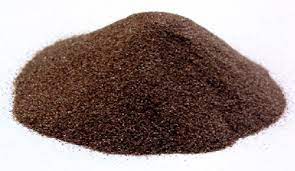
Copper/ Tin – Alloy Nanopowder
View Product →Ready to Advance Your Research?
Explore our wide range of high-purity nano alloys and other nanomaterials to power your next breakthrough. Connect with our experts to find the perfect materials for your application.
Contact Us Today