The Future of Clean Water: An Introduction to Nano Alloys
Water scarcity is one of the most pressing challenges of the 21st century, particularly for a rapidly developing nation like India. With a growing population and industrial demand, traditional freshwater sources are under immense strain. Desalination, the process of converting seawater into potable water, has emerged as a critical solution. However, the efficiency and longevity of desalination plants are constantly challenged by the harsh, corrosive saline environment. This is where the groundbreaking field of nanotechnology offers a powerful solution: nano alloys in desalination plant components.
Nano alloys are materials engineered at the atomic level, combining different metals to create structures with extraordinary properties. Unlike their conventional counterparts, nano alloys exhibit superior strength, enhanced catalytic abilities, and, most importantly, unprecedented resistance to corrosion and wear. For Indian researchers and industrial professionals in the water treatment sector, understanding the properties and advantages of nano alloys is no longer a matter of academic curiosity—it's a strategic imperative. By integrating these advanced materials into critical components, we can significantly extend the lifespan of desalination plants, reduce maintenance downtime, and improve overall energy efficiency, making clean water more accessible and affordable.
This article delves into the transformative potential of nano alloys in desalination, exploring their applications, benefits, and the burgeoning market opportunities within India. We will examine how this technology is set to redefine the standards of durability and performance in the water treatment industry.
Key Advantages for Researchers and Industry
The adoption of nano alloys offers tangible benefits that address the core operational challenges faced in desalination. For researchers, it opens new frontiers in material science, while for the industry, it translates to significant economic and efficiency gains.
-
Superior Corrosion Resistance
Nano alloys create a more stable and passive surface layer, offering exceptional protection against chloride-induced corrosion from seawater, thereby drastically increasing the lifespan of components.
-
Enhanced Mechanical Strength
The nanostructure of these alloys prevents crack propagation and wear, making components more durable and resilient to the high pressures and mechanical stresses common in desalination systems.
-
Anti-Biofouling Properties
Certain nano alloys, such as those containing copper or silver, exhibit antimicrobial properties that inhibit the growth of algae and bacteria on surfaces, reducing the need for chemical cleaning and maintaining system efficiency.
-
Improved Energy Efficiency
By preventing scaling and corrosion in heat exchangers and pumps, nano alloy coatings ensure optimal thermal conductivity and fluid dynamics, leading to lower energy consumption per cubic meter of water produced.
Industrial Applications of Nano Alloys in Desalination
High-Pressure Pumps and Valves
Components like impellers and casings are constantly exposed to high-velocity, corrosive seawater. Coatings made from tungsten- or cobalt-based nano alloys provide a hard, wear-resistant surface that prevents erosion and extends operational life.
Reverse Osmosis (RO) Membranes
One of the most exciting nano alloys applications is in enhancing RO membranes. Nanoparticles can be embedded to improve permeability, selectivity, and resistance to chlorine degradation and biofouling, leading to more efficient and durable membranes.
Piping and Heat Exchangers
Internal coatings with copper-nickel (Cu-Ni) or titanium-based nano alloys can protect pipelines and heat exchanger tubes from scaling and corrosion. This maintains high thermal efficiency and reduces the risk of leaks and costly replacements.
Opportunities and Trends in the Indian Market
The nano alloys market in India is poised for significant growth, driven by national initiatives like the 'Jal Jeevan Mission' and 'Make in India'. The government's focus on water security is creating a fertile ground for advanced technologies. Researchers at premier institutions like the IITs and the National Institute of Ocean Technology (NIOT) are at the forefront of nano alloys research, developing cost-effective solutions tailored for Indian conditions.
For industries, this translates into a growing demand for durable and efficient desalination components. There is a clear market opportunity for nano alloys suppliers and technology providers who can offer localized solutions. The trend is shifting from importing finished components to developing indigenous manufacturing capabilities using advanced materials. Investing in nano alloys technology not only aligns with national priorities but also offers a competitive edge in a rapidly expanding industry. The integration of nano alloys in desalination is a key step towards achieving self-reliance in water technology and ensuring a sustainable water supply for future generations.
Frequently Asked Questions
Nano alloys are advanced materials created by combining two or more metallic elements at the nanoscale (typically 1-100 nanometers). This unique combination results in materials with superior properties compared to conventional alloys, such as enhanced strength, catalytic activity, and corrosion resistance.
Desalination plants operate in highly corrosive saline environments. Nano alloys offer exceptional resistance to corrosion, wear, and biofouling. This extends the lifespan of critical components like pumps, pipes, and membranes, reducing maintenance costs and improving the overall efficiency and reliability of the plant.
The primary advantages include superior corrosion and erosion resistance, enhanced mechanical strength and durability, improved thermal conductivity for better heat exchange, and anti-biofouling properties that prevent microbial growth on surfaces. These benefits lead to longer component life, lower operational costs, and higher energy efficiency.
The market for nano alloy components is rapidly growing. While still an emerging technology, specialized suppliers and research institutions in India are actively developing and providing nano alloy powders and coatings for industrial applications. Companies like Reinste offer a range of alloy nanopowders for R&D and industrial use.
Related Products for Your Research
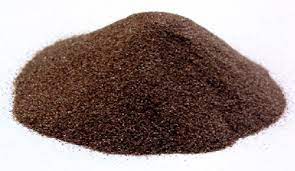
Copper/ Tin – Alloy Nanopowder
View Product →
Copper/ Tin – Alloy Nanopowder
View Product →
Copper/ Tin – Alloy Nanopowder
View Product →
Copper/ Tin – Alloy Nanopowder
View Product →Ready to Advance Your Research?
Explore our extensive range of high-purity nano alloy powders and materials to power your next innovation in material science and industrial applications.
Browse Our Catalog