The Nanotechnology Revolution in India's Quest for Clean Water
India, a nation bustling with innovation and grappling with significant environmental challenges, stands at a critical juncture in its quest for water security. The contamination of water sources by industrial effluents, agricultural runoff, and heavy metals poses a severe threat to public health and ecological balance. Traditional water treatment methods, while effective to an extent, often fall short in removing emerging micro-pollutants and prove to be energy-intensive. This is where the groundbreaking field of nanotechnology, specifically the application of nano alloys for water purification, emerges as a beacon of hope.
Nano alloys are sophisticated materials engineered at the atomic level, combining two or more metals to create structures with novel properties. Unlike their bulk counterparts, these nanotechnology alloys possess an exceptionally high surface-area-to-volume ratio, unique electronic properties, and enhanced catalytic activity. These characteristics make them incredibly potent for adsorbing, degrading, and neutralizing a wide spectrum of contaminants in water. For Indian researchers and professionals in the environmental sector, understanding the potential of nano alloy materials is not just an academic exercise; it's a pivotal step towards developing next-generation, sustainable, and cost-effective water purification systems.
The relevance of nano alloys applications extends from large-scale industrial wastewater treatment plants to decentralized, point-of-use systems for rural communities. As the nano alloys industry continues to mature, it promises to align perfectly with national missions like 'Jal Jeevan' and 'Make in India,' fostering indigenous innovation and creating a robust ecosystem for advanced material science. This article delves into the transformative potential of nano alloys, exploring their benefits, diverse applications, and the burgeoning opportunities they present for the Indian R&D landscape.
Key Advantages: Why Researchers are Turning to Nano Alloys
For the scientific community in India, the unique nano alloy properties offer a fertile ground for innovation and impactful research. Here are some of the key benefits driving their adoption:
-
Enhanced Reactivity and Efficiency
The high surface area of nano alloys dramatically increases the contact points for pollutants, leading to faster degradation and removal rates. This efficiency means smaller quantities of material are needed, reducing operational costs.
-
Broad-Spectrum Contaminant Removal
One of the most significant nano alloys advantages is their ability to tackle a diverse range of pollutants simultaneously, including heavy metals (like arsenic and lead), organic dyes, pesticides, and even microbial pathogens.
-
Tunable Properties for Specific Targets
Researchers can precisely control the composition and size of nano alloy materials during nano alloy production. This allows them to "tune" the material's properties to target specific, stubborn contaminants, opening doors for customized purification solutions.
-
Potential for Regeneration and Reusability
Many nano alloy systems can be regenerated using simple chemical or physical processes. This reusability is crucial for developing sustainable and economically viable nano alloys for water purification systems, reducing long-term waste and material costs.
Industry Applications: From Factories to Homes
Industrial Wastewater Treatment
Nano alloys are being deployed to treat complex effluents from textile, pharmaceutical, and chemical industries. Their catalytic properties help break down persistent organic pollutants (POPs) into harmless substances.
Groundwater Remediation
Injectable nano alloy suspensions, particularly those based on iron, can be used for in-situ remediation of contaminated aquifers, neutralizing toxins like chlorinated solvents and heavy metals directly at the source.
Point-of-Use (POU) Purifiers
The development of filters and membranes coated with nano alloys (like silver-copper) offers advanced antimicrobial protection, making them ideal for compact and affordable household water purifiers.
Desalination Pre-treatment
Nano alloy-based materials can be used in the pre-treatment phase of desalination to prevent biofouling on reverse osmosis membranes, enhancing the efficiency and lifespan of these critical components.
Opportunities and Trends: The Indian Nano Alloy Landscape
The landscape for nano alloys for water purification in India is ripe with opportunity. The Indian government's strong push for technological self-reliance through initiatives like 'Aatmanirbhar Bharat' provides a conducive environment for R&D in advanced materials. Research institutions like the IITs, CSIR labs, and the National Institute of Technology (NITs) are at the forefront, publishing cutting-edge studies on novel nano alloy materials for environmental applications.
A key trend is the focus on "green synthesis" for nano alloy production. Indian scientists are pioneering methods that use plant extracts and microorganisms to create nanoparticles, reducing the reliance on harsh chemicals and making the process more sustainable and cost-effective. This approach is critical for ensuring the economic viability of nanotechnology alloys for widespread use. Furthermore, there is a growing interest in bimetallic and trimetallic nano alloys (e.g., Fe-Pd, Cu-Ag, Au-Pt-Pd), which exhibit synergistic effects that lead to superior catalytic and adsorptive performance compared to single-metal nanoparticles.
The commercialization of these technologies is the next frontier. Start-ups and established companies are beginning to explore collaborations with academic institutions to translate lab-scale successes into market-ready nano alloys for water purification systems. This synergy between academia and industry is vital for tackling the challenges of scalability, quality control, and regulatory compliance, ultimately shaping the future of the nano alloys industry in India.
Frequently Asked Questions
Nano alloys are materials composed of two or more metals at the nanoscale (typically 1-100 nanometers). This unique combination and size give them enhanced properties, such as higher reactivity and larger surface area, which are not found in their bulk-sized counterparts.
Nano alloys offer several advantages: they have a higher surface-area-to-volume ratio for better contaminant adsorption, enhanced catalytic properties to degrade pollutants, and antimicrobial effects to disinfect water. This makes purification processes faster, more efficient, and capable of removing a wider range of contaminants.
Safety is a primary concern in nanotechnology. Research focuses on immobilizing nano alloys onto substrates to prevent them from leaching into the water. The regulatory landscape in India is evolving to ensure that any application of nanotechnology alloys in drinking water systems meets stringent safety and environmental standards before commercialization.
The primary challenge is cost-effective and sustainable large-scale production. While lab-scale synthesis is well-established, developing industrial processes that are economical, environmentally friendly, and produce nano alloys with consistent quality remains a key hurdle for widespread adoption in the Indian market.
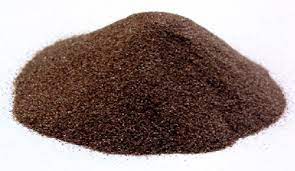
Related Nano Alloy Products
Ready to Advance Your Research?
Explore our extensive range of high-quality nano alloy materials and other nanotechnology products to fuel your next innovation. Partner with Reinste to access cutting-edge materials for your water purification projects.
Browse Our Products