An Introduction to Nano Alloys in Modern Engineering
In the relentless pursuit of stronger, lighter, and more resilient materials, material science has ventured into the infinitesimal world of nanotechnology. At the forefront of this revolution are nano alloys for structural materials, a class of materials poised to redefine the boundaries of engineering and manufacturing. Unlike traditional alloys, nano alloys are engineered at the atomic level, combining different metals into structures with dimensions under 100 nanometers. This nanoscale manipulation unlocks extraordinary properties that are simply unattainable with conventional materials.
For India, a nation undergoing rapid industrialization and infrastructural expansion, the relevance of nano alloys cannot be overstated. From constructing smarter cities and more durable bridges to developing next-generation aircraft and fuel-efficient vehicles, the nano alloy applications are vast and transformative. These advanced materials offer a direct response to the growing demand for high-performance solutions that are both sustainable and economically viable. For Indian researchers and professionals in metallurgy, civil engineering, and manufacturing, understanding and harnessing the potential of nano alloys is no longer a futuristic concept but a present-day imperative. This article delves into the core benefits, diverse applications, and emerging trends of nano alloys in construction, aerospace, and automotive sectors, providing a comprehensive guide for India's brightest minds.
Core Benefits for Researchers and Industries
The unique atomic structure of nano alloys provides a significant leap in material performance. For researchers, this opens up new avenues of innovation, while for industries, it translates into tangible competitive advantages.
-
Unprecedented Strength-to-Weight Ratio
Nano alloys can be significantly stronger than steel yet lighter than aluminum. This is a game-changer for the nano alloys for aerospace and automotive sectors, where reducing weight directly improves fuel efficiency and performance.
-
Enhanced Durability and Corrosion Resistance
The fine-grained nanostructure of these alloys creates a more uniform and less porous surface, drastically improving resistance to wear, fatigue, and environmental corrosion. This extends the lifespan of components and structures, reducing maintenance costs.
-
Superior Thermal and Electrical Properties
Many nano alloy materials exhibit improved thermal stability and conductivity. This is crucial for applications in high-temperature environments, such as engine components, and for developing more efficient electronic systems.
-
Tailorable Properties for Specific Applications
By precisely controlling the composition and particle size, researchers can fine-tune the properties of nano alloys to meet the exact demands of a specific application, enabling a level of customization previously impossible.
Key Industry Applications in the Indian Context
Nano Alloys in Construction
The use of nano alloys in construction is pivotal for developing India's next-generation infrastructure. By incorporating nano alloys into steel reinforcement bars and concrete mixtures, we can build skyscrapers, bridges, and dams that are not only stronger but also more resistant to corrosion from pollution and extreme weather. This leads to safer, longer-lasting structures and significantly lower lifecycle maintenance costs, a crucial factor for public and private sector projects alike.
Nano Alloys for Aerospace
India's growing aerospace and defense sector stands to benefit immensely from nano alloys for aerospace applications. These materials are used to manufacture lightweight airframes, high-performance turbine blades, and durable landing gear. The reduction in aircraft weight leads to substantial fuel savings and increased payload capacity. Furthermore, their superior fatigue resistance enhances the safety and reliability of both commercial and military aircraft, bolstering India's "Make in India" initiative in defense manufacturing.
Nano Alloys in Automotive
In the automotive industry, the drive for fuel efficiency and safety is paramount. Nano alloys in automotive design are used to create stronger, lighter chassis and body panels, which improve crash safety while reducing overall vehicle weight. This is especially critical for the burgeoning electric vehicle (EV) market in India, where lighter vehicles lead to longer battery range. Additionally, wear-resistant nano alloy coatings for engine and transmission parts can significantly increase the longevity and performance of vehicles.
Opportunities and Market Trends in India
The nano alloys market trends in India are pointing towards exponential growth. Fueled by government initiatives like 'Make in India' and significant investments in R&D, the demand for advanced materials is at an all-time high. Indian research institutions and private sector players are increasingly focusing on developing cost-effective manufacturing processes for nano alloys, which will be key to their widespread adoption. The market is witnessing a surge in demand for nano alloys for structural materials applications across various domains, from renewable energy (e.g., stronger wind turbine blades) to advanced biomedical implants.
A key opportunity lies in creating a domestic supply chain for these strategic materials, reducing reliance on imports and fostering indigenous innovation. As the cost of production decreases and awareness of the benefits of nano alloys grows, we can expect to see them integrated into an even wider array of products. For Indian professionals, this translates into a growing demand for skilled metallurgists, material scientists, and engineers who can design, test, and implement these next-generation nano alloy materials.
Frequently Asked Questions
Related Products
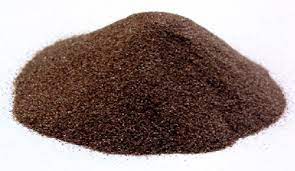
Copper/ Tin – Alloy Nanopowder
Ready to Innovate with Nano Alloys?
Explore our extensive range of high-purity nano alloy powders and materials. Partner with Reinste to fuel your research and development projects today.
Browse Our Catalog