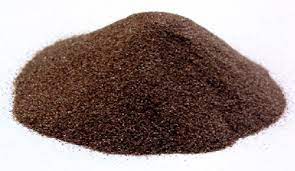
An Introduction to Nano Alloys in the Indian Context
In the rapidly evolving landscape of materials science, India is making significant strides, and at the forefront of this revolution are nano alloys. These are not just incrementally better materials; they represent a quantum leap in performance and potential. A nano alloy is a meticulously engineered material composed of two or more metals at the nanoscale (typically with particles smaller than 100 nanometers). At this incredibly small scale, the fundamental properties of materials change, allowing scientists and engineers to create nanotechnology alloys with characteristics that are simply unachievable with conventional bulk materials.
For Indian researchers and professionals, the emergence of nano alloy materials is a game-changer. It aligns perfectly with national initiatives like "Make in India" and "Aatmanirbhar Bharat," which call for indigenous development of high-performance materials to reduce import dependency and boost domestic manufacturing. The unique properties of these alloys—such as superior strength-to-weight ratios, enhanced catalytic activity, and novel magnetic and optical properties—are opening doors to innovation across a multitude of sectors. From aerospace and defense to healthcare and environmental remediation, the uses of nano alloys are as diverse as they are impactful. This article delves into the world of nano alloys, exploring their benefits, key applications in Indian industry, and the promising trends shaping their future.
Key Benefits for Researchers and Innovators
For the Indian R&D community, working with nano alloys offers a distinct competitive advantage. The exploration of these materials provides numerous benefits that can accelerate innovation and lead to groundbreaking discoveries.
-
Unprecedented Material Properties
Nano alloys exhibit enhanced mechanical strength, hardness, and ductility. Their high surface-area-to-volume ratio makes them exceptional catalysts, a critical factor for the chemical and energy industries. These unique nano alloys properties empower researchers to solve long-standing engineering challenges.
-
Miniaturization and Efficiency
The development of smaller, lighter, and more efficient components is a primary goal in electronics and aerospace. Nano metal alloys enable the creation of miniaturized sensors, powerful microchips, and lightweight structural components for satellites and aircraft, directly contributing to performance and fuel efficiency.
-
Pioneering New Research Fields
The study of nano alloy materials is a fertile ground for fundamental research. It opens up new avenues in quantum mechanics, surface science, and materials engineering, offering Indian scientists the opportunity to publish high-impact papers and secure international patents.
-
Sustainable and Green Applications
One of the most exciting nano alloys benefits is their role in sustainability. They are instrumental in developing more efficient solar cells, next-generation batteries, and powerful catalysts for pollution control, including breaking down harmful industrial effluents and vehicle emissions.
Transformative Nano Alloys Applications in Indian Industries
Environmental & Pollution Control
A critical area where nano alloys used in air pollution control are making a difference is in catalytic converters for vehicles and industrial chimneys. Platinum-rhodium nano alloys, for instance, offer superior efficiency in converting toxic gases like NOx, CO, and hydrocarbons into harmless substances. Furthermore, bimetallic nano alloys are being researched in India for water purification, effectively removing heavy metals and organic pollutants from industrial wastewater.
Aerospace & Defense
The quest for lighter and stronger materials is paramount in aerospace. Aluminum-based nano alloys, reinforced with nanoparticles, are being developed for aircraft fuselages and components, offering significant weight reduction without compromising strength. This translates to better fuel efficiency and higher payload capacity for both commercial and defense aircraft, a key focus for organizations like ISRO and DRDO.
Healthcare & Biomedical
The uses of nano alloys in medicine are revolutionary. Gold-silver nano alloys are used in diagnostic tools for their unique optical properties, enabling ultra-sensitive disease detection. Magnetic nano alloys are being explored for targeted drug delivery, where they can guide medication directly to cancer cells, minimizing side effects. They are also used in antimicrobial coatings for medical implants, reducing the risk of infections.
Electronics & Energy Storage
In electronics, nano metal alloys are crucial for creating smaller, faster, and more powerful components. Copper-tin alloy nanopowders can be used in manufacturing high-density data storage devices and as interconnects in integrated circuits. In the energy sector, lithium-based nano alloys are enhancing the capacity and charging speed of batteries for electric vehicles and portable electronics, a vital industry for India's future.
India-Specific Opportunities and Future Trends
The landscape for nanotechnology alloys in India is brimming with opportunities. The Indian government, through its Nano Mission program, has been actively funding R&D in this domain, fostering a robust ecosystem of academic institutions and startups. A key trend is the increasing collaboration between premier institutes like the IITs and IISc with private industries to translate laboratory research into commercially viable products. The nano alloys manufacturing sector in India is poised for growth, driven by demand from the automotive, electronics, and healthcare industries.
We are witnessing a shift towards "green synthesis" of nano alloy materials, where researchers use plant extracts and microorganisms to create nanoparticles, reducing the environmental footprint of the manufacturing process. This sustainable approach is particularly relevant in the Indian context. Looking ahead, the integration of AI and machine learning with materials science will accelerate the discovery of new nano alloys with tailored properties. This data-driven approach will allow Indian scientists to design novel materials for specific nano alloys applications, such as next-generation sensors for smart cities or highly efficient catalysts for the hydrogen economy, solidifying India's position as a global leader in advanced materials.
Frequently Asked Questions
Nano alloys are advanced materials created by combining two or more metallic elements at the nanoscale (typically 1-100 nanometers). This unique combination results in materials with superior properties—such as increased strength, enhanced catalytic activity, and improved electrical conductivity—compared to their bulk counterparts.
Nano alloys manufacturing involves sophisticated techniques like inert gas condensation, chemical vapor deposition (CVD), sputtering, and sol-gel methods. These processes allow for precise control over particle size, composition, and structure, which are critical for achieving the desired properties of the nanotechnology alloys.
The environmental impact of nano alloys is an active area of research. While they offer significant benefits, such as in pollution control, responsible handling and disposal are crucial. Indian research institutions are focused on 'green synthesis' methods to create nano materials that are more sustainable and environmentally friendly.
The future is incredibly promising. With government initiatives like 'Make in India' and a growing focus on high-tech manufacturing, nano alloys are set to become central to advancements in aerospace, defense, healthcare, and renewable energy sectors across the country. We expect to see a surge in domestic nano alloy materials production and application.