
The Dawn of a New Era for India's Leather Industry
The Indian leather industry, a cornerstone of our nation's economy with major hubs in Kanpur, Ambur, and Chennai, stands at a critical juncture. While celebrated for its craftsmanship, it faces immense pressure to adopt sustainable practices. The environmental impact of traditional tanning, particularly water pollution from chromium and other effluents, poses a significant threat. Simultaneously, global demand is shifting towards eco-friendly and high-performance materials. This is where the world of nanotechnology, specifically nanostructured materials in leather, offers a beacon of hope.
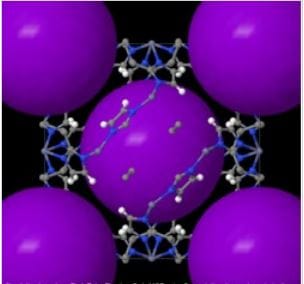
Enter Metal-Organic Frameworks (MOFs), a groundbreaking class of materials poised to revolutionize the industry. MOFs are not just another chemical additive; they are highly engineered, crystalline structures with unprecedented porosity and surface area. Imagine a material the size of a sugar cube with an internal surface area that could cover a football field—that's the power of MOFs for the leather industry. This unique characteristic allows them to capture pollutants, store gases, and act as catalysts with remarkable efficiency. For Indian researchers and professionals in materials science and leather technology, MOFs represent a fertile ground for innovation, aligning perfectly with national goals like the 'Make in India' initiative and the drive for a circular economy.
Why Should Indian Researchers Focus on MOFs?
The exploration of MOF applications in the leather industry research offers a wealth of opportunities for the Indian scientific community. The chemical properties of MOFs open doors to solving long-standing industrial challenges. Key benefits for researchers include:
- Pioneering Green Solutions: Develop novel methods for tannery wastewater remediation, directly addressing one of India's most pressing environmental concerns and contributing to sustainable leather production.
- Creating High-Value Materials: Engineer leathers with enhanced functionalities like antimicrobial, UV-resistant, or self-healing properties, creating new markets and increasing the value of Indian leather goods.
- Interdisciplinary Research: MOFs bridge chemistry, materials science, and environmental engineering, fostering collaboration between research institutions and industry.
- High-Impact Publications: Research into innovations in leather using MOFs is a hot topic globally, offering opportunities for high-impact publications and patents.
- Versatility and Tunability: The modular nature of MOFs allows for near-infinite structural variations. Researchers can synthesize custom MOFs tailored for specific challenges, from targeting specific pollutants to acting as carriers for eco-friendly tanning agents.
Key Applications of MOFs in the Leather Sector
The theoretical benefits of MOFs translate into tangible, game-changing applications across the leather production lifecycle. Here’s how these advanced materials are making a difference:
Advanced Wastewater Treatment
This is the most promising application of MOFs in leather applications. Tannery effluent is a toxic cocktail of chromium, sulfides, and organic dyes. MOFs like ZIF-8 and Cu-BTC can act as highly effective adsorbents, selectively capturing these pollutants with their vast network of pores, thus purifying the water for reuse or safe discharge.
Eco-Efficient Tanning & Re-tanning
MOFs can be used as nanocarriers for tanning agents. By encapsulating tanning molecules, MOFs ensure a more controlled and uniform penetration into the collagen matrix of the hide. This leads to reduced chemical consumption, lower processing times, and a significant decrease in chemical waste.
Functional Finishing for Smart Leathers
The field of nanotechnology in leather shines in the finishing stage. By incorporating specific MOFs into the final coating, it's possible to create 'smart leathers' with properties like enhanced flame retardancy, antibacterial surfaces (crucial for products like shoes and upholstery), and even the ability to adsorb volatile organic compounds (VOCs) from the air.
Gas Capture and Odor Control
Leather processing can release unpleasant odors and harmful gases like hydrogen sulfide. MOFs, known for their exceptional gas storage capabilities, can be deployed in processing facilities to capture these emissions at the source, improving worker safety and reducing the environmental footprint of tanneries.
India-Specific Trends and Opportunities
The push for sustainable leather production in India is not just an environmental mandate; it's an economic imperative. The global market is increasingly rewarding brands that can demonstrate a clean and green supply chain. For Indian tanneries, adopting technologies like MOFs is a direct pathway to gaining a competitive edge. The government's focus on technological self-reliance provides a fertile ground for domestic R&D and manufacturing of these advanced materials.
Research institutions across the country are already exploring the potential of various nanostructured materials in leather. The opportunity now lies in creating a robust ecosystem that connects these research labs with the tanneries on the ground. Pilot projects in industrial clusters like Kanpur could provide invaluable data on the scalability and economic viability of MOF applications in chemistry and leather processing. This is a chance for India to not just be a follower in this technological wave, but a leader, developing proprietary MOF-based solutions tailored to our unique industrial landscape.