
The Dawn of a Material Revolution in Textiles
Imagine a T-shirt that monitors your heart rate, a jacket that charges your phone, or a uniform that detects harmful chemicals in the air. This isn't science fiction; it's the near future being woven into reality with graphene textiles. For centuries, India has been a global leader in the textile industry, known for its rich history and craftsmanship. Today, as the world enters the era of Industry 4.0, a new revolution is underway—one at the atomic scale. Graphene, the one-atom-thick 'wonder material', is being integrated with fabrics to create **smart fabrics** and **conductive textiles**, unlocking unprecedented possibilities for **wearable technology**.
For Indian researchers, entrepreneurs, and established industrial players, the emergence of **graphene textiles** represents a monumental opportunity. It's a chance to leapfrog traditional manufacturing and pioneer a new category of high-value products. These **electronic clothing** items are not just about novelty; they promise to solve real-world problems in healthcare, defense, athletics, and everyday life. This article delves into the transformative world of graphene-infused textiles, exploring the core benefits, diverse applications, and the specific trends and opportunities that position India at the forefront of this exciting field of **textile innovation**.
Why Graphene is a Game-Changer for Researchers and Innovators
For material scientists and R&D professionals in India, graphene isn't just another additive. It's a foundational platform for creating textiles with programmable, intelligent properties. Here’s why it’s capturing the imagination of researchers:
-
Unmatched Electrical and Thermal Conductivity
Graphene's superior conductivity allows for the creation of **fabric sensors** and flexible circuits without cumbersome wires. This enables the development of **wearable devices** that are truly integrated into the garment, offering comfort and functionality for applications ranging from ECG monitoring to personal heating systems.
-
Extreme Strength and Flexibility
Despite being one atom thick, graphene is over 200 times stronger than steel. When integrated into textiles, it enhances durability, tear resistance, and longevity without compromising the fabric's natural flexibility. This opens doors for robust **flexible electronics** that can withstand the rigors of daily wear and washing.
-
Barrier and Antibacterial Properties
Graphene's atomic structure creates an impermeable barrier to many gases and liquids. Furthermore, it exhibits natural antibacterial and antiviral properties. This is invaluable for creating medical textiles that prevent infection, military uniforms that protect against chemical agents, and sportswear that remains odor-free.
-
Lightweight and Transparent
The minimal mass of graphene ensures that **graphene clothing** remains lightweight and comfortable. Its transparency allows it to be coated onto fabrics without significantly altering their color or appearance, preserving the aesthetic appeal while adding smart functionality.
From Lab to Life: Industry Applications of Graphene Textiles
Healthcare and Medical Monitoring
This is perhaps the most impactful application. Graphene-based **fabric sensors** woven into hospital gowns or everyday apparel can continuously monitor vital signs like heart rate (ECG), respiration, and body temperature. This data can be transmitted wirelessly to a doctor or smartphone, enabling remote patient monitoring and early detection of health issues. The antibacterial properties also lead to smarter, more hygienic wound dressings and medical garments.
Defence and Aerospace
For soldiers, **graphene-infused textiles** can offer a multi-functional advantage. These uniforms can be lighter yet stronger, with integrated sensors to detect biochemical threats. The material's thermal properties can provide better camouflage by adapting the soldier's heat signature. Furthermore, its conductivity can be used for integrated communication systems, reducing the need for bulky external equipment.
Athletics and Sportswear
Athletes can gain a competitive edge with **graphene clothing**. The material's excellent thermal regulation helps dissipate heat and sweat, keeping the athlete cool and dry. Integrated biomechanical sensors can track muscle movement, posture, and performance, providing real-time feedback to improve technique and prevent injury. The result is sportswear that is not just worn, but actively participates in the athlete's performance.
Fashion and Consumer Electronics
The world of **electronic clothing** is merging fashion with function. Imagine a jacket with integrated heating elements powered by a small battery pack, controlled via a smartphone app. Or fabrics with embedded LEDs that can change color or display patterns. Graphene makes these concepts sleek and viable, turning clothing into a new interface for personal expression and convenience.
The Indian Advantage: Seizing the Graphene Textile Opportunity
India is uniquely positioned to become a global hub for **graphene-infused textiles for wearable technology**. The convergence of a dominant textile manufacturing base and a burgeoning tech ecosystem creates a powerful synergy. The Indian government's "National Technical Textiles Mission" is a clear signal of intent, aiming to boost R&D and manufacturing of high-performance fabrics. This is where **smart fabrics** and **conductive textiles** fit perfectly.
For Indian researchers, the challenge lies in developing scalable and cost-effective methods for integrating graphene into traditional Indian fabrics like cotton and silk, creating unique, high-value products. Startups can focus on niche applications, such as developing affordable health monitoring garments for India's vast population or creating durable, smart uniforms for industrial workers. The key will be to bridge the gap between material science labs and the factory floor. Access to consistent, high-quality graphene materials, like those available through platforms such as Hiyka, is the critical first step in this value chain. By focusing on **textile innovation**, India can not only meet domestic demand for **wearable devices** but also become a key exporter of next-generation **graphene clothing**.
Frequently Asked Questions
Graphene textiles are fabrics that have been integrated with graphene, a single layer of carbon atoms arranged in a honeycomb lattice. This integration can be achieved through coating, dyeing, or weaving graphene-based yarns. The result is a 'smart fabric' that possesses enhanced properties such as electrical conductivity, thermal regulation, durability, and antibacterial capabilities, making it ideal for wearable technology.
There are several methods. Graphene oxide can be used to create a dispersion that coats individual fibers. Graphene nanoplatelets can be mixed into a polymer melt before it's extruded into a fiber. Another advanced method involves creating composite yarns where graphene is an integral part of the fiber itself. Each method offers different levels of durability and conductivity, tailored for specific applications like fabric sensors or heated clothing.
Graphene's unique combination of properties makes it perfect for wearables. It is incredibly strong yet flexible, transparent, and is the most conductive material known. This allows it to create circuits, sensors, and heating elements directly on fabric without bulky wires. Its high thermal conductivity helps regulate body temperature, and its antibacterial nature improves hygiene in activewear and medical textiles.
Yes, when processed correctly. Reputable manufacturers ensure that graphene is securely bonded to the textile fibers, minimizing the risk of particle shedding. The forms of graphene used, such as graphene oxide, are widely studied for biocompatibility. For Indian researchers and manufacturers, adhering to international safety standards and conducting rigorous testing is crucial for consumer trust and regulatory approval.
India's textile industry, combined with its growing prowess in material science, creates a fertile ground for graphene textiles. While still in a nascent stage compared to global leaders, several Indian startups and research institutions are actively developing graphene-based textile solutions. The 'Make in India' initiative and a focus on technical textiles provide significant government support, pointing towards rapid growth in this sector.
Sourcing high-quality, application-specific graphene is key. Companies like Reinste and its marketplace, Hiyka, provide Indian researchers and industries with access to various forms of graphene, including graphene oxide dispersions and conductive slurries, which are ideal for developing advanced conductive textiles and smart fabrics.
Start Your Innovation with High-Quality Graphene Materials

Graphene Conductive Slurry: Advanced Solutions for Enhanced Conductivity
View Product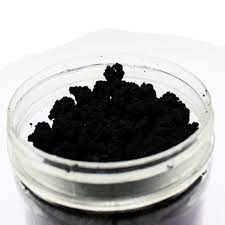
Electrical and Thermal Conductive Graphene
View Product
Graphene – Nanoplatelets, dry (8-25nm)
View Product
Graphene Oxide, aq. Dispersion
View ProductReady to Innovate with Graphene?
The future of textiles is intelligent, functional, and conductive. Whether you are a researcher, an entrepreneur, or an industry leader in India, the time to explore the potential of graphene is now. Connect with us to source the right materials for your project.
Contact Us