
The Invisible Revolution: How Graphene Fabrics Are Weaving the Future of Military Camouflage and Stealth Technology
Discover how the world's strongest material is creating next-generation smart textiles that can make soldiers virtually undetectable, revolutionizing defense capabilities in India and beyond.
Explore NowThe Dawn of a New Era in Military Textiles
In the high-stakes theatre of modern warfare, the difference between being seen and being invisible is the difference between mission success and failure. For decades, camouflage has been a passive art of patterns and colors designed to blend into specific environments. But what if a soldier's uniform could actively adapt to its surroundings? What if it could manipulate heat, block thermal sensors, and become a part of an integrated, intelligent defense system? This is not science fiction; it is the reality being engineered today with graphene fabrics.
For India's burgeoning R&D sector and its ambitious defense modernization programs, the advent of smart textiles powered by graphene represents a monumental leap. Graphene, a single layer of carbon atoms arranged in a honeycomb lattice, is a material of superlatives: stronger than steel, lighter than paper, and more conductive than copper. When integrated into textiles, it unlocks capabilities previously thought impossible, paving the way for advanced camouflage technology and unprecedented soldier survivability. This article delves into the transformative potential of graphene-infused textiles for military applications, exploring the science, the benefits, and the immense opportunities for Indian researchers and defense industries.
Why Graphene is a Game-Changer for Researchers
For materials scientists and defense researchers in India, graphene isn't just another material. It's a versatile platform for innovation. Here are the key benefits driving its adoption in military textiles:
-
Unmatched Strength-to-Weight Ratio
Graphene can be used to create composites that significantly reinforce fabrics against tearing and abrasion without adding bulk. This leads to lighter, more durable body armor and gear, reducing soldier fatigue and enhancing mobility.
-
Superior Thermal Regulation and Signature Management
Graphene's exceptional thermal conductivity allows it to dissipate body heat efficiently. This not only keeps soldiers comfortable in extreme climates but is the cornerstone of thermal regulation for stealth. By controlling the fabric's emissivity, a uniform can mask a soldier's heat signature, making them nearly invisible to thermal imaging devices—a critical aspect of modern stealth technology.
-
Electrical Conductivity for Smart Systems
By weaving graphene yarns into fabric, the entire uniform can become a conductive network. This enables the integration of sensors, communication devices, and health monitoring systems directly into the clothing, creating truly adaptive clothing without cumbersome wires.
-
Advanced Material Protection
Graphene coatings can make textiles impermeable to chemical and biological agents, providing an essential layer of protection. Furthermore, its anti-corrosion properties, when applied to equipment, extend the life of critical defense materials.
From Lab to Battlefield: Key Applications
Adaptive Camouflage
This is the holy grail of camouflage technology. By applying an electrical charge to graphene pixels woven into the fabric, the material's color and thermal properties can be altered in real-time. A soldier could move from a forest to a desert, and their uniform would dynamically adapt its pattern and thermal signature to match the new environment, providing seamless concealment.
Thermal Signature Cloaking
Even with visual camouflage, a soldier is exposed to thermal sensors. Graphene fabrics can actively cool or heat small sections of the uniform to break up the human silhouette on a thermal camera. This form of thermal regulation is a critical component of next-generation stealth technology, rendering soldiers invisible to one of the enemy's most potent detection tools.
Integrated Soldier Systems
Imagine a uniform that powers its own communication gear, monitors vital signs, and detects chemical threats. The conductivity of graphene fabrics makes this possible. It acts as a lightweight, flexible wiring system, turning the soldier's clothing into a central hub for all their electronic devices, enhancing situational awareness and safety.
Lightweight Ballistic Protection
While graphene alone cannot stop a bullet, its incredible tensile strength makes it a phenomenal reinforcement material for polymers like Kevlar. By infusing ballistic fibers with graphene, researchers can create armor plates that are significantly lighter and thinner yet offer superior protection, a key goal in military innovation.
The Indian Context: Opportunities and Future Trends
India's focus on self-reliance in defense manufacturing, under the 'Make in India' initiative, creates a fertile ground for military innovation. The development of graphene-infused textiles aligns perfectly with this vision. The Defence Research and Development Organisation (DRDO) and various IITs are already pioneering research in advanced materials, including graphene.
The key trend is the shift from passive to active defense systems. Adaptive clothing is no longer a futuristic concept but an active area of development. For Indian companies and researchers, the opportunity lies in mastering the production of high-quality graphene and developing scalable methods for its integration into textiles. Sourcing foundational materials like enhancement type graphene and graphene coatings from domestic suppliers like Hiyka can accelerate this R&D cycle, reducing dependency on imports and fostering a local ecosystem for advanced defense materials. The demand for better soldier protection and enhanced stealth capabilities will continue to drive investment and research in smart textiles, making it one of the most promising fields in Indian defense technology.
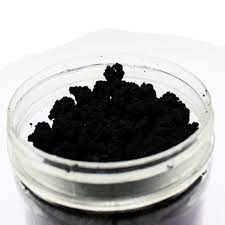
Relevant Graphene Materials for R&D


Frequently Asked Questions
Graphene's unique combination of properties makes it ideal for military applications. It is incredibly strong yet lightweight, highly conductive (for both heat and electricity), and transparent. These attributes allow for the creation of durable, lightweight armor, advanced thermal camouflage, and integrated smart textile systems without adding significant weight.
Graphene contributes to stealth in two primary ways: thermal and electronic camouflage. Its exceptional thermal conductivity allows it to dissipate a soldier's body heat, matching the ambient temperature and making them less visible to thermal imaging cameras. Additionally, its electrical properties can be used to absorb or scatter radar signals, reducing the soldier's electronic signature.
While full-fledged adaptive camouflage suits are still in advanced R&D stages, the foundational materials like graphene powders, coatings, and masterbatches are commercially available in India. Companies like Reinste and Hiyka provide these advanced materials, enabling research institutions and defense contractors to develop next-generation prototypes.
The primary challenge is scaling up production to create large, uniform sheets of high-quality graphene fabric at a cost-effective price point. Integrating these materials seamlessly into existing textile manufacturing processes without compromising their properties is another significant hurdle that researchers are actively working to overcome.
Ready to Innovate with Graphene?
Connect with our experts to source high-purity graphene materials for your research and development projects. Let's build the future of defense technology together.
Contact Us